









If your herb grinder suddenly sticks, turns stiffly or no longer works evenly, this is often due to sticky residue on the teeth, threads and in the gaps. Over time, fine plant particles and resin build up there. Anyone wanting to clean their grinder should pay attention not only to thoroughness but also to the material: metal, wood and plastic react differently to water, alcohol, brushing or heat.
This guide is exclusively about the gentle cleaning and care of accessories, in other words how to keep your grinder hygienic, functional and gentle on the material.
Cleaning a Grinder: The Quick Method
If you want to clean your grinder, it's best to proceed calmly and gently on the material: first take the grinder apart into all its moving parts. Tap it out carefully and remove dry plant residue with a brush or a soft toothbrush. This already loosens a lot of residue without needing to reach for water or cleaning agents.
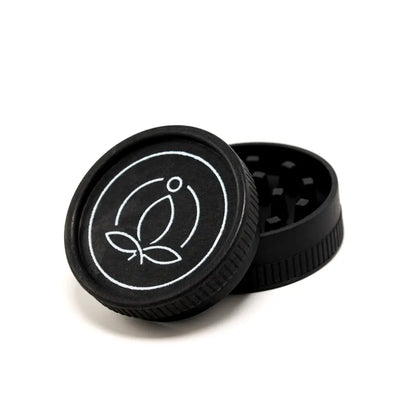
After that, the method depends on the material. You can usually clean a metal grinder more thoroughly, while wood reacts sensitively to moisture and plastic should not be treated with aggressive agents. So always check what your grinder is made of before soaking or wiping it. Our Cannabis Grinder is two-piece and opens with just a few moves, which makes dry cleaning easy.
After cleaning, it's important to let your grinder dry completely before putting it back together. Moisture can encourage odours, discolouration or, with some materials, damage.
What Tools You Need
Usually simple, gentle tools are enough: a fine brush, a soft toothbrush, cotton swabs for grooves and threads, and, for suitable materials, some warm water. A mild washing-up liquid can help, but should be used sparingly and only if it suits the material. Work carefully so the teeth, screen and coating aren't damaged.
Cleaning with Household Remedies: What Really Works
When cleaning with household remedies, material compatibility matters most. For metal, warm water with a little mild washing-up liquid can be suitable, while wood should only be wiped lightly damp. Plastic, depending on quality, can be sensitive to heat or aggressive agents. A dry, mechanical method is often better: loosen crumbs, remove residue with a soft brush and clean corners with a cotton swab.
Why Boiling in Milk Is Not a Care Method
Boiling in milk is sometimes mentioned as a trick, but it is not a sensible care method. Milk can pick up odour, leave residue and become hygienically problematic if parts aren't completely clean and dry. Boiling itself can also damage plastic, seals or coatings. It's safer to regularly brush accessories dry and, if needed, clean them with warm water appropriate to the material.

Preparing and Disassembling the Grinder
Before cleaning your grinder, it should be completely empty. Tap it out lightly and remove coarse residue dry, for example with a soft brush or a small wooden stick. Then carefully take the grinder apart and lay all the parts side by side on a clean cloth. This immediately shows you where deposits have built up. Don't force stuck areas apart, as this can damage teeth, edges or fine connections.
Checking the Screen, Thread and Individual Parts
Check the individual parts closely before wet cleaning. The screen and thread are particularly sensitive: don't scrape the screen and don't press hard, so it doesn't bend. Sticky residue often sits on the thread, which you can carefully loosen dry. Moisture shouldn't be left standing there, as metal can otherwise tarnish and wood or plastic can swell.
Cleaning Metal Models
With metal, it's best to start dry: brush out the teeth, chambers and screen with a soft brush or toothbrush. If resin is stuck more firmly, you can soak the parts in warm water for a few minutes and then rinse thoroughly. Stainless steel generally tolerates moisture better, while anodised aluminium is sensitive to strongly alkaline cleaners, as these attack the protective oxide layer. Afterwards, dry everything completely before putting the grinder back together.
Cleaning a Grinder with Isopropyl Alcohol
Isopropyl alcohol dissolves sticky resin deposits well, but is only suitable for appropriate metal parts. It has no place on wood, lacquered surfaces or sensitive plastics. Isopropyl alcohol is highly flammable and dries out the skin with prolonged contact. So work sparingly, with good ventilation, away from open flames, and ideally with gloves. Afterwards, rinse off loosened residue with water and let the parts dry openly and completely.
Carefully Cleaning Oxidised Metal
Treat matte spots or slight oxidation carefully rather than scrubbing hard. A soft cloth and a little warm water are often enough. If the thread, teeth or coating are damaged and the grinder no longer closes cleanly, replacing it is better than further cleaning.

Cleaning Plastic and Acrylic Models
Plastic and acrylic can scratch more easily, absorb odours or deform from heat. Aggressive solvents such as acetone, high-proof alcohol or harsh cleaners are therefore unsuitable. First remove loose residue dry with a soft brush. Stubborn residue can then be loosened with warm water and a little mild washing-up liquid. Only soak the parts briefly, don't use boiling water, and rinse everything thoroughly. Acrylic in particular easily turns matte if you use hard brushes or rough sponges.
Caring for Wooden Models
A wooden grinder needs more restraint than models made of metal or plastic. Wood absorbs moisture, swelling as it does so and shrinking again as it dries, which can cause warping and fine cracks. So clean a wooden grinder as dry as possible: tap out loose plant residue, remove deposits with a soft brush, and work thoroughly but without pressure on the teeth.
Use water only very sparingly, if sticky residue can't be loosened any other way. Dampen a cloth lightly and briefly wipe the spots, instead of soaking the grinder. Dry the surfaces immediately afterwards and let everything air-dry further before putting it back together.
How Often Should You Clean It?
A quick dry clean with the brush is worthwhile after frequent use, so resin doesn't build up in the first place. A thorough clean with water or, for metal, with isopropyl alcohol makes sense roughly every few weeks, or whenever the grinder becomes stiff. Anyone wanting to give accessories as a gift will find more ideas around grinders and storage in our guide on gifts for stoners.
What to Look for When Buying a Grinder
If you want to get a new grinder, don't just look at the size. What matters is a smoothly running thread, precisely fitting parts, and a design that can be fully disassembled. This gives you good access to edges, teeth and chambers. A metal grinder is sturdy and can be cleaned thoroughly, a wooden grinder needs more care, and a plastic grinder is light but wears out faster. What makes a good flower before grinding is explained in our article What Are CBD Flowers.
Conclusion: Care According to Material
If you look after your grinder regularly, it stays smooth-running and hygienic. Always adapt the method to the material: metal tolerates a more thorough clean, wood should be treated dry and gently, and plastic should never be cleaned with aggressive agents. After cleaning, everything must dry completely before you put the grinder back together.
Note: This guide describes exclusively the cleaning and care of accessories. It contains no consumption or usage recommendations. Accessories and CBD products are sold only to adults aged 18 and over. As of: September 2026.


