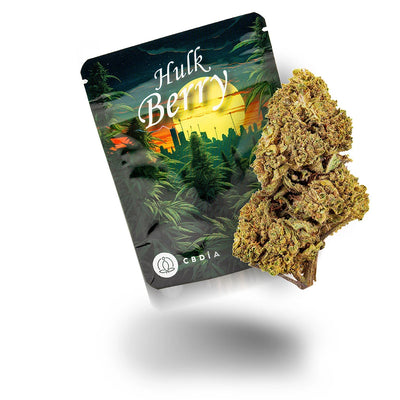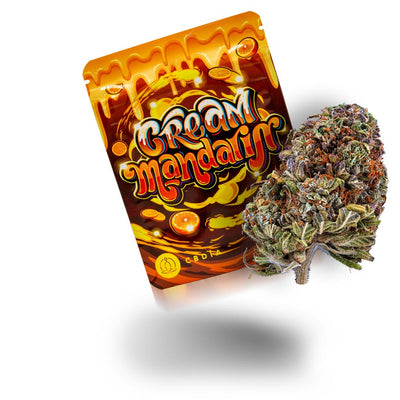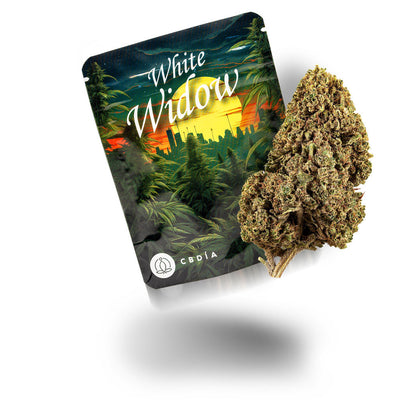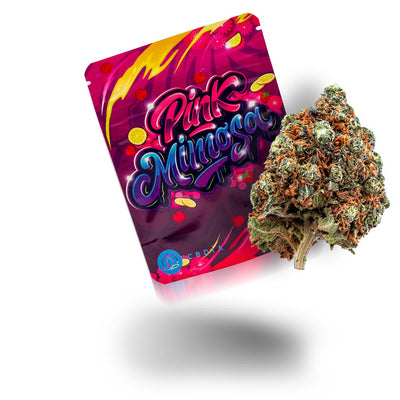


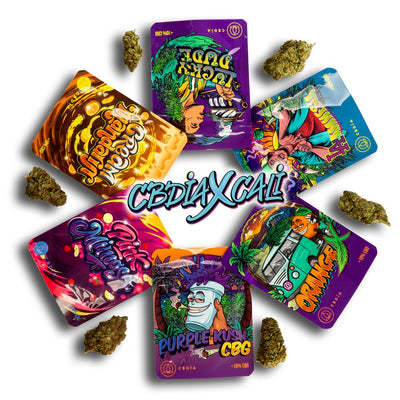
If you are wondering exactly what CBD flowers are, here is an objective explanation: CBD flowers are the dried flowers of the hemp plant, in which the ingredient CBD is the main focus. A single CBD flower consists of plant material such as calyxes, resin glands and natural aromatic compounds. This guide explains CBD flowers, from structure and origin to legal basics and characteristics that help you assess quality better.
It is also important to note: CBD flowers are not a product for minors; sale is only to adults aged 18 and over. This will help you understand what CBD, flowers and their origin are fundamentally about.
What are CBD flowers? Definition
If you are asking yourself: what are CBD flowers?, the short answer is: they are dried flowers of the hemp plant that come from approved hemp and naturally contain cannabidiol. Cannabidiol is usually abbreviated as CBD. CBD flowers are therefore not a separate kind of plant material, but the flowers of certain hemp varieties with a correspondingly high CBD content.
You can see examples with a lab certificate and origin per batch under buy CBD flowers 25g.
Explaining CBD flowers also means clearly separating the terms: CBD is the individual ingredient, cannabidiol its full name. CBD hemp flowers or CBD flowers, on the other hand, refer to the plant product, meaning the harvested and dried flowers. Also important is the difference to THC: the THC content of such flowers is a maximum of 0.3 per cent.
What exactly are they made of?
Cannabidiol, cannabinoids and terpenes
When explaining CBD flowers, the starting point is the dried plant material of the female hemp plant. It contains CBD, written out as cannabidiol, which is one of the cannabinoids. Besides CBD, other cannabinoids can occur in small amounts; their exact composition depends on genetics, cultivation and processing. Terpenes are also a defining factor. These plant aromatic compounds help determine whether CBD hemp flowers smell more earthy, spicy, fresh or slightly fruity. Moisture also plays a role, because flowers that are too dry or too moist can affect structure, storability and smell.

Aroma, smell and varieties
The aroma of a CBD flower does not arise by chance. Different varieties bring different terpene profiles, flower structures and colour nuances. Some flowers appear more compact, others looser; resin coverage, stem content and trim can also vary. The smell ranges, depending on variety and origin, from mildly herbal to intensely spicy. Besides genetics, growing method, harvest time, drying and storage also have an influence. CBD flowers from controlled cultivation are therefore often described by their variety, cannabinoid profile and sensory characteristics. For an objective assessment, it is crucial that a flower always remains a natural product: composition, moisture and scent can vary slightly even among similar varieties.
What is the difference to THC-containing cannabis?
When explaining CBD flowers, the distinction from cannabis in everyday usage is important. CBD flowers usually come from hemp and contain mainly CBD, while cannabis is often associated with varieties that have a higher THC content. What matters here is not a promise of experience, but the analytical classification: THC is the substance associated with a psychoactive effect. CBD flowers, by contrast, are designed for a low THC content and thereby differ clearly from many other cannabis products.
How do the varieties differ from one another?
CBD flowers are not all the same. Differences arise from variety, growing method, processing and the specific structure of the flowers. The origin of CBD flowers also plays a role, because climate, soil, harvest time and drying can influence quality. Besides CBD content, terpenes shape the natural plant profile and thus the smell and variety-typical characteristics.
What role does THC content play?
THC content is a key criterion for distinguishing CBD flowers from THC-rich cannabis; what THC is is explained in a separate article. For hemp, the limit of 0.3 per cent is often cited; it serves as a legal and analytical reference point. Products with a correspondingly low THC content can be classified differently from cannabis with a higher THC value. However, whether a product is legal always depends on the applicable requirements and the specific product form. Reputable claims are therefore based on lab analyses in which CBD, THC and other plant components are transparently stated.
What is the legal situation in Germany?
Whether CBD flowers are legal in Germany depends mainly on origin, variety and THC content. As a basic legal orientation: CBD flowers should come from approved hemp, ideally from varieties from the EU variety catalogue, and their origin must be documented in a traceable way. In addition, the THC content may be a maximum of 0.3 per cent.

If you are wondering what CBD flowers are in a legal sense, it is not just about the plant itself, but also about analysis certificates, batch information and a clear origin of the CBD flowers. As a CBD shop comparison shows, reputable providers state the THC content and, in Germany, only sell products intended to meet the requirements. In Germany, sale is usually only to adults aged 18 and over. Nonetheless, this overview does not replace legal advice, because regulations can change and may be assessed differently depending on the product. In Austria, too, partly different rules apply; you should inform yourself separately there before buying or carrying CBD flowers.
How can you recognise quality when buying?
If you want to buy CBD flowers, a sober look at verifiable information helps you. Quality is not shown by big promises, but by documents, origin, smell, structure and complete product information. High-quality flowers are cleanly described, assigned to a batch, and show which hemp they were obtained from; this also applies if you want to buy CBD flowers cheaply.
Lab certificate per batch
A current lab certificate per batch is an important check before you should buy CBD flowers. It shows which values were actually measured, rather than just repeating generic information from the packaging. Particularly relevant are the cannabinoid profile, the CBD value, the THC content and notes on purity, for example regarding residues or contaminants. The information should match the specific batch and not just apply generally to a variety. This helps you better assess quality, find the best CBD flowers, and recognise whether a single CBD flower matches the published data.
Origin, country and growing method
The origin of CBD flowers should be clearly stated: which country do the flowers come from, which growing method was used, and is it approved hemp? Reputable product information ideally states the reference to the EU variety catalogue and makes it transparent whether the plants were grown indoors, in a greenhouse or outdoors. Indoor is just one possible method here and not an automatic promise of quality. If you want to buy CBD flowers, a traceable origin is a strong signal of quality, because it makes it easier to ask follow-up questions about cultivation, processing and control.
Cannabinoid and terpene profile
When explaining CBD flowers, the cannabinoid and terpene profile is part of it. It shows not only the CBD content, but also other cannabinoids and terpenes that help shape the character of the variety. For you, this is mainly a decision-making aid: some CBD flowers have a more herbal aroma, others smell citrusy, spicy or earthy. High-quality CBD flowers have a profile that is described in a comprehensible way, without exaggerated claims. Also make sure that appearance, structure and smell are consistent: the flowers should not smell musty, should not crumble excessively when dry, and should not contain any visible foreign matter.
Which CBD products suit your interest?
If you are wondering what CBD flowers are, it helps to look at the product form: a CBD flower is the dried flower cluster of the hemp plant and thus represents a natural, unprocessed category. In contrast, CBD oil, other oils, CBD liquid or other CBD products are mostly processed formats in which extracts are combined with a carrier base.
To find your way around our range, it is worth comparing products not by promises, but by verifiable information. This includes details on origin, CBD content, lab analyses and composition. CBD flowers are an alternative to other formats if you are mainly interested in the plant's original form, and anyone who wants to try this form first can try CBD flowers for free. CBD oil, on the other hand, may seem more suitable if you are more interested in standardised oil products. In our section, you will find various products that offer transparent product information, so you can objectively classify flowers, oils and other CBD categories.
Transparency in the CBDÍA shop
If you want to assess CBD flowers, the information on the product page should be verifiable, because that is how you recognise a reputable CBD shop. In our CBDÍA shop, we make sure that relevant information on CBD, origin, growing method and hemp from the EU variety catalogue is clearly stated.
The origin of CBD flowers also includes a lab certificate per batch and information on the cannabinoid and terpene profile. This helps you better judge which products meet your expectations and how quality can be recognised. The professional assessment is provided in an editorial context by Jona Decker, without invented studies, reviews or testimonials.
Conclusion: short and simple
What are CBD flowers? In short: they are the flowers of hemp that contain cannabidiol, natural terpenes and other plant components. A CBD flower should be described in a comprehensible way, ideally with documented origin, clean processing and a THC content of at most 0.3 per cent.
For quality, what matters most is transparency, analyses, smell, structure and a coherent overall picture.
Note: This article is for general information purposes and does not replace medical or legal advice. No claims of healing, effects or health, no recommendations on consumption or dosage. Sale only to adults aged 18 and over. As of: September 2026.