





What is THC? The abbreviation THC stands for tetrahydrocannabinol, more precisely delta-9-tetrahydrocannabinol. When talking about the meaning of THC, it is usually about the best-known psychoactive ingredient of the cannabis plant. THC belongs to the group of cannabinoids and is one of the reasons why cannabis is classified in a particular way both legally and socially.
It is important to distinguish THC from CBD: both substances occur in cannabis, but are assessed differently. While THC is mainly in focus because of its psychoactive properties, CBD is often treated differently under the law, provided certain requirements are met. Legal hemp products in Germany must also comply with clear THC limits. In this article, you will learn objectively how THC is classified, what the difference to CBD is, and why tetrahydrocannabinol is central to understanding cannabis.
What is THC? Definition and classification
If you are wondering: "What is THC?", the answer is: THC is the short form of tetrahydrocannabinol and is one of the best-known cannabinoids of the hemp plant.
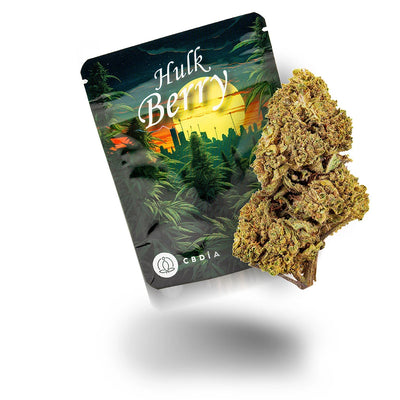
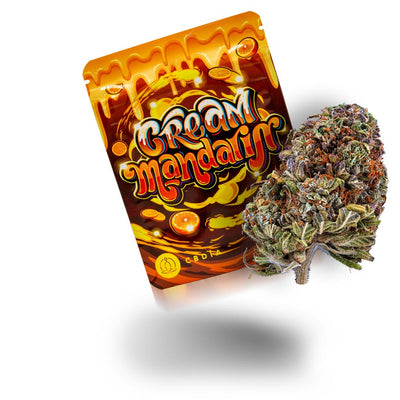
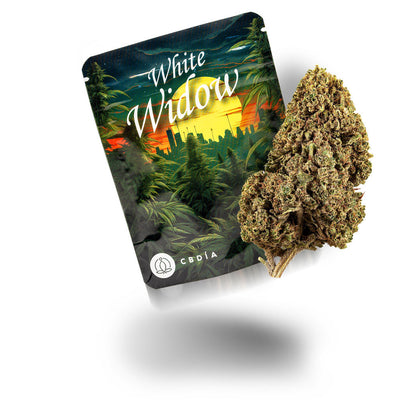
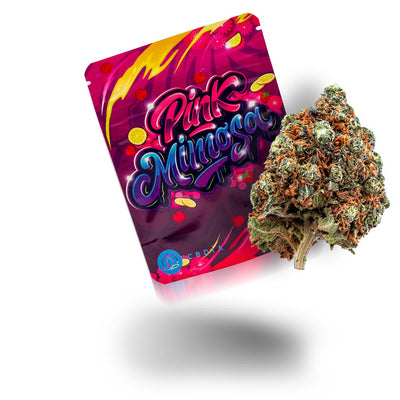
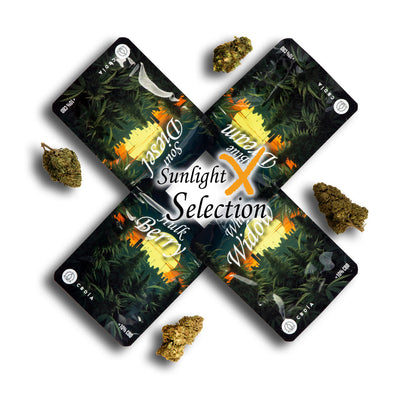
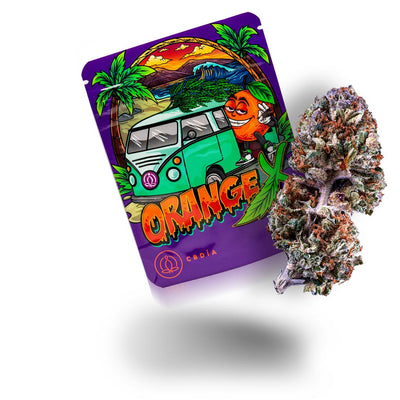
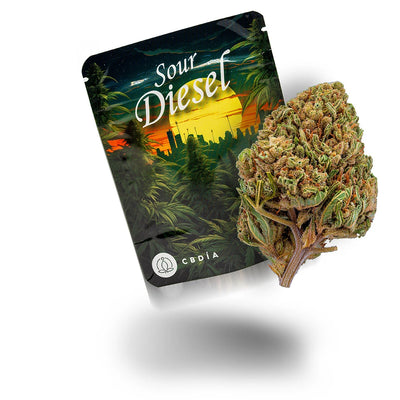
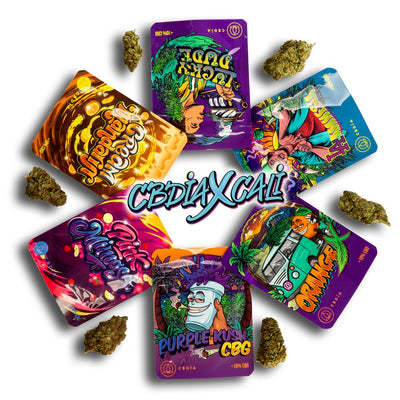
According to the lab certificate, all CBD flowers at CBDÍA are under 0.3 per cent THC; see our CBD flowers from EU hemp and the lab certificates.
As a cannabinoid, THC occurs naturally in cannabis. The content varies greatly depending on the plant and product, which is why a blanket classification does not make sense.
Important for legal orientation: CBDÍA products are based on legal hemp with a maximum of 0.3 per cent THC. THC nonetheless remains a central term when it comes to cannabis, effects and legal differences to CBD.
Tetrahydrocannabinol and the chemistry of the hemp plant
If you are looking for the meaning of THC and not for the meaning of 420, the classification helps first: THC stands for tetrahydrocannabinol and is a natural substance of the hemp plant. Cannabis, here, does not refer to a single ingredient, but to the plant, or plant genus, from which flowers, resin or extracts can come. Cannabis contains various substances, including terpenes, flavonoids and cannabinoids. Hemp, by contrast, is a legally relevant category of cannabis: it refers to hemp varieties that must comply with certain THC limits. How much THC occurs in a plant depends, among other things, on variety, cultivation and plant part. That is why you should not equate cannabis, hemp and individual ingredients such as THC or CBD.
Is tetrahydrocannabinol a cannabinoid?
Yes: THC is a cannabinoid; more precisely, tetrahydrocannabinol is one of the cannabinoids that occur naturally in cannabis. Cannabis contains not only THC, but many other cannabinoids, such as CBD, CBG or CBC. The term "THC cannabinoid" therefore does not refer to a separate plant name, but to a single active substance within a larger group of substances. These cannabinoids can dock onto the endocannabinoid system in the body, but differ in their effects and legal assessment. It therefore makes sense to always understand THC as one component of cannabis, not as a synonym for the whole plant.

What is the difference to CBD?
If you are wondering: "What is THC?", the short answer is: THC, written out as tetrahydrocannabinol, is a natural cannabinoid from cannabis. Part of the meaning of THC is above all that it is assessed differently from cannabidiol, both legally and in terms of health.
CBD is the abbreviation for cannabidiol. THC and CBD both occur in cannabis, including in the CBD flower, but they are not treated the same. Cannabis and its ingredients also include other cannabinoids and further plant substances, which can be present to varying degrees depending on the variety. What research has described so far about CBD effects, and how they differ from the high caused by THC, is summarised in a separate guide.
CBD products and the 0.3 per cent limit
When assessing CBD products, the difference between CBD and THC also helps in practice: make sure the THC content complies with the THC limit of at most 0.3 per cent, and that the value per batch is verifiable through a lab certificate. Information on origin, meaning country and growing method, is also useful. For hemp, the variety should come from the EU variety catalogue. If this documentation is not available, caution is advised. CBD products are only intended for sale to adults aged 18 and over; THC remains the legally sensitive point here.
What applies legally in Germany?
In cannabis, THC is the substance that is particularly relevant legally because it has a psychoactive effect; how long it remains detectable is shown by the THC breakdown calculator. The rules around cannabis, consumption and possession can differ depending on the type of product, age and situation. This overview does not replace legal advice and does not provide instructions for acquiring or consuming THC-rich products.
For hemp and CBD-related products, it is crucial that they come from legal hemp approved in the EU variety catalogue. In the CBDÍA context, the following also applies: a maximum of 0.3 per cent THC and sale only to adults aged 18 and over. At higher intake, THC can increase a risk to perception, reaction ability and health. Consequences in everyday life can also arise after cannabis consumption, for example in road traffic: THC is often detectable in the blood for hours, and breakdown products can also be detectable in urine for several days, depending on consumption patterns.
Why is the content decisive?
The legal significance of THC is shown particularly in the THC content: for hemp products relevant to CBDÍA, it is a maximum of 0.3 per cent. The higher the THC content, the more likely a product may be classified differently; conversely, "cannabis without THC" usually refers to hemp with a very low value. That is why product testing, the origin of cannabis and analysis values are closely related. Reputable tests help to prove the actual THC content and reduce legal risks.

Which quality features help you with CBD products?
If you are wondering what THC is, you should therefore pay particular attention to transparent THC information. Reputable products state the THC content in a verifiable way and show a lab certificate per batch, ideally with a cannabinoid and terpene profile.
Also important are origin details with country and growing method, as well as confirmation that the hemp used comes from the EU variety catalogue. This lets you better check whether the cannabis raw materials were grown under controlled conditions and which cannabinoids are actually contained. A reliable source for quality information is a current analysis certificate rather than general advertising claims. Studies, reviews or DOIs can be relevant for individual questions about active substances, but do not replace a batch check. Make sure all values are plausible and that other ingredients are clearly named.
Conclusion: what this means for your choice of CBD
If you are wondering: "What is THC?", the short version is: THC stands for tetrahydrocannabinol and is a cannabinoid from cannabis. The difference between CBD and THC therefore lies not only in the chemical classification, but also in how both substances are assessed legally and in practice.
For your choice of CBD products, this means: pay attention not only to the cannabis origin, but also to transparent information on THC content. In Germany, the 0.3 per cent THC limit is relevant for CBDÍA products. Many reputable providers make a lab certificate available for this, so you can see exactly what is contained in the product. This is particularly helpful if you are consciously choosing CBD and want to avoid consuming THC.
A sober check makes sense: compare ingredients, THC value and analysis certificate (a THC measuring device for home use does not replace a lab analysis), and then choose a CBD product that suits your needs.
Note on law, responsibility and age
This article by Jona Decker explains in general terms what THC is and provides an objective classification of important terms around cannabis. The content does not replace legal advice and is not a recommendation for consumption. Legal requirements can change; therefore check the current situation regularly or seek professional advice if you are unsure.
THC can have different effects depending on the person and can pose a risk, especially for young people or those with pre-existing conditions; THC is also not harmless for pets, as the article can cats get high shows. CBDÍA products with the permitted THC limit are sold exclusively to adults aged 18 and over.
Note: This article is for general information purposes and does not replace medical or legal advice. No claims of healing, effects or health, no recommendations on consumption or dosage. Sale only to adults aged 18 and over. As of: September 2026.