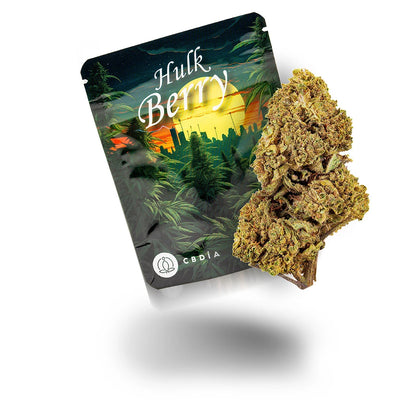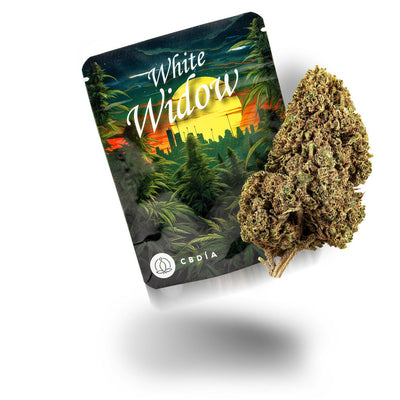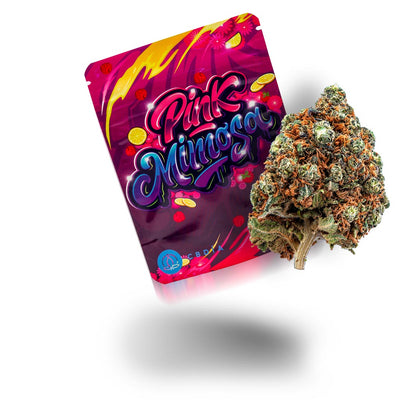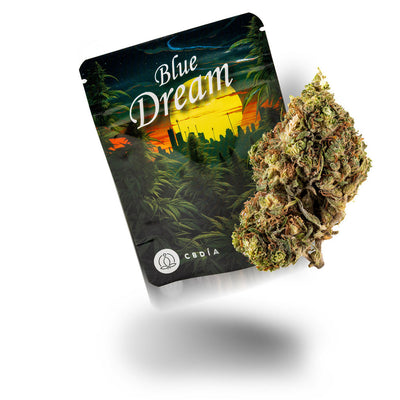


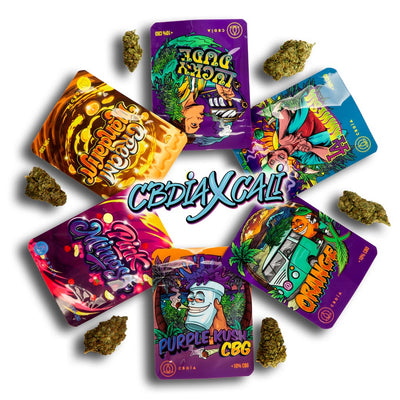
What are hemp flowers from Cannabis Sativa?
Hemp flowers are the flowers of the hemp plant, which form at the end of the growing season. Seeds form on female plants after pollination; they are used to make food and oils.
Where can I buy hemp flowers?
Hemp flowers can be bought in various shops, such as health food shops or online. CBD flowers, which come from EU-certified hemp seeds of the Cannabis Sativa plant, are sold in the online shop. Hemp contains the cannabinoid CBD (cannabidiol), which, unlike THC, is not intoxicating. CBD is sold commercially in the form of oils, flowers or cosmetics, among other things.
Hemp: information on a versatile raw material
Unlike drug-type hemp, which is bred for its high THC content, hemp contains very little THC. It is therefore not grown as an intoxicant but as a raw material for a wide range of purposes.
What is hemp and how can you recognise it?
Hemp, botanically a form of Cannabis Sativa L. and also known as industrial hemp, is a crop plant from the hemp family (Cannabaceae) that is grown for various commercial purposes. Unlike THC-containing cannabis, hemp is mainly used for its fibres and seeds. Hemp fibres, for example, are used to make textiles, paper and plastics, while hemp seeds are used as food and to make oils and foodstuffs.
Hemp can be recognised by a number of features. Hemp leaves are usually broader and flatter than those of a typical cannabis plant. Hemp forms flowers quite normally; the key difference lies in the THC content. The smell of hemp is also different from that of marijuana and tends to smell more of hay or straw.

Industrial hemp, hemp flowers or Cannabis Sativa: many people lose track of the different terms used for hemp and the difference between Sativa and Indica.
What is hemp used for?
Hemp is mainly used in industry to make textiles, paper, building materials and food. Its fibres are very robust and durable, which makes them particularly well suited to making textiles such as ropes and fabrics. Hemp is also used in the cosmetics industry. Our article on whether CBD flowers are legal shows, using flowers as an example, how CBD products are classified under the law.
Hemp is used in the following industries:
-
Hemp in the food industry: hemp seeds contain protein, fibre, unsaturated fatty acids and minerals, among other things. High-quality oils, flours and protein powders are extracted from hemp seeds. These products are used in baked goods, cereals, smoothies and much more.
-
Hemp in the textile industry: hemp fibres are robust and durable. They are excellently suited to making textiles such as clothing, bags, ropes and sailcloth. Hemp fibres are considered a natural alternative to many conventional materials.
-
Hemp in the building materials industry: hemp stalks can be used to make sustainable building materials such as hemp concrete, hemp fibre boards and insulation materials. These building materials are considered lightweight and good insulators and are used in ecological construction.
-
Hemp in the cosmetics industry: hemp oil is extracted from hemp seeds and contains a high proportion of unsaturated fatty acids. It is used in skincare products such as creams, lotions, soaps and shampoos. Hemp oil can also be used in the production of natural cosmetics.
Hemp is a versatile raw material with a wide range of applications. Due to its low THC content, growing hemp is legal in many countries and it is used as a raw material for many products.
Growing hemp: rules and controls
Is it legal to grow hemp and is cultivation monitored?
In Germany, hemp may legally be grown, provided that the cultivation is reported to the relevant authority, the seed is certified and comes from varieties listed in the EU variety catalogue, and the plants stay within the THC limit. The rules for indoor and outdoor cannabis cultivation for CBD and THC, respectively, are considerably stricter in Germany.
Anyone wanting to grow hemp in Germany should expect strict controls. The Federal Office for Agriculture and Food (BLE) receives the cultivation notifications and carries out the THC checks on hemp cultivation. There are very specific implementing rules for hemp cultivation in force.
Which Cannabis Sativa strains may be grown in Germany?
There are various hemp strains approved for cultivation in Germany. These strains are specially bred to have a low THC content. Which strains are currently approved can be looked up in the shared EU variety catalogue; the BLE provides information on the requirements.
When is hemp harvested?
Hemp is usually harvested in autumn, when the plants are mature and their seeds have ripened. The fibre is obtained from the stalks of the hemp plant, while the seeds are used to make oil and food.
The legal situation in Germany
Is the plant legal in Germany?
Under the German Consumer Cannabis Act (KCanG), hemp counts as industrial hemp if it is traded exclusively for commercial or scientific purposes that rule out misuse for intoxication, and further requirements are met, such as certified seed or a THC content of no more than 0.3%. There are strict rules and regulations in Germany governing the cultivation, processing and sale of hemp, and there are also rules for seeds used for cultivation. Unlike hemp, the rules for chemically altered cannabinoids are strict, even when these are derived from hemp.
Does the plant contain THC?
Hemp contains very little THC: under German law, hemp with a THC content not exceeding 0.3% is classed as industrial hemp, among other things. THC is the psychoactive component of cannabis. THC-containing cannabis has been governed since 1 April 2024 by the German Consumer Cannabis Act, which allows adults possession and home cultivation only within narrow limits.
Hemp: strains and products at a glance
What hemp strains are there?
There are various hemp strains that differ in size, shape and colour. By use, a distinction is made between fibre hemp, seed hemp and flower hemp; these are not strain names but cultivation aims. The individual strains in the EU variety catalogue have their own names and differ, among other things, in growth, fibre content and terpene profile.
What are hemp products?
Hemp products include textiles such as fabrics, ropes and yarn, paper, foodstuffs such as hemp protein powder and hemp seed oil, as well as building materials and cosmetics.
Hemp plants are either male or female. Female plants bear the resin-rich flower clusters and, after pollination, the seeds; male plants provide the pollen.
What does hemp smell like?
Hemp has a slightly earthy, grassy smell that is generally less noticeable and less intense than that of cannabis, which, unlike hemp, is known as a recreational substance.