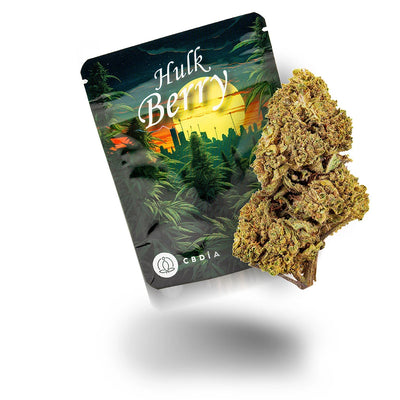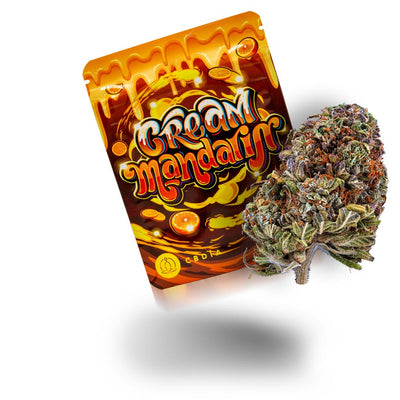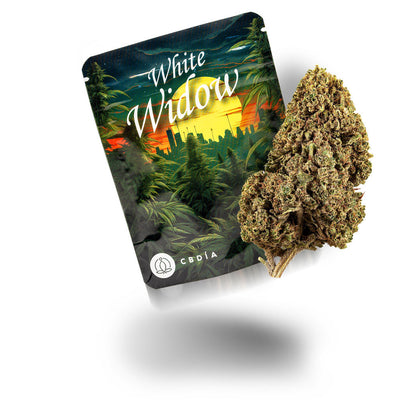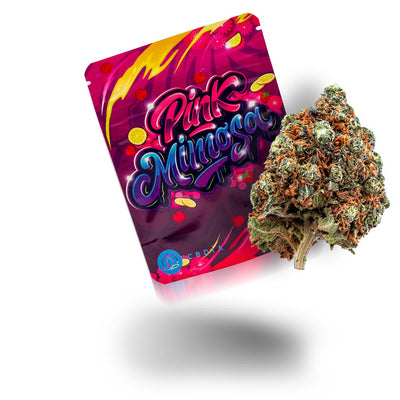






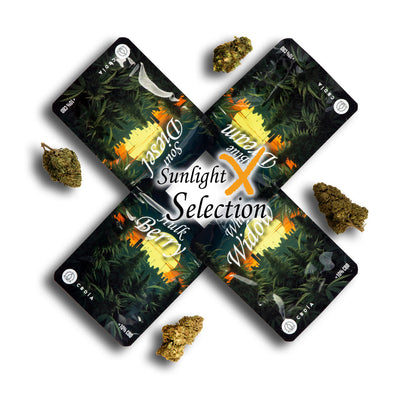
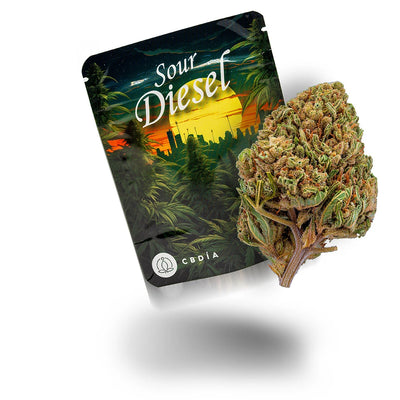
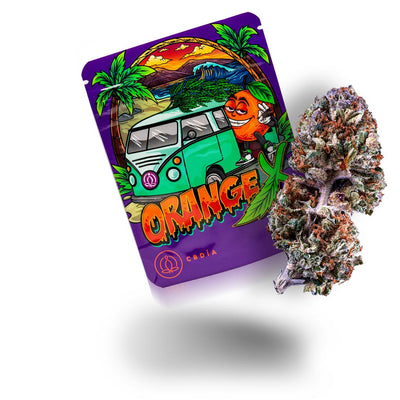
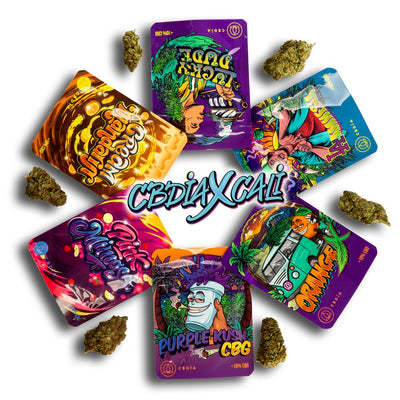
Are CBD flowers legal? This question cannot be answered in a blanket way in Germany, but depends on the specific legal situation for CBD flowers, the THC limit, the origin of the hemp, the declaration and solid evidence. The focus here is exclusively on legal requirements: when CBD products can be fit for trade, what role approved industrial hemp varieties play, and which documents are relevant for traders and consumers. You can find tested varieties in our CBD Flowers category.
This guide by Jona Decker addresses CBD legality in Germany factually and without statements on health, effects or consumption. CBD flowers are legally particularly sensitive because flowers can be assessed differently from other CBD products. This article is aimed at readers of legal age, 18 and over, and clarifies when CBD can be considered legal in Germany.
Are CBD Flowers Legal in Germany?
Are CBD flowers legal? In Germany, CBD flowers can be fit for trade if they come from approved industrial hemp, the applicable THC limit is observed, and the presentation of the product is not misleading. In the past, 0.2 percent was often cited; today the limit of 0.3 percent THC is the relevant one. Whether CBD is legal in Germany therefore always remains a question of product, declaration and evidence.
Short Answer for Consumers
For consumers, the following applies: buying or offering CBD flowers legally is not automatically excluded in Germany, but only under clear conditions. Origin, lab value and intended purpose are decisive. CBD from approved industrial hemp can be permitted as long as the THC content is no more than 0.3 percent. There is nevertheless no blanket guarantee for every individual case, because packaging, advertising and intended use can also be legally assessed.
Why the THC Content Is Decisive
For the legal situation of CBD flowers, THC content is the central test criterion. If the content exceeds the permitted value, the flowers cannot simply be considered legal. A certificate of analysis from a laboratory is therefore an important piece of evidence, to document THC, CBD and fitness for trade in a traceable way. THC content alone, however, does not replace a complete assessment: origin, industrial hemp variety and product presentation must also match the legal requirements in Germany.
Which Legal Basis Applies?
The legal situation for CBD flowers arises from several levels: CBD, meaning cannabidiol, is a cannabinoid from the hemp plant and is not the same as intoxicating cannabis. The chemical basics are summarised in the article What Is CBD. Whether CBD is legally fit for trade in Germany, however, depends not only on the active substance CBD, but also on origin, THC content and the purpose of the goods. In Germany, national rules apply alongside EU requirements. The German Consumer Cannabis Act (KCanG) forms the central framework today; the German Narcotics Act (BtMG) is mainly of historical significance, because cannabis could previously fall largely under it.
Industrial Hemp and the EU Variety Catalogue
CBD flowers fit for trade must generally come from approved industrial hemp. What matters here is the EU variety catalogue: it lists European hemp varieties intended for cultivation as industrial hemp. This evidence is important for providers, because CBD flowers from unapproved varieties can be assessed differently under the law. Cultivation and the flowers derived from it must also match the national rules. In short: the question "Is CBD legal in Germany?" usually begins with variety, origin and documentation.
Limit Value: From 0.2 to 0.3 Percent
A central point of the legal situation for CBD flowers is the THC limit. For many years, 0.2 percent THC was often the reference point; in the European context, the value was raised to 0.3 percent. Today, 0.3 percent generally applies to industrial hemp as the relevant reference value. This does not automatically mean, however, that every product with CBD and flowers is fit for trade. The law and the German Consumer Cannabis Act continue to require compliance with all relevant rules, not merely a product promise.
Ordering CBD Legally in Germany: What to Look Out For?
Anyone wanting to buy CBD flowers should not only look at price or variety name. What matters is whether the products are described in a traceable way and whether legally relevant information is clearly provided. A reputable shop makes it transparent which flowers are sold, what THC content is stated, and what the classification is based on. This helps consumers better assess whether CBD flowers appear to be legally fit for trade and what "cannabis without THC" means in retail.
Checking the Certificate of Analysis and Declaration
A certificate of analysis or lab report should match the specific batch and not just apply generally to a variety. What matters is the date of the analysis, the laboratory's details, the CBD content, the THC content, and a clear assignment to the product. If no certificate of analysis is available or the content remains unclear, caution is advised. The declaration is more than a product description here: it helps to classify products legally and to make information about CBD, origin and limit values traceable.
Origin, Variety and Provider Information
Origin and variety reference are also important checkpoints. CBD flowers should come from approved industrial hemp and be sold with clear information on variety, batch and purity. A shop that documents quality in a traceable way makes it easier to classify products under the legal situation for CBD flowers. If provider information, proof of origin or a clear declaration is missing, that can be a warning sign. This does not automatically mean that a product is impermissible, but it does make a reliable assessment more difficult for everyone involved.
How Do CBD Products Differ Legally?
The search term "CBD legal Germany" often covers very different goods. Legally, however, what matters is whether it concerns unprocessed flowers, processed CBD products, food, extracts, or, where applicable, medicinal products with a corresponding intended purpose.
CBD Oil, Capsules, Extracts and Novel Food
CBD oil, capsules and extracts are often offered as processed products. As soon as such CBD products are placed on the market as food, the novel food framework can become relevant. Put simply, novel food means a novel foodstuff that was not consumed to a significant extent before a certain cut-off date and may therefore require authorisation before distribution. This does not automatically affect every oil, but it does affect many products with isolated or enriched CBD. If a product is presented with a medical intended purpose, it can also fall regulatorily in the direction of a medicinal product.
Flowers Are Not Automatically Like Other Products
Whether CBD flowers are legal therefore cannot simply be derived from rules for other products. Flowers can be classified legally differently from food, capsules or other processed goods. What matters, among other things, is composition, THC content, intended purpose and distribution channel. This is why an individual case assessment usually remains necessary.
Source Situation and Status of the Legal Position
The assessment of the legal situation for CBD flowers is based on several checkpoints: the EU variety catalogue for approved industrial hemp varieties, the national legal situation in Germany, the German Consumer Cannabis Act with rules on, for example, cannabis social clubs, as well as distinctions from the German Narcotics Act. Guidance from the relevant authorities and product-related evidence, such as a current certificate of analysis documenting the THC content in particular, are also taken into account.
The status of this section is August 2026. Since rules on CBD, hemp and flowers have changed several times in recent years, an individual case review is important. For CBD flowers, what counts is not only whether the variety is permitted in the EU context, but also how the product is offered in Germany and whether the evidence clearly proves that the applicable requirements are met.
Conclusion: Classifying the Legal Situation and Purchase Correctly
Are CBD flowers legal? This cannot be answered in a blanket way: in Germany, CBD flowers are not automatically banned, but a product remains fit for trade only if the legal requirements are met. These include approved industrial hemp, a THC content of no more than 0.3 percent, a clear declaration and a traceable certificate of analysis.
Anyone wanting to classify CBD as legal and compliant with German rules should therefore not only look at the price, but at quality, transparency and a reputable shop. This applies especially if you want to buy CBD flowers, and anyone who wants to compare first before their first purchase can request a free cannabis sample. In a well-structured CBD flowers category, information on origin, lab values and product details can usually be checked more easily.
Note
This article is not legal advice. Whether CBD flowers are legal depends on the individual case and the current legal situation in Germany. As of: August 2026. CBD is aimed at consumers of legal age, 18 and over.