






Cali strains are cannabis strains associated with the Californian breeding scene: modern hybrids with dessert, fruit or Kush names, intense aromas and a striking look. This list of Cali strains classifies the best-known names by line, explains why the same names can turn out differently, and shows which Cali strains are available at CBDÍA as legal hemp flowers.
It's about origin, genetics, aroma and appearance, not about effects or consumption. Most original strains are THC-rich and not freely available in Germany; the CBDÍA variants come from certified EU hemp varieties with less than 0.3 percent THC.
Cali Strains: What Counts as a Cali Strain
A Cali strain is not a botanically defined variety but an umbrella term. It refers to lines bred in California, that became known there, or that are marketed in the Californian style. Typical traits are dense, resinous buds, vivid colours and aromas reminiscent of desserts, fruit or diesel. Many of the names have become established in the scene over the years and are now used worldwide.
At CBDÍA, the style is available as Cali Packs with CBD flowers: hemp from certified EU varieties, indoor cultivation, a lab certificate per batch and THC content below 0.3 percent.
Well-Known Cali Strains by Line
Instead of a ranking, a classification by line is more helpful. Many Cali strains trace back to a few founding lines that are repeatedly crossed anew. The following groups appear particularly often in strain lists.

Cookies, Gelato and Runtz
These lines stand for the modern dessert style. Girl Scout Cookies, often shortened to Cookies, is considered the starting point for many newer crosses. Gelato is attributed a lineage from Sunset Sherbet and Thin Mint Girl Scout Cookies, Runtz a cross of Zkittlez and Gelato. The strains are usually described as sweet, creamy and fruity, sometimes with berry or candy notes.
OG Kush and Kush Lines
OG Kush is considered one of the defining Californian strains of the 1990s. It is attributed Chemdawg and Hindu Kush as parent lines, though this is not conclusively documented. The abbreviation OG appears in numerous family trees. Kush lines are usually described as earthy, resinous and spicy with a pine note. Not every Cali strain is a Kush strain, however; many carry more Cookies, Gelato or Haze influences.
Wedding Cake, Lemon and White Variants
Other recurring patterns are names like Wedding Cake, strains with “Lemon” in the name, and White variants such as White Runtz. Wedding Cake usually stands for a sweet, cake-like aroma, Lemon names for citrus notes. “White” often refers to an especially pale, resinous look and not automatically to a distinct, clearly defined genetic line.
Why Cali Strains with the Same Name Turn Out Differently
A strain name is not a lab result. Plants with different traits, so-called phenotypes, can grow from similar genetics. Selection, growing conditions, harvest time and drying add to this. An analysis of commercial cannabis samples from six US states found that common product names do not consistently match the measured chemical composition. Some names do show a tendency toward certain profiles, but only the analysis of the specific batch is reliable.
For comparing Cali strains, this means: origin details and the lab certificate say more than the name on the pack. What the term Cali itself means and how it should be classified legally is explained in the article What Is Cali Weed.
Aroma and Appearance of the Strains
Cali strains are mainly described via their aroma. Sweet, creamy and fruity profiles are typical, often supplemented by citrusy, spicy or diesel-like notes. Terpenes, volatile plant compounds whose composition differs from strain to strain and batch to batch, are responsible for this. Visually, Cali strains stand out through compact buds densely covered in resin and vivid colours.

Purple Strains
Purple tones are among the traits many people specifically look for. They trace back to anthocyanins, natural plant pigments whose expression depends on genetics and growing conditions. A study on the influence of temperature found the highest anthocyanin accumulation at constant cool temperatures of 8 and 15 degrees Celsius. A purple colouring therefore says something about genetics and environment, not about quality or contents.
The Best Strains: Which Criteria to Compare By?
Which Cali strains are the best depends on what matters to you. Four criteria are suitable for an objective comparison: the aroma profile, the appearance of the buds, traceable details on origin and growing method, and a lab certificate for the respective batch. Rankings by strength, by contrast, usually only measure THC content and say little about aroma or quality. How THC content and described effects should be classified for Cali Weed is explained in the article on Cali Weed effects and THC content.
At CBDÍA: Flowers from Hemp
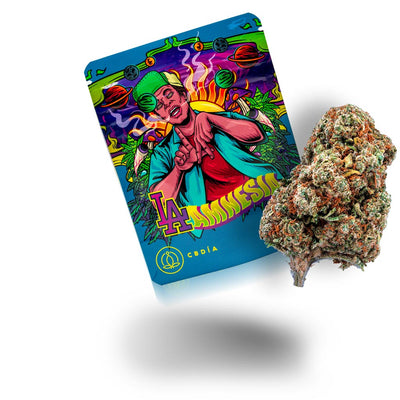
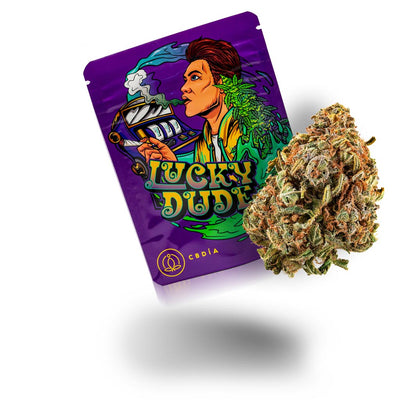
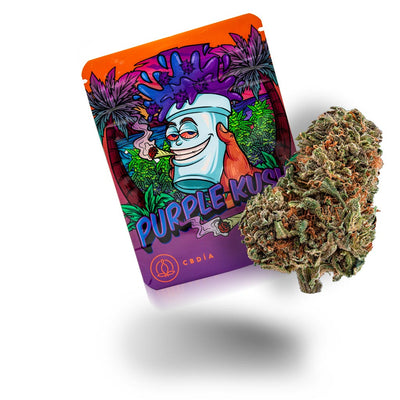
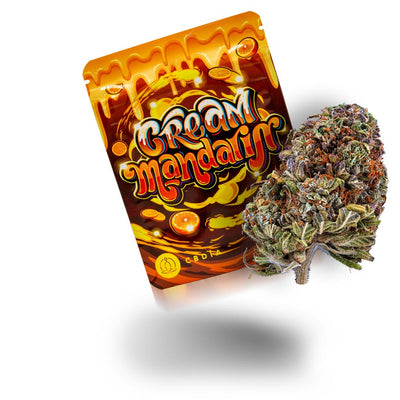
CBDÍA carries six Cali strains in 1-gram packs. All come from certified EU hemp varieties and indoor cultivation, THC content is below 0.3 percent, and there is a lab certificate for every batch. Five strains are CBD flowers, Purple Kush is a CBG flower.
Fruity: Cream Mandarin, Pink Mimosa and Orange X
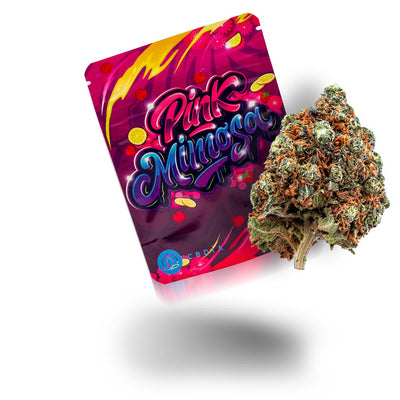
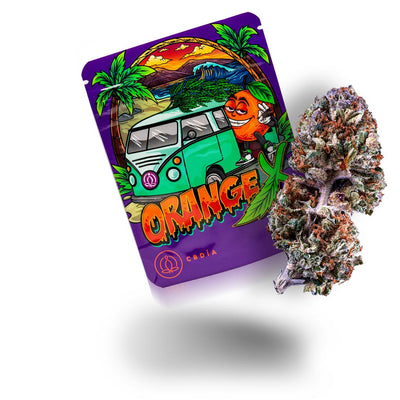
The Cream Mandarin CBD flower is described with mandarin, creamy and fruity notes and comes from indoor cultivation in Switzerland. Pink Mimosa, also from Switzerland, stands for sweet aromas with citrus and grape. Orange X combines a sweet, fruity profile with orange and mandarin notes.
L.A. Amnesia, Lucky Dude and Purple Kush
L.A. Amnesia from Austrian indoor cultivation is described with mint, citrus and spice, Lucky Dude from Switzerland with sweet notes, mint and lavender. Purple Kush is the Cali CBG flower in the range, grown in Austria, with a spicy aroma, fresh herbs and a hint of pine. Anyone wanting to compare several strains side by side will find them in the Cali sampler pack.
Conclusion: Comparing the Strains Objectively
Cali strains are modern hybrids from the Californian scene, shaped by lines such as Cookies, Gelato, Runtz and OG Kush. Their name gives orientation on aroma and appearance but doesn't guarantee a specific profile. Anyone comparing Cali strains is better off paying attention to origin details and the lab certificate than to rankings.
Note: This article describes strains botanically and aromatically. It contains no statements about effects, consumption or dosage and does not replace legal advice. Sale only to adults aged 18 and over. As of: September 2026.