








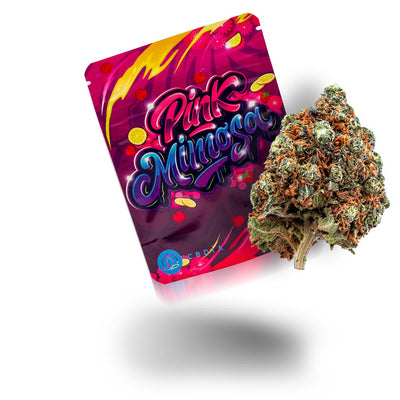

What is Cali Weed? In short, Cali Weed is a scene term for cannabis that is linked to California or marketed that way: striking strain names, intense aromas, colourful packaging. The term is neither protected nor standardised and, on its own, says nothing reliable about origin, quality or contents.
This guide explains what's behind Cali Weed, Cali Gras and Cali Packs, how Cali differs from Haze, and how the term should be classified legally in Germany. It names no sources of supply for THC cannabis and gives no consumption advice; you can find the Cali style in legal form as hemp flowers in our Cali Weed category.
What Is Cali Weed? Meaning of the Term
“Cali” is the colloquial short form for California, “Weed” the English slang word for cannabis. It refers to flowers associated with Californian cannabis culture. California has long been considered a centre for breeding modern hybrids, and many strain names well known today became popular there. The term Cali Weed therefore describes more of a style than a guarantee of origin: dense, resinous buds, a pronounced aroma, and a presentation built for recognisability.
In its original form, it is THC-rich cannabis. The Cali style is also available at CBDÍA as a legal variant, as Cali CBD flowers from certified EU hemp varieties with a THC content below 0.3 percent.
What Is Cali Gras?
Cali Gras means the same as Cali Weed, just with the German scene word “Gras” (weed) instead of the English “Weed”. Both terms refer to dried flowers of the cannabis plant in the Californian style. There is no difference in meaning.
Cali Droge: Why the Term Is Misleading
Searches for “Cali Droge” (Cali drug) show that some people suspect Cali refers to a distinct substance. That is not the case. Cali is not an active compound or a new drug, but a marketing and scene term for cannabis flowers. Which constituents are actually present can only be determined through a lab analysis, not through the name.
How Can You Recognise It? Appearance and Packaging
Recognising Cali Weed by appearance is harder than many think. Dense buds, vivid colours, plenty of visible trichomes and an intense scent point to careful cultivation, drying and storage. They don't provide proof of Californian origin. More reliable are traceable details on origin, growing method and lab values for the respective batch.

What Are Cali Packs?
Cali Packs are small, usually colourfully printed and resealable bags in which flowers in the Cali style are offered. The striking design is part of the brand presentation and has itself become a recognition feature in the meantime. Since such bags also circulate empty and freely designed, packaging alone says nothing about content, origin or legality.
Topshelf Cali: A Marketing Term
“Topshelf” literally means “top shelf” and stands for goods considered especially high quality. It usually refers to neatly trimmed buds with a striking look and an intense aroma. There is no objective standard behind it: without analytical values, topshelf remains a self-description.
Is Cali Gras Indica or Sativa?
Cali Weed is not a botanical category but a market term. Whether a plant is classed as Indica, Sativa or hybrid depends on its genetics, and most strains from the Californian scene are hybrids from multiple crosses. How little these labels reveal is shown by a genetic analysis of over 100 cannabis samples: samples labelled Indica and Sativa hardly differed genome-wide, and the classification correlated more with individual terpenes, in other words with aroma.
Which names appear particularly often in the Cali scene, from dessert to Kush lines, is shown in our overview of Cali strains.
Cali or Haze: What's the Difference?
The question “Cali or Haze” compares two terms on different levels. Cali stands for a style built around California, independent of the specific strain. Haze, on the other hand, denotes a strain family with shared lineage, known through strains such as Amnesia Haze or Silver Haze.

Aroma is also described differently for each. With Cali flowers, many expect a sweet, fruity, creamy or diesel-like profile, while Haze strains are generally considered spicy, citrusy and herbal. This can't be sharply separated, because many Cali strains themselves carry Haze genetics. More on the origin and typical characteristics of the line can be found in the article on Haze strains.
What Is the Legal Situation in Germany?
Original Cali Weed is THC-rich cannabis and falls under the German Consumer Cannabis Act (KCanG) in Germany. Under narrow conditions, the law allows adults to possess limited amounts, grow cannabis privately at home, and pass it on within cultivation associations. It does not provide for free trade in THC flowers, and importing cannabis is prohibited under Section 2 KCanG. Imported Cali Weed from California is therefore not legal merchandise, not even in a Cali Pack.
It's different for hemp: flowers from certified varieties in the EU variety catalogue, or with no more than 0.3 percent THC, are exempt from the KCanG's definition of cannabis under certain conditions. Not legal advice, as of: September 2026.
At CBDÍA: the Cali Style as a Hemp Flower
CBDÍA takes up the Cali style with its own Cali Packs, filled with flowers from certified EU hemp varieties instead of THC cannabis. The flowers come from indoor cultivation, depending on the strain in Switzerland or Austria. THC content is below 0.3 percent, each batch has a lab certificate, and a pack contains 1 gram.
Five of the Cali strains are CBD flowers, Purple Kush is a CBG flower. Sale is only to adults aged 18 and over. What you should know about Cali Weed regarding THC content and described effects is covered in the article on Cali Weed effects.
Conclusion: What's Behind the Term
Cali Weed is a scene term for cannabis in the Californian style, not a protected standard and not a distinct substance. Cali Gras means the same thing, Cali Packs are the typical colourful bags, and Cali and Haze describe different levels: a style and a strain family. Reliable statements about origin and contents come from origin details and lab values, not from the name or packaging.
Note: This article is for general information purposes. It contains no statements about effects, consumption or dosage and does not replace legal advice. Sale only to adults aged 18 and over. As of: September 2026.