











What is Haze?
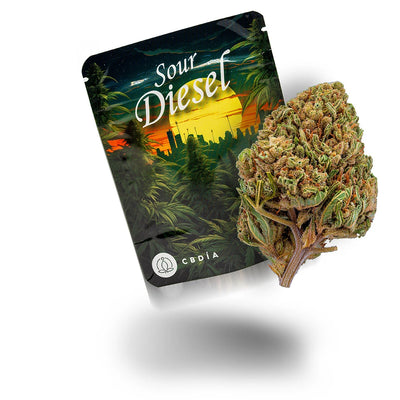
Haze is the name for a Sativa-dominant cannabis strain family, known above all for its distinctive aroma. It is often described as spicy, earthy, lemony or fruity. The plants are considered tall and slender with narrow leaves, and their buds are covered in numerous resin glands, where cannabinoids and terpenes are formed. Today, the name Haze stands less for a single plant than for an entire line of crosses that differ in aroma, growth and cannabinoid profile.
The best-known strains in the family
Which Haze strain is the best is a matter of taste. However, a few names keep recurring in the history of the Haze line. The following four strains are among the best known, each with its typical aroma profile:
1. Super Silver Haze
Super Silver Haze is one of the best-known Haze strains and emerged from crosses of Haze with Skunk and Northern Lights genetics. Its aroma is often described as fresh and citrusy; figures on cannabinoid content vary depending on the source and batch and are only reliable with a laboratory analysis. It owes its name to the silvery shimmering resin glands on the buds.
2. Amnesia Haze
Amnesia Haze is another well-known Haze strain. Its aroma is mostly described with spices and citrus fruits, with earthy notes besides. The name is also carried by a CBD flower in our range, our L.A. Amnesia: a certified hemp variety from the Cali line, grown indoors in Austria, with aromas of mint, citrus and spice and a THC content below 0.3% according to the lab certificate.

3. Purple Haze
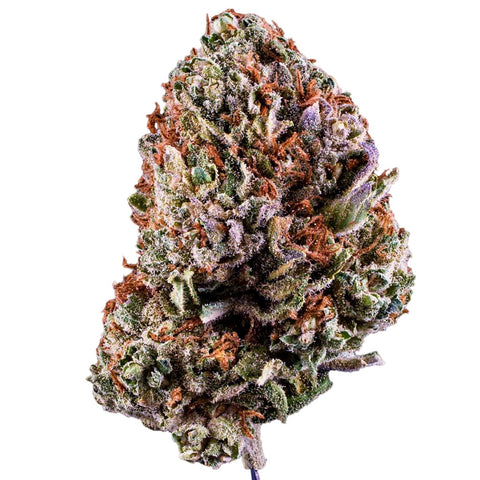
Purple Haze is known for its striking, purple-coloured buds, which can also be seen here. The name is often associated with the Jimi Hendrix song of the same name. Our Purple Haze CBD flower comes from the Selected line, is grown in a Glasshouse in Italy and has a sweet, fruity aroma with a note of incense.

4. Lemon Haze
Lemon Haze is the strain for anyone who likes citrus aromas. Its fresh, slightly tart aroma is reminiscent of lemon peel and is particularly easy to recognise among the Haze strains. As with all strain names, the same applies here: the name describes an expectation of the aroma, but only analysis shows the actual profile of a batch.
What makes these strains so special?
Haze cannabis strains have several traits that set them apart from other cannabis varieties. These four points describe what makes up the Haze line:
1. Aromatic profile
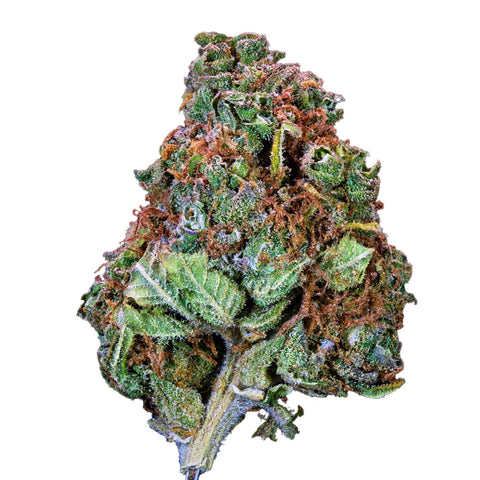
Haze strains are characterised by a complex and intense aroma. Typical notes include citrus fruits, pine, spices and sweetness. It is precisely this fragrance profile that explains why Haze names are also popular for CBD flowers made from hemp.
2. Cannabinoid profile
Haze strains from the recreational cannabis sector are often advertised with high THC values in breeder descriptions. Such figures are marketing values from individual suppliers, not verified average values. Our article on THC content in cannabis explains what a THC value means and which limits apply. CBD flowers with Haze names, on the other hand, come from hemp with a THC content of at most 0.3%.
3. Terpene profile
Terpenes are mainly responsible for the typical Haze aroma. Descriptions of Haze strains frequently mention terpinolene, limonene or myrcene. Which terpenes and in what quantity are present in a specific bud depends on genetics, cultivation, harvest time and storage, and can only be determined in a laboratory.
4. Growing requirements
Haze strains are considered more demanding to grow than many other cannabis strains. The plants grow tall, need plenty of space and have a comparatively long flowering phase. This explains why Haze genetics have often been crossed with faster-flowering lines in breeding.
How do you choose the right strain?
Which Haze cannabis strain suits you best depends on personal preference. These criteria help when choosing CBD flowers with Haze names:
- Terpenes: If you are looking for a particular aroma, pay attention to the terpene profiles of the different strains.
- Lab certificate: An analysis certificate for each batch shows THC content, CBD content and other cannabinoids. Without a certificate, a strain name cannot be verified.
- Origin and cultivation: Country and cultivation method, that is Indoor, Greenhouse or Glasshouse, shape the appearance and aroma of a bud.
- Cultivation: If you plan to grow your own Haze plants, find out beforehand about the legal limits and about how much space and time the strain needs.
Haze cannabis strains are undoubtedly fascinating and offer a wide range of aromas. In Germany, the German Consumer Cannabis Act (KCanG) applies to cannabis containing THC: under the Consumer Cannabis Act, cultivation associations may only pass on cannabis grown jointly to their members and only under strict conditions. Our article on cannabis social clubs describes how such associations are organised.

Tips for correct storage
Anyone who has bought CBD flowers with Haze names wants to preserve their aroma for as long as possible. Terpenes are volatile, and cannabinoids change with light, heat and time. These tips help with storage:
-
Airtight containers: Use airtight glass containers or preserving jars to store the Haze buds. This keeps moisture out and helps volatile fragrance compounds last longer.
-
Dark place: Store the buds in a cool, dark place, because light and heat accelerate the breakdown of cannabinoids and terpenes.
-
Temperature and humidity: Stored cool, dry, dark and airtight, the aroma changes more slowly.
-
Avoid air contact: Every time the container is opened, air can get in and affect the quality of the buds. Avoid opening and closing it frequently.
-
Labelling: Don't forget to label the containers so it is always clear which strain and which batch is inside. This prevents mix-ups and helps you find the matching lab certificate again.
-
Store childproof: Buds should be kept out of reach of children and pets.
Legal aspects and responsibility
Since 1 April 2024, the German Consumer Cannabis Act has regulated the handling of cannabis containing THC in Germany. It allows adults possession and private home cultivation only within set limits, and the sale of such strains remains prohibited. This should be distinguished from CBD flowers made from hemp, which come from certified varieties in the EU variety catalogue and contain at most 0.3% THC. Other countries have their own rules, so it is worth checking the relevant legal situation before travelling. Our own article explains exactly what cannabis without THC means. This article does not constitute legal advice.
Exploring the strain family further
The world of Haze cannabis strains offers a huge variety of aromas, names and breeding histories. New crosses that trace back to well-known Haze lines keep appearing. Anyone interested in strain lore will find particularly many relationships between individual strains within the Haze family.
Whether you appreciate the spicy profile of Amnesia Haze or prefer the fresh citrus aroma of Lemon Haze, there is something to suit every taste. With CBD flowers, it is worth looking at origin, cultivation method and lab certificate before deciding on a strain.
Conclusion: what defines the strain family
Haze cannabis strains are one of the best-known strain families of all. Their reputation rests on their distinctive aroma of citrus, spice and earth, on a long breeding history and on the plants' typical tall growth.
For CBD flowers with Haze names, what counts above all are verifiable facts: the hemp variety from the EU variety catalogue, origin with country and cultivation method, and the lab certificate for each batch.
History of the strain family
The history of Haze cannabis strains is as varied as their aromas. The Haze line is usually traced back to California in breeder circles; this origin is not scientifically documented. In the 1960s and 1970s, breeders there are said to have begun crossing various Sativa strains. The botanical classification into Sativa and Indica is disputed here, because crossbreeding has long since blurred the boundaries.
Haze genetics later reached Europe via seed banks, above all the Netherlands, where they were crossed with other lines. Many of today's well-known Haze names originate from these crosses.
New developments in Haze breeding
The world of cannabis breeding never stands still, and that also applies to Haze strains. Newer breeds often aim for shorter flowering times, more compact growth or a specific aroma.
Some breeders focus on deliberately preserving the terpene profile of Haze strains. Others work on stabilising strains so that plants from the same seed batch turn out more uniform. In the hemp sector, this also produces CBD flowers whose aroma profile is reminiscent of classic Haze strains, while the THC content stays within the legal framework.
What does the current research say?
Cannabinoids and terpenes from cannabis have been studied scientifically for years, including with regard to the question of how individual strains differ chemically. However, the body of research on individual strain families such as Haze is limited: strain names do not reliably reflect the actual composition of a bud, so no properties can be derived from a name. CBDÍA's CBD flowers are not medicinal products and are offered without any health-related claims.
Final thoughts on Haze weed
Haze cannabis strains are undoubtedly a remarkable phenomenon in the world of cannabis. Their aromas, their breeding history and their typical tall growth make them one of the best-known strain families.
If you want to discover Haze aromas in CBD flowers, compare the strains by aroma profile, origin and lab certificate. This will help you find out which strain best suits your taste. CBD flowers are only supplied to adults aged 18 and over.