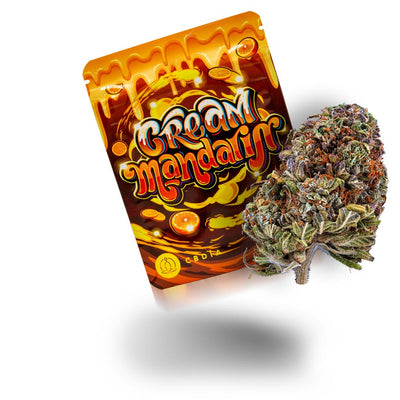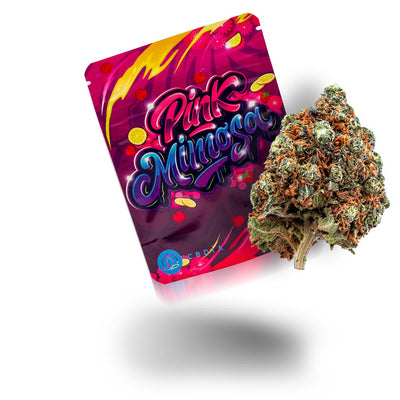








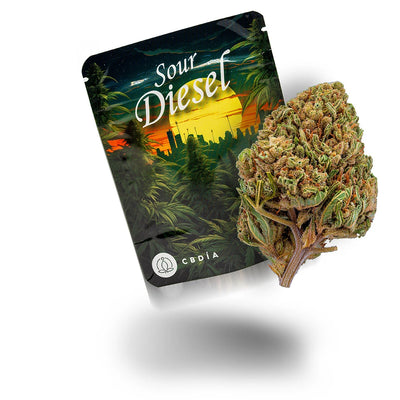

Terpenes in cannabis are aromatic molecules that play a key role in how a strain smells and tastes. They are not found in cannabis alone, but also in many other plants, herbs and fruits. Together, terpenes shape the aroma of cannabis flowers: sometimes citrusy, sometimes earthy, spicy, floral or resinous. The particular terpene profile describes which terpenes are present and in what proportions, and why strains can differ from each other in scent and taste. You can find the terpene profiles of individual strains with our CBD flowers.
This article looks at terpenes purely from a factual, editorial perspective: it is about scent, taste and strain profiles, not medical claims of effect or advice on use. Terms such as CBD are only placed here in the context of describing the plant. Jona Decker's byline and the 18+ notice serve as an editorial framing for a topic aimed at adult readers.
What are terpenes in cannabis?
Terpenes are volatile aromatic compounds found in many plants. They shape the scent of flowers, herbs, fruits or resins, and are also an important part of cannabis's natural aroma. When people talk about terpenes in cannabis, they mainly mean the substances that help determine a strain's smell and the subtle differences in its taste.
Terpenes are not unique to the cannabis plant; they occur widely throughout the plant world. In cannabis, they sit mainly in the resin-rich plant parts and, together with other constituents, form a characteristic terpene profile. This terpene profile describes which terpenes are present in what combination and how particular strain profiles emerge from them.
Typical examples are myrcene, limonene or pinene. Such compounds can bring out earthy, citrus, spicy or pine-like notes. Terpenes are therefore mainly relevant for sensory classification: they help explain why different strains smell and taste different.
Why does every cannabis strain smell different?
Whether a flower smells fruity, resinous, spicy or earthy is mainly down to volatile aroma molecules. Terpenes in particular are responsible for the scent, but never a single substance alone. What matters is the combination of many components: which terpenes are present, in what quantity, and how they interact. That is why two strains can look similar but develop a noticeably different aroma.
Genetics too, such as the difference between sativa and indica, growing environment and ripeness affect how cannabis smells. A given strain may bring typical traits with it, but the cannabis plant develops its terpene profile differently depending on the growth stage. Flowers harvested earlier or later can therefore smell different. Storage and drying can likewise change which terpenes are retained. This is how different strains end up with their own distinct aromatic combination.
Terpenes and the terpene profile in cannabis
The terpene profile is the aromatic fingerprint of a flower. It refers not just to which terpenes cannabis contains, but above all to their ratio to one another. Terpenes and other scent compounds are usually present in small amounts, but they shape the overall impression significantly. In cannabis, a higher proportion of myrcene can emphasise earthy notes, while other terpenes bring out citrus or pine-like nuances. It is the interplay that ultimately determines how the terpenes are perceived and why every flower develops its own distinct scent.

Which cannabis terpenes are well known?
Many terpenes occur not only in cannabis, or hemp, but also in numerous other plants. They mainly shape a strain’s scent and flavour and are often used to describe a terpene profile in words: earthy, citrusy, floral, woody or spicy. The search term “cannabis terpenes” therefore usually leads to aroma associations rather than a ranking. A single terpene rarely defines the profile on its own; many nuances arise from the interplay with other terpenes.
Myrcene, limonene and pinene in focus
The cluster “myrcene, limonene, pinene” is often the starting point when terpenes are described aromatically. Myrcene is often associated with earthy, herbal and slightly musky notes; mango is sometimes used as a scent reference. Limonene is reminiscent of citrus fruits and can suggest a bright, fresh profile, for instance when strain names such as Lemon Haze raise citrus expectations. Pinene, particularly alpha-pinene, is associated with pine, resin and forest air. These terpenes provide simple points of reference, without any single terpene explaining the whole character on its own.
Linalool, humulene and other scent notes
Linalool is frequently described via a lavender-like, floral scent note. Humulene can be perceived as more spicy, woody or slightly herbal. Geraniol, bisabolol and camphene also appear in aroma profiles: geraniol is often classified as rosy-fruity, bisabolol as mildly floral, and camphene as more resinous and fresh. Then there are terpenes such as terpinolene with green, somewhat herbal tones, or beta-caryophyllene with a peppery, spicy direction. Such terms help to name natural scent images that are also familiar from other plants.
In practice, terpene profiles consist of several building blocks. Two strains can show similar main notes yet still differ noticeably, because accompanying terpenes shift the perception. An earthy base tone can feel lighter through citrus accents, while peppery or woody notes add more depth. For readers, what matters less is which terpene is “the most important”, and more how the terpenes together describe the aroma of cannabis. Just how central this group of substances is to strain description is shown by the very name of our sister shop Terp Ninjas, which points directly to the terpenes.
How does a terpene profile develop?
A terpene profile describes which terpenes occur in a cannabis plant and in what ratio. The basis for this lies first in the genetics: they determine which aromatic compounds a strain can form in principle. However, terpenes in cannabis do not arise in isolation. The conditions during growth also influence how clearly individual scent notes are perceptible later on.
Just like other plants, cannabis responds to environmental influences. Light, nutrient supply, water balance and stress factors can affect terpene formation. The time of harvest also plays a role, because the ratio of substances in fresh cannabis flowers changes over the ripening phase. Chemically speaking, terpenes are volatile compounds that help determine scent and taste. That is why the terpene profile is not a fixed value, but the result of genetic disposition, development and further handling after harvest.
Growing, drying and storage
After harvest, the terpene profile remains sensitive. Temperature, light, air contact and time can change the aroma, because many scent components readily evaporate or oxidise. The scent of terpenes is therefore often different in fresh material than after longer storage. Drying and storage help determine how stable natural aroma characteristics remain. Too much heat or prolonged contact with oxygen can break down individual terpenes more quickly, while gentle conditions help preserve the characteristic profile more reliably.

Terpenes in other plants as a source
Terpenes are not unique to cannabis. They occur in many other plants and shape aroma and scent there too. Anyone who zests a lemon, for example, often notices limonene-dominated notes. The typical scent of pine trees is associated among other things with pinene, while lavender stands for floral, herbal impressions. Herbs such as rosemary, thyme or basil also contain terpenes and make familiar scent profiles recognisable as a result.
This botanical comparison helps to place cannabis aromas in context: a terpene profile is easier to understand when linked to familiar sources from nature. Citrus fruits, conifers, herbs and flowers are illustrative sources of similar scent notes. It is important to note, however, that the fact terpenes occur in other plants initially only says something about chemical relatedness and perception. For describing strain profiles, what matters above all is how individual terpenes combine to form an aroma.
How do you recognise a terpene profile in a lab certificate?
A lab certificate can show a terpene profile by listing individual terpenes by name, such as myrcene, limonene or pinene. Relative proportions or concentrations are often given as well, making it visible which compounds particularly shape the aroma of a batch. Alongside CBD and other cannabinoids, such figures provide additional orientation, without allowing precise conclusions about effects or properties to be drawn from them.
The batch reference is important: the analysis should match the specific cannabis flowers that were tested, since terpenes can vary depending on strain, cultivation, drying and storage. Reputable certificates also show which method was used and when the sample was tested. This makes it easier to judge whether the stated terpene profile is documented transparently. In the context of terpenes in cannabis, the focus is mainly on aroma, scent and the profile of a strain. Lab values for terpenes are therefore no guarantee of quality and do not replace personal perception; but they do help compare strains more objectively and better understand the difference between cannabinoids and volatile aroma compounds.
Conclusion: terpenes make strains distinguishable
Terpenes in cannabis are a key reason why strains smell, taste and are recognised differently. They shape aroma and flavour just as much as the overall terpene profile of a flower. Anyone looking at different CBD flowers can therefore pay attention not only to names or cannabinoid content, but also compare terpenes and strain profiles, and if you would rather judge the aroma for yourself before your first purchase, you can try CBD flowers for free. This gives a factual impression of what makes strains sensorially different.
Notice and status
This article is intended exclusively for people aged 18 and over and provides general information, including in connection with CBD. It does not replace legal advice or medical advice. Last updated: August 2026. No claims are made regarding consumption, dosage, health or healing.