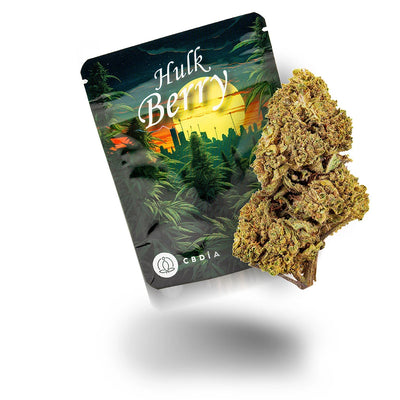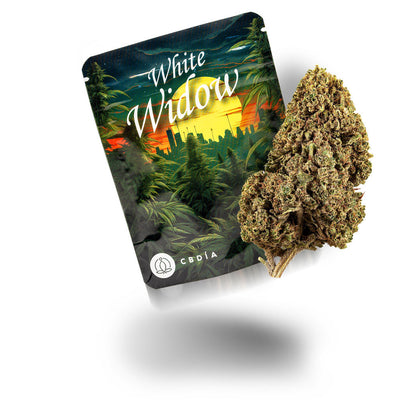






Pinene is a monoterpene with a resinous, fresh scent of pine forest. It occurs in two forms, alpha-pinene and beta-pinene, which are among the most widespread terpenes of all: in pine trees, rosemary, sage and also in hemp.
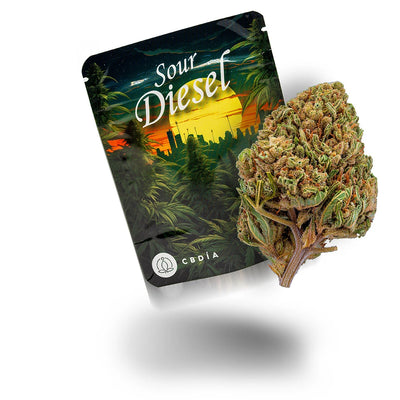
The glossary article explains what pinene is chemically, how the two forms differ, where they occur and how you can read pinene in a terpene profile. An overview of the aroma compounds of the hemp plant is given by the guide Terpenes in cannabis. Strains with a resinous-fresh profile can be found among our CBD flowers, each with a laboratory certificate for the batch.
Pinene profile: alpha- and beta-pinene
Pinene has the molecular formula C10H16 and a compact structure of two connected rings. Alpha- and beta-pinene differ only in the position of a double bond, which is enough for a different scent and boiling point. The substance database PubChem gives 156 °C for alpha-pinene, while it lists 166 °C for beta-pinene, both at standard pressure.
| Substance class | Monoterpene (bicyclic) |
|---|---|
| Molecular formula | C10H16 |
| Scent | alpha-pinene resinous like pine, beta-pinene greener and woodier |
| Occurrence in nature | Pine and other conifers, juniper, rosemary, sage, pistachio, hemp |
| Boiling point | around 156 °C (alpha-pinene) and 166 °C (beta-pinene) at standard pressure (source: PubChem) |
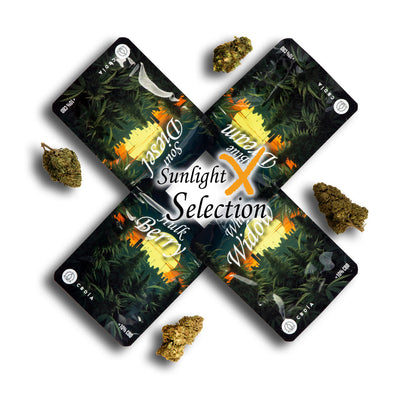
| In CBDÍA's range according to terpene profile | CBD flowers White Widow and Hulkberry; CBD hash Afghano and La Crème |
Where does the aroma compound occur?
The name derives from pinus, the Latin word for pine. Alpha- and beta-pinene are main components of turpentine oil from pine resin and shape the scent of pine forests. A 2019 review describes them as the most widespread monoterpenes and names sage, rosemary, pistachio and hemp alongside conifers. Juniper and myrtle also contain a lot of alpha-pinene.
In CBDÍA's range, the terpene profiles name pinene for example in the flowers White Widow and Hulkberry as well as in the hash varieties Afghano and La Crème. There it appears alongside myrcene, beta-caryophyllene, humulene, camphene or terpinolene. In these profiles, pinene provides the fresh, resinous top note over a spicy or earthy base note.
What role does it play in hemp?
Hemp forms pinene in the glandular hairs of the flowers. In the hemp variety Finola that was studied, (+)-alpha-pinene and (+)-beta-pinene were among the most common monoterpenes, together with myrcene, limonene and terpinolene. Among the larger sesquiterpenes, beta-caryophyllene led the way.
In the terpene profile of a strain, pinene stands for the fresh, resinous note reminiscent of pine needles and herbs. Together with the floral linalool or earthy myrcene, the overall aroma emerges. The values apply to a specific batch in each case, since pinene is volatile and cultivation, drying and storage change the content. At CBDÍA, the terpene profile is therefore stated alongside the laboratory certificate, country of origin, cultivation type and the THC content below 0.3 percent.
Alpha or beta: which form appears in the profile?
Many terpene profiles name only pinene, without stating the form. This is understandable, because both forms occur together in hemp and lie close together in scent. Laboratory analyses can separate them, however, and then report two values. Helpful for reading a profile:
- Alpha-pinene stands for the clear, resinous scent of pine trees.
- Beta-pinene smells greener and woodier.
- If only pinene is listed in a profile, both forms are usually combined.
As with all terpenes, the following applies: the value describes a specific batch. Two batches of the same strain can differ because climate, harvest time and drying change the content of volatile substances.
What research examines
Alpha- and beta-pinene are examined in many laboratory and animal studies. Reviews from 2019 and 2021 state that only a few clinical studies exist and that the evidence is predominantly preclinical. No statement about an effect can therefore be derived from the detection of pinene in a flower. The terpene profile describes the aroma of a strain, not its benefit.
This article is for general information purposes only and does not replace medical advice. Terpenes are described here as aroma and plant compounds, not as active substances. As of: September 2026.