




Anyone searching for the Cali Weed effect usually wants to know why Cali is considered especially strong and how much THC it actually contains. This article takes a factual look: what users describe, what research reports about THC content, why packaging figures are often inaccurate, and how Cali CBD flowers differ from it. You will deliberately not find consumption tips, dosage figures or sources for THC cannabis here.
Cali Weed Effects: what the term means
The Cali Weed effect is not a technical term. In forums and social networks it usually refers to the experience users attribute to THC-rich flowers from California or in the Californian style. Such descriptions are subjective: they say something about the expectations and impressions of individual people, but little about a specific batch.
It is therefore important to separate two different product worlds. Original Cali Weed is THC-rich cannabis, the trade and import of which are prohibited in Germany. This is to be distinguished from hemp flowers in the Cali style with a THC content below 0.3 percent, such as Cali Weed made from hemp at CBDÍA. What you read in the following sections about effects and potency relates exclusively to THC-rich cannabis.
The role of THC: what is described
THC (tetrahydrocannabinol) is considered the constituent of cannabis that triggers the intoxicating effect. With THC-rich flowers, users report altered perception and mood, but unwanted effects such as restlessness, a racing heart or feelings of anxiety are described just as often. How the experience turns out is not determined by the strain name, but among other things by the THC content, the person and the situation.

Research mainly examines the consequences of rising THC content. A systematic review from 2021 states that cannabis with a high THC content is associated with an increased risk of dependence and mental illness. That is exactly why the question of THC content is not a side issue, but the core of any factual assessment.
What role terpenes and expectation play
Besides THC, Cali flowers contain terpenes that shape aroma and flavour. Whether they also influence the experience is discussed under the keyword entourage effect and has not been conclusively settled scientifically. What is certain is only this: intense aromas, well-known strain names and eye-catching packaging shape expectations, and expectations colour every description. Which aromas are typical of individual lines is shown by our Cali strain list.
Cali Weed THC content: what is known about potency
The fact that Cali Weed is considered strong has a measurable background: the THC content of cannabis has risen over decades. In the US, an analysis of over 38,000 seized samples shows an increase in average THC content from around 4 percent in 1995 to around 12 percent in 2014. The authors attribute this mainly to the growing share of seedless flowers, so-called sinsemilla.
A meta-analysis of international data from 1970 to 2017 comes to a similar picture. According to it, the THC content of cannabis flowers rose on average by 0.29 percentage points per year, while the CBD content did not change measurably. There too, the increase is attributed to the greater market share of sinsemilla.
How much THC does Cali have? Why labels are not enough
There is no fixed figure for Cali Weed. Genetics, cultivation, harvest time, drying and storage change the content from batch to batch. On top of that, figures on packaging are not always reliable. In a study with flowers from dispensaries in Colorado, the measured THC content averaged around 15 percent, which is around 23 percent below the lowest figure on the label.
This discrepancy comes from a regulated market with mandatory testing. With goods that have no traceable analysis, the actual Cali THC content is even harder to estimate. Colourful packs, strain names or additions such as "exotics" therefore say nothing about the content. What lies behind such terms is explained in the article What is Cali Weed.
Cali CBD flowers: the Cali style without the high
CBDÍA's Cali CBD flowers come from hemp of certified varieties from the EU variety catalogue: the THC content is below 0.3 percent, and every batch is documented with a laboratory certificate. This meets the criteria for hemp described by the German Federal Office of Consumer Protection and Food Safety. Flowers with this THC content do not trigger a high the way THC-rich Cali Weed does. CBDÍA makes no claims about an effect of the Cali CBD flowers.

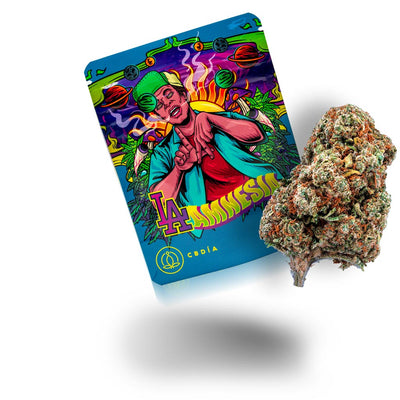
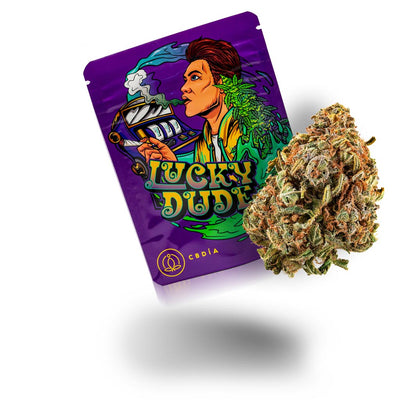
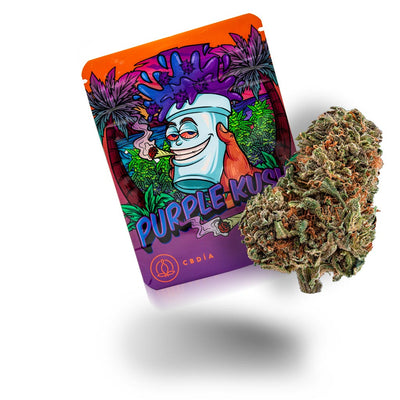
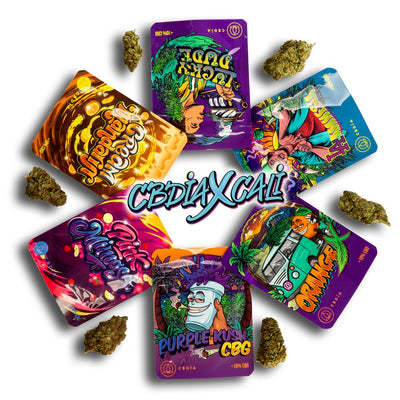
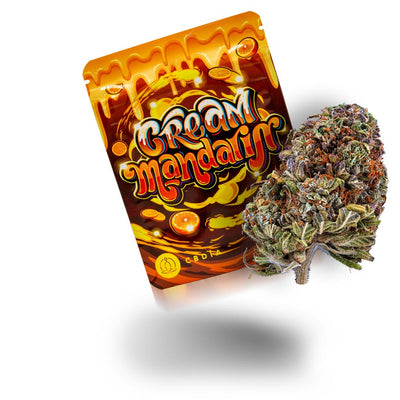
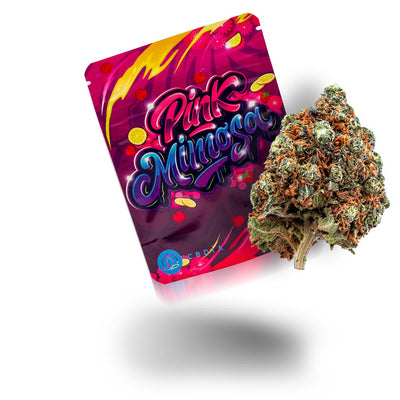
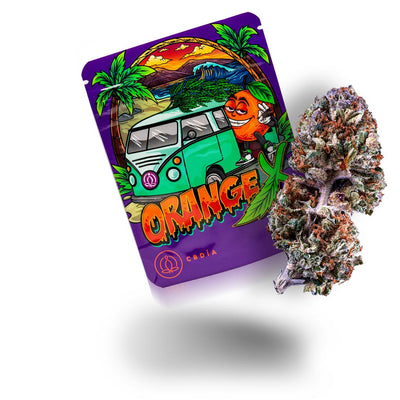
The flowers are grown indoors, depending on the variety in Switzerland or Austria; the country and cultivation method are stated for each product. The range includes the CBD flowers Cream Mandarin, Pink Mimosa, Orange X, L.A. Amnesia and Lucky Dude, as well as Purple Kush as a CBG flower, each in a 1g Cali pack, plus the Cali sample pack with several varieties.
Conclusion: reports put into factual context
The Cali Weed effect is based on user descriptions and depends above all on the THC content, which has risen markedly over the past decades. There is no blanket figure for Cali, and labels can deviate significantly from the measured value. Cali CBD flowers made from hemp are below 0.3 percent THC and are clearly separate from this.
Note: This article summarises descriptions and the state of research on THC-rich cannabis. It gives no consumption, dosage or usage recommendation, names no sources for THC cannabis and replaces neither medical advice nor legal advice. Sale only to adults aged 18 and over. As of: September 2026.