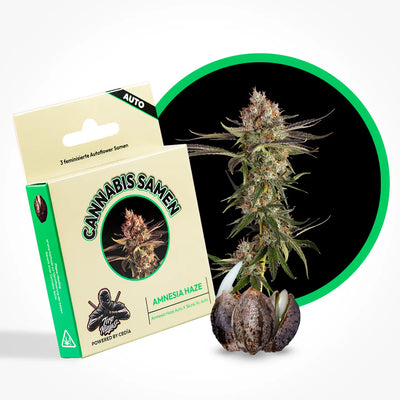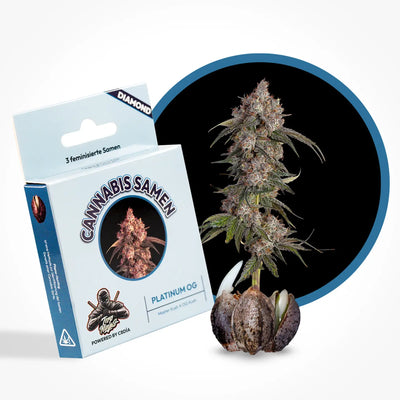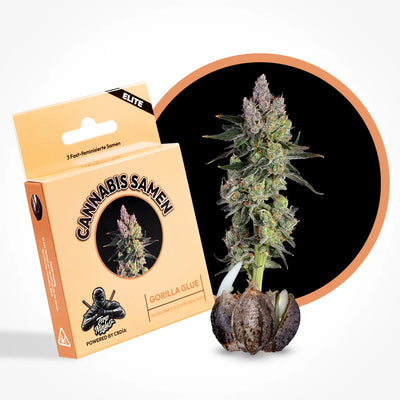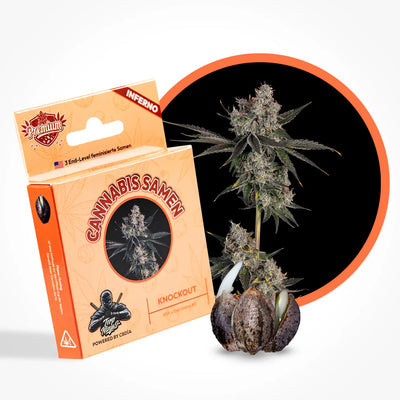






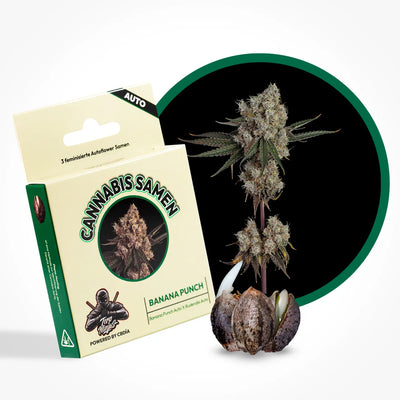
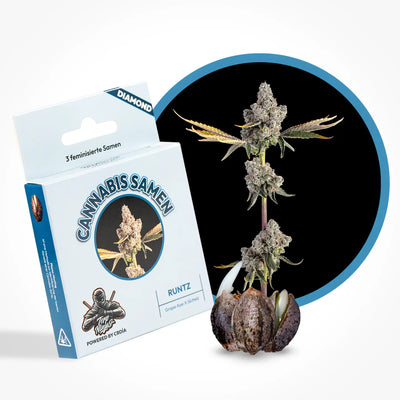
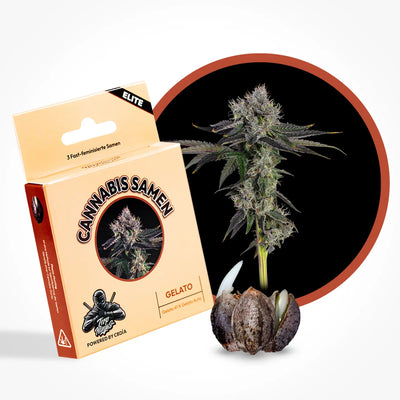
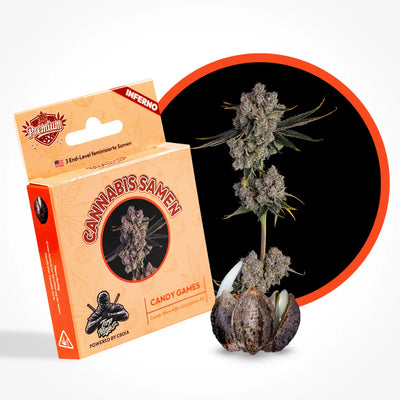
An outdoor cannabis plant in Germany works best if you don't plant it spontaneously, but plan its whole framework. This includes the right location, regional conditions, the strain type and a realistic timeline from sowing to harvest. Especially with outdoor cannabis growing, light, wind protection, soil and moisture determine how stably the plants develop.
Whether in a garden, on a sheltered terrace or in another suitable spot: your outdoor grow should suit your living situation and the legal framework. The choice between autoflower seeds and feminised strains also affects when the hemp ripens and how much care the grow requires. This guide shows you which points to clarify in advance, so cannabis can grow outdoors in as controlled, traceable and responsible a way as possible.
Planning an Outdoor Cannabis Plant: The Framework
You don't plan an outdoor cannabis plant through individual steps first, but through the overall framework. This mainly includes the legal framework: clarify what is currently allowed at your place of residence, how many plants are permitted, and whether they must be protected from access by third parties.
For outdoor cannabis growing, a sheltered, discreet location is important. Your plants need enough sunlight, but shouldn't be permanently exposed to strong wind, waterlogging or curious glances. The regional climate also plays a major role, because cool nights, heavy rain or an early autumn influence which strains make sense.
Also plan the basic supply: loose soil, reliable water and suitable nutrients are key factors for cannabis to develop stably outdoors. You shouldn't start off too complicated, but rather assess the conditions correctly: how warm is the spot, how quickly does the soil dry out, and how well can excess water drain away?
As a rough guide, a seasonal calendar is enough: starting seedlings or planting in spring, growth over the summer, and harvest in late summer or autumn, depending on strain and weather. This keeps the grow plannable.
Outdoor Cannabis Growing: Legal Framework in the Garden
Number of Plants, Residence and Protection from Third Parties
In Germany, outdoor cannabis growing has been subject to a narrow framework since the KCanG came into force. Adults may grow no more than three cannabis plants at a time in total at their place of residence or habitual abode. Protection against access by third parties is important, especially children and young people: you must make sure that plants in your care are not freely accessible, for example in the garden, on the terrace or in a greenhouse. Even where private cannabis cultivation may be permitted, passing harvested material or plants on to others remains prohibited. For specific questions, always check the current legal text.
CBDÍA, EU Industrial Hemp and Product Transparency
CBD products such as those from CBDÍA must be distinguished from home cultivation. They don't come from private plants but from EU industrial hemp varieties listed in the EU variety catalogue. Objective transparency means: origin with country and cultivation type, a lab certificate per batch, and a THC content under 0.3 percent. Products are sold only from age 18. This allows hemp as a raw material to be clearly distinguished from self-grown cannabis. As a rule of thumb: consider home cultivation, possession limits and product purchase separately, and keep up to date with the legal requirements.

What Conditions Does Cannabis Need Outdoors?
In outdoor cannabis growing, light, air, soil and moisture mainly determine how stably the plants develop. Outdoors, you can't control the weather, but you can choose conditions that reduce stress for your plants.
Location in the Garden: Sun, Space and Privacy
For an outdoor grow, a bright spot in the garden is important: plenty of sun and enough direct sunlight support healthy plants. At the same time, the plants need enough space so air can circulate and they don't stay permanently damp. A sheltered but not completely enclosed area reduces wind stress. Privacy screening is also relevant, so your plants aren't immediately visible and don't become easy for third parties to access. The spot should also be chosen to be as discreet as possible towards neighbours.
Correctly Assessing Soil and Water
The soil should be loose enough for water to drain and for roots not to sit in waterlogged conditions. Heavy, compacted soil often retains moisture for too long, while very sandy soil dries out faster. A balanced ratio of drainage, water retention and available nutrients is key. Watch how the plants react after rain or watering: if growth visibly lags behind or the soil stays wet for days, the outdoor location is probably unfavourable. Our guide on which soil for cannabis shows which mix suits a bed or a container.
Is Rain Bad for Cannabis Plants?
Rain is not automatically a problem for an outdoor cannabis plant. Cannabis plants are exposed to changing weather outdoors, and occasional rain is part of that. It becomes more critical when the plants stay permanently wet, there is little air movement, and the flowers remain damp for extended periods. This increases the risk of mould and pests. Instead of dramatising rain as a rule, you should regularly observe your plants and watch for signs of persistent dampness.
Strains for Outdoor Growing
Choosing Strains by Climate, Size and Flowering Time
The main differences between strains concern height, ripening time and weather tolerance. For outdoor cannabis growing, what matters is whether an outdoor cannabis plant can cope with cool nights, rainy spells and fluctuating humidity. Photoperiod plants can grow very tall and often need more time to flower; autoflowering varieties tend to stay more compact and suit smaller areas or limited space better. Large, dense flower structures can be more prone to problems in humid climates, while other genetics grow looser. The ideal choice is one that suits your location, privacy needs and the typical weather window for outdoor cannabis.
Seeds or Cuttings: What Does That Mean for Growing?
Seeds and cuttings mainly differ in terms of planning. Seeds first need germination and an early development stage, during which growth form and robustness become apparent. Growing plants from seed can therefore show more variation. Cuttings, by contrast, start out as already rooted young plants and often appear more uniform, because they come from a single mother plant. For the first few weeks, this means different requirements for timing, transport and site preparation. It's also important to clarify origin, strain and the legal framework beforehand.

Timeline for Outdoor Growing in Germany
An outdoor timeline is always just a guide: strain, location, weather and region determine how quickly your plants develop and when the next stage begins.
Growing Through the Year: From Planning to Flowering
Growing through the year usually starts with planning, before germination or raising young plants even becomes a topic. In the early stage, it's about your plants establishing themselves stably and getting used to light, wind and temperature. The growing season then follows: growth increases, and many plants form more leaf mass and a stronger framework. In outdoor growing, this stage is closely tied to day length and climate. As the days get shorter, the flowering stage gradually begins in photoperiod strains; some strains flower earlier, others later. The flowers then develop, while the grow becomes more strongly shaped by moisture and temperature.
Why Region and Weather Shift the Calendar
In outdoor cannabis growing, the calendar can vary considerably from one German state to another. In mild wine-growing regions, conditions are often favourable earlier, while higher-altitude or cooler locations require more patience. Late cold snaps, heatwaves, heavy rain or autumn dampness can slow growth and shift the harvest time. A sheltered location can also help reduce risks, but it doesn't replace ongoing observation. The question "when to harvest hemp outdoors?" therefore cannot be answered as a blanket rule based on fixed weeks. It's better to keep the grow flexibly planned: for example, with enough buffer, less pressure of expectation, and an eye on the weather, strain and signs of ripeness in your plants.
When to Harvest Hemp Outdoors
Signs of Ripeness Without a Fixed Calendar Guarantee
The question "when to harvest hemp outdoors?" cannot be answered with a fixed date. Every outdoor cannabis plant responds to genetics, location, temperature and how late summer unfolds. Early strains can look ready to harvest noticeably sooner than plants that flower for longer. What matters is the overall picture: how are the flowers developing, how vigorous is the plant, and does the weather still fit the ripening window? Anyone who checks regularly recognises changes better and can assess the harvest more realistically. Our guide on harvesting cannabis explains specifically how to judge ripeness.
Avoiding Common Mistakes Shortly Before Harvest
Shortly before harvest, many problems arise from overly rigid calendar expectations. Autumn dampness quickly creates pressure before your plants have truly made it stably through the final weeks. So you shouldn't focus only on a desired date, but on weather, plant condition and ripening development together. Pay particular attention to whether healthy shoots stay stable and whether persistent moisture could put stress on the flowers. Reacting too late can put your outdoor grow under unnecessary pressure.
Conclusion: Planning an Outdoor Grow Wisely
An outdoor cannabis plant doesn't succeed by chance: a legal framework, a sheltered location, an understanding of weather, and a strain type suited to your region are all crucial. Plan your garden grow realistically, instead of starting too early or harvesting too late. Whether outdoor cannabis growing makes sense for you also depends on how regularly you can check your plants.
The question "when to harvest hemp outdoors?" can only be answered by looking at signs of ripeness, weather and strain together. This way, you can guide your plants well through the season. You'll find a full overview of all the steps on the page about cannabis cultivation.
Legal notice: Home cultivation of cannabis is permitted in Germany under § 9 KCanG for adults with up to three plants at their place of residence; passing it on is prohibited. Not legal advice, status: September 2026.