





If you want to harvest cannabis, it is not a single day that decides, but the interplay of several characteristics: signs of ripeness on the plant, the condition of the flowers, and the subsequent handling of the harvested material. In this guide you will learn what to look for to assess the right harvest time, and why harvesting is only the first step. Which parts of the plant are harvested is explained in the guide on the cannabis plant.
Drying the cannabis harvest is also directly part of this: stable quality only develops through controlled drying and subsequent storage. That is why we regard cannabis drying and curing as a connected process, not as a minor finishing step after the harvest.
The focus is on growing knowledge, harvest processes and quality factors. This understanding also helps you later assess CBDÍA products more objectively, for example with regard to raw material quality, processing and careful post-treatment.
Harvesting cannabis: the right time
The question of when it makes sense to harvest cannabis cannot be pinned down to a single characteristic. Harvest timing for cannabis results from the interplay of trichomes, pistils, flower development and the information for the specific variety. The plant can already appear well developed on the outside, while the ripeness of the resin glands does not yet match the desired result.
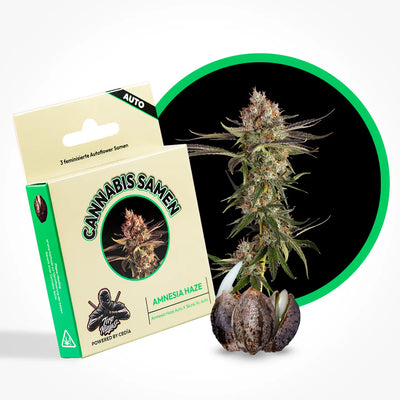
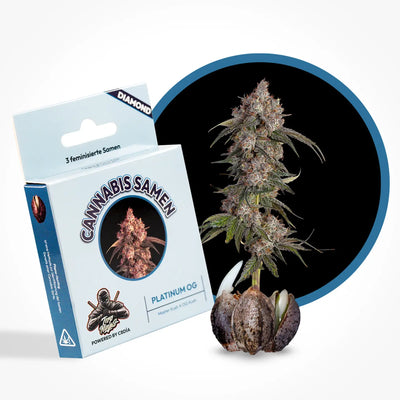
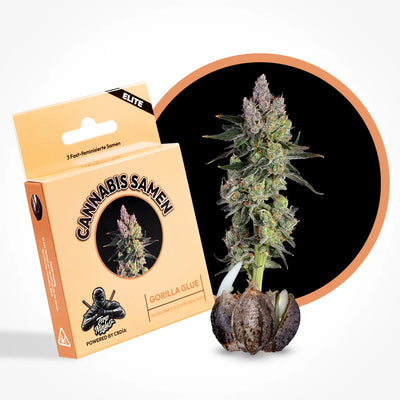
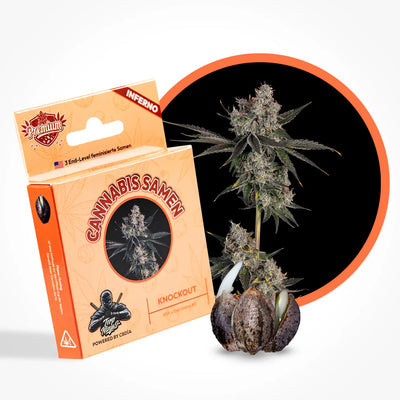
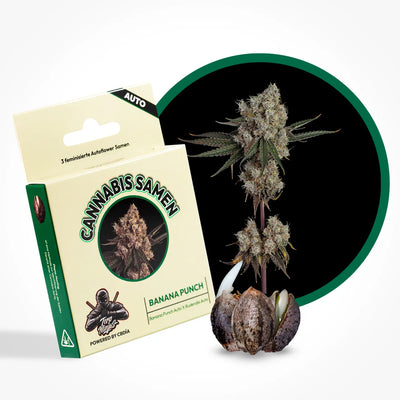
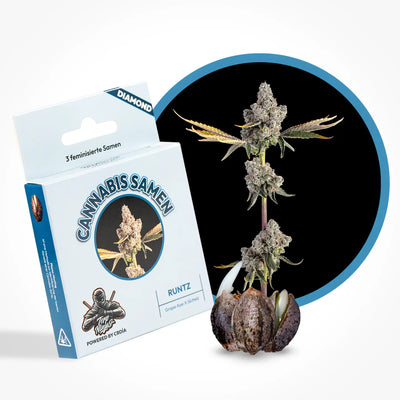
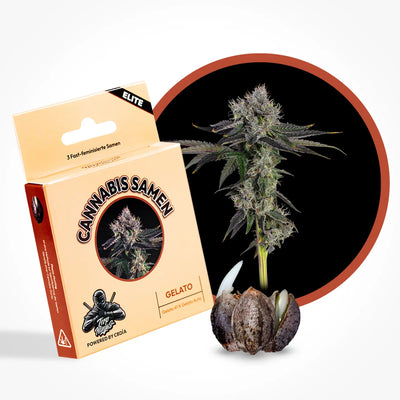
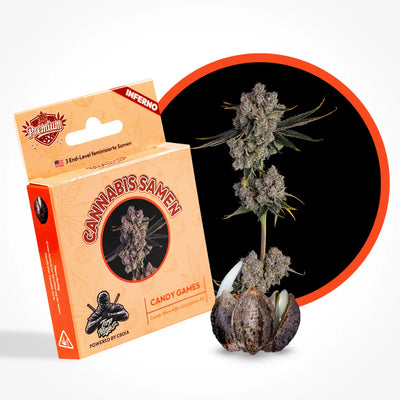
For the next round, you can find varieties from the EU variety catalogue among our cannabis seeds, and matching nutrients under cannabis fertiliser.
An important indicator is the trichomes: their colour and clarity show how far ripeness has progressed. The flowers also become denser, and the pistils increasingly change colour and retract. Nevertheless, you should not rely on just one sign, because light, temperature, nutrient supply and genetics affect each plant differently. The stated number of weeks for the flowering stage is therefore more of a guide than a fixed date.
Some varieties are ready after just a few weeks, others need two or more weeks longer than expected. If you want to harvest cannabis, it is best to check the plant regularly and combine several observations, rather than relying only on calendar dates. This makes the harvest more predictable and reduces the risk of cutting too early or too late.
The right harvest time: recognising trichomes
Harvest timing for cannabis cannot be reliably determined by calendar alone. Figures given in weeks only provide a rough guide, because variety, location, light, nutrient supply and the general condition of the plant can influence ripeness. That is why you should look closely at the flowers regularly, especially towards the end of the flowering stage. The most informative are the trichomes, meaning the small resin glands on the flowers and the areas of the plant near the flowers.
Correctly assessing trichomes
For harvest timing in cannabis, trichomes are an important visual indicator, because their resin heads change from clear through milky to amber during ripening. With a magnifying glass or a microscope, you can see whether the trichomes are still clear, already milky or partly amber. Clear trichomes look transparent and glass-like; milky ones appear cloudier and denser. Amber heads indicate a further change in ripeness. It is important to check several flowers at different points on the plant, because not every spot ripens at the same speed. Individual trichomes are not enough; what matters is the overall picture over several days.
Checking pistils, leaves and flowers as a supplement
If you are wondering when it makes sense to harvest cannabis, pistils, leaves and flowers can provide additional clues. Discoloured or retracted pistils often indicate advancing ripeness, but are not a reliable measure on their own. Flowers becoming more compact and slowing plant growth can also fit the overall picture. At the same time, stress, heat or nutrient problems can trigger similar signs. Therefore always check the flowers together with the trichomes, rather than deciding based only on colour, shape or individual leaves.

Preparing for the cannabis harvest
As with germinating cannabis seeds, good preparation helps you carry out the harvest calmly and cleanly. Check the room beforehand, get all tools ready, and observe the plant in the days before as attentively as when caring for cannabis seedlings. This helps you better recognise changes in your plant and plan the right step without having to improvise during the harvest.
What time of day is suitable for harvesting?
If you want to harvest cannabis, the time of day matters less than a process that is as low-stress as possible. Choose a time when you can work undisturbed and conditions remain constant. Direct, strong light, haste or frequent interruptions are unfavourable. It is best to prepare everything before you want to start, so the plant does not lie exposed for longer than necessary.
Cleanliness, tools and work surface
Working cleanly is an important building block for quality. Use a cleaned, sharp pair of scissors, a wipeable work surface and gloves if needed. Keep separate trays ready: one for flowers, one for leaves and trimmings. Only remove what you actually want to detach. If you want to remove leaves, work slowly and in a controlled way, so that no unnecessary damage occurs to your harvest.
How does the harvest work step by step?
The harvest follows a simple logic: check first, then cut, then continue working gently. Decide directly at the plant whether you take the whole plant down or cut individual branches; with unevenly ripe buds, the second method is often more practical. In the next step, you can remove the large fan leaves, so that air circulates better and the flowers are less obscured. Depending on the trim you want, sugar leaves either stay on the flowers for now or are removed later. What matters is the right calm pace throughout: do not cut hastily, move the plant as little as possible, and do not stack branches on top of each other, so the harvest is not crushed.
Wet trimming vs. dry trimming
With wet trimming, you remove many leaves directly after cutting, while they are still soft. This method gives you an early overview of the shape of the buds, but can be stickier and brings more moisture into the handling. With dry trimming, smaller leaves stay on for now; they are only removed after hanging. When drying the cannabis harvest, the buds therefore dry more slowly and somewhat more protected, and the appearance is corrected later. Both variants work if you work cleanly and evenly.
Cutting branches and protecting the flowers
If you want to harvest cannabis, make your cuts at stable points and avoid pressure on the flowers. Cutting individual branches is easy to manage, because you can carefully hold and hang each section. Hold the buds by the stem wherever possible, because resin and flower structure react sensitively to rubbing, crushing and unnecessary contact. Lay cut branches down briefly with space between them; you can remove everything else later.

Drying correctly after the harvest
After the harvest, drying largely determines how evenly moisture escapes from the flowers. For cannabis drying and curing, the rule is: work slowly, in the dark, and in a controlled way. A suitable room has little light, a stable temperature and constant humidity. The flowers should not be crushed and should have enough space between them. Depending on the plant, the cut and the method, this phase usually takes several days, often around one to two weeks.
Hanging the branches or drying individual buds
If you want to dry your cannabis harvest, you can hang whole branches upside down or lay out individual buds on a drying rack. Whole branches usually dry a bit more slowly, because more plant material holds moisture. Individual buds are practical if you have little space or the flowers grew very densely. In both cases, it is important that the flowers do not touch and that air can circulate gently. Direct airflow onto the flowers is less suitable.
Controlling temperature and humidity
When drying the cannabis harvest, stable values are more important than a fast result. Humidity that is too high can promote mould, while humidity that is too low dries out the outer areas of the flowers too quickly. This leaves residual moisture inside. A moderate temperature and even humidity support calm, even drying and preserve quality better. Typical signs of adequate drying are buds that appear dry on the outside and small stems that tend to snap rather than just bend.
What does curing mean after drying?
Curing describes the controlled post-ripening after drying: the flowers are stored in closed, clean containers so that the residual moisture inside the buds distributes more evenly. The first days are important because moisture is less noticeable on the outside, but can still be present inside. That is why humidity and condition are checked regularly. During curing, the aroma changes measurably: an analysis from 2021 observed that certain scent compounds reach their peak during post-ripening and decrease again during subsequent storage. When properly managed, the process mainly improves the traceability of the final condition.
Curing, aroma and terpenes
Anyone who views cannabis drying and curing as a connected process understands better why the storage phase is not just about keeping things. During curing, the aroma and taste of the flowers can develop more calmly, because moisture within the buds is balanced out. Terpenes are better preserved under controlled conditions, and the aroma profile appears less unbalanced. This allows quality to be judged more objectively, without drawing premature conclusions after just a few days.
Common mistakes with harvesting and drying
Common mistakes often arise because signs of ripeness from the cannabis flowering stage are assessed unclearly. If you want to harvest cannabis, you should not cut the plant too early: plants harvested early often show less pronounced characteristics, and the trichomes are often not yet clearly developed. Acting too early is one of the mistakes that can no longer be made up for later.
Mistakes happen not only when feeding cannabis, but also after the harvest. When it comes to drying the cannabis harvest, patience is especially important: the plant should not be artificially sped up by heat, strong light or draughts. Drying too quickly can cause the outer areas to appear dry already, while moisture remains inside. This increases the risk of problems rather than reducing it.
Another point is how you handle the flowers. Buds should be touched as little as possible, because pressure and friction can damage sensitive structures. You should only remove leaves carefully and not hastily. Observe the plant calmly, check the signs several times, and do not decide too early.
Conclusion: understanding harvest timing and quality
If you want to harvest cannabis, after choosing the right soil for cannabis and good care, what mainly counts is a careful assessment of ripeness: checking visible plant characteristics, planning the harvest cleanly, and then drying slowly afterwards. Cannabis drying and curing influence how quality, taste and stability develop. This knowledge also helps you assess finished varieties, for example in the CBDÍA shop: information such as lab certificate, origin, growing method, hemp from the EU variety catalogue, cannabinoid profile and terpene profile become easier to understand. This helps you better recognise which information is actually relevant for correctly evaluating cannabis products.
Legal notice on cannabis and CBDÍA
This article by Jona Decker serves only for general information about cannabis. CBDÍA products are aimed exclusively at adults aged 18 and over. The THC limit is always decisive: the THC content must be below 0.3 per cent; current evidence is also decisive for any statements on THC. For quality, what counts is a lab certificate per batch, transparent origin with country and growing method, hemp from the EU variety catalogue, and a verifiable cannabinoid and terpene profile.
Legal notice: private cultivation of cannabis is governed by Section 9 of the German Consumer Cannabis Act (KCanG): adults aged 18 and over may grow at most three cannabis plants at a time at their place of residence or habitual abode in Germany. This article describes gardening basics and is not a substitute for legal advice. No statements on effects, consumption or dosage. As of: September 2026.