





If you're searching for the Purple Skunk strain, you usually want to know what's behind the variety: what genetics shape it, what aroma is typically described, and how it fits within cannabis strains. That's exactly what this strain profile is about.
The focus is on origin, typical traits and the question of how the strain differs from other Skunk variants. We also clarify what Purple Skunk CBD means and which flower with purple hues CBDÍA actually carries. This way you can better judge whether Purple Skunk matches what you're looking for.
Purple Skunk Strain: Genetics, Origin and Aroma
Purple Skunk is a well-known cannabis strain whose name derives from two typical strain associations: "Purple" refers to purple hues that can appear depending on phenotype and growing environment, while "Skunk" stands for a classic genetic line with a distinctive, spicy profile. If you're searching for the Purple Skunk strain, you'll usually find descriptions of a strain with a Skunk connection, fruity-earthy notes and a visual closeness to purple varieties. The exact Purple Skunk strain can be described differently depending on the provider, because breeding lines, crosses and phenotypes are not always named consistently.
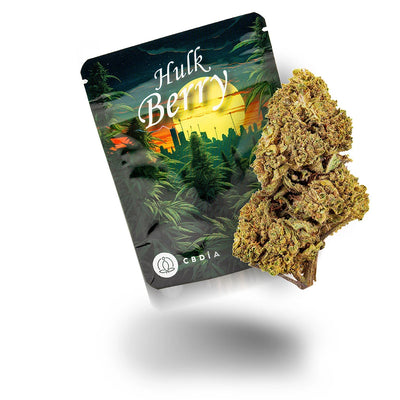
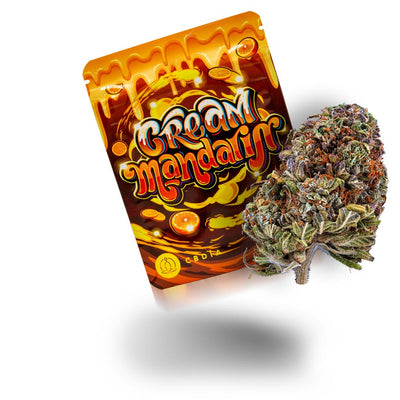
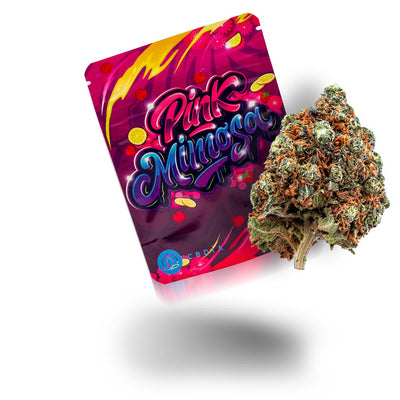
CBDÍA does not carry a Purple Skunk CBD flower. Also known for its purple hues is the Purple Haze strain. You'll find the current selection of CBD flowers from EU industrial hemp, with a lab certificate per batch and THC below 0.3 percent, under CBD flowers.
This strain profile is therefore mainly about classifying Purple Skunk: what genetics is often cited, how can the aroma be described, and what does Purple Skunk CBD mean in practice? The legal distinction matters here. In Germany, CBD products are only relevant if they comply with the permitted THC limit of 0.3 percent; such products are also only sold to adults aged 18 and over. Purple Skunk is therefore not a uniformly protected term, but a strain name that you should always view in the context of origin, analysis values and product category.
What genetics does the strain have?
The Purple Skunk genetics is usually described as a hybrid classification: it combines a Skunk line with Purple traits, without this automatically resulting in a uniform indica or sativa share. With the Purple Skunk strain, it's therefore worth looking at the specific strain profile.
Skunk line and Purple traits
The name Purple Skunk first refers to the Skunk origin: this line is known for distinctive, spicy to earthy aroma families and often shapes a strain's profile. That doesn't mean, however, that every variant turns out identical. The addition "Purple" mainly describes visible, strain-typical traits, such as darker colour nuances, which can be more or less pronounced depending on genetic background. Purple is not a quality promise and by itself says nothing reliable about potency or overall character. What's decisive is the specific Purple Skunk genetics of the particular offering, because crosses, selection and manufacturer information classify the strain picture more precisely.
Is Skunk a sativa strain?
Skunk is often associated with sativa, but is not automatically a pure sativa strain when it comes to the difference between sativa and indica. Many Skunk strains are hybrid lines that can contain both indica and sativa shares. The Purple Skunk strain, too, should therefore not be assigned to a category across the board. If you're looking for precise information, it's best to check the specific genetic profile, because terms like "hybrid" can be defined differently depending on the product.

What does it taste like? Aroma and flavour
The Purple Skunk strain is usually described with a strong, rather classic cannabis aroma. Depending on the batch, the profile can turn out somewhat darker, spicier or slightly sweetish. For classification, aroma, flavour and the underlying natural aroma compounds matter more than blanket flavour promises.
Terpenes as the basis of the aroma profile
With Purple Skunk, terpenes help shape the aroma profile; however, according to a 2021 analysis, the typically skunky smell is mainly due to volatile sulphur compounds. These natural compounds occur in many plants and influence whether a strain smells more earthy, spicy, fresh or sweetish. Importantly, the specific profile can vary from batch to batch, because cultivation, drying, storage and genetics interact. Alongside the cannabinoid profile, the terpene profile is therefore also regarded as a quality building block if you want to compare a strain objectively. A documented aroma doesn't say how intensely you personally perceive it.
Typical notes: earthy, spicy, skunky
Typical notes of Purple Skunk are earthy and spicy impressions, often complemented by a clearly skunky character. Some descriptions additionally mention slightly sweetish or berry-like notes, which however strongly depends on the particular terpene profile. The flavour is therefore usually classified as sharp, dense and rather robust, not purely fruity. Such notes help you classify the strain sensorially, without deriving a universally valid judgement from it.
Is there a CBD variant of the strain?
Yes, Purple Skunk CBD can be offered as a CBD variant that picks up the aromatic profile of the well-known Purple Skunk. A clean classification matters here: a CBD product is not the same as the THC-rich Purple Skunk strain from classic strain descriptions.
CBDÍA shop: what to look for in the product
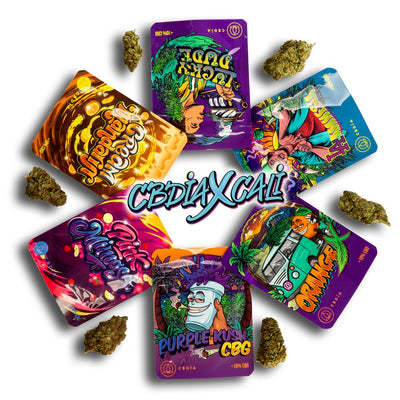
At CBDÍA, you'll currently find purple hues in Purple Kush: a Cali strain from Austrian indoor cultivation whose flowers appear in a deep dark violet, listed as a CBG flower from EU industrial hemp. If you're looking at a CBD flower at CBDÍA, it's worth taking a close look at the product page. Check whether batch, analysis certificate, origin and aroma profile are stated transparently. What matters is what's analytically proven; general assortment notes don't replace a clear cannabinoid analysis. A CBD variant can aromatically pick up typical Purple Skunk notes, but should not be equated with a THC-rich strain.
Legal framework: 0.3 percent THC
For Purple Skunk CBD, the following applies: the THC content must stay below the statutory limit of 0.3 percent. So look out for the stated THC values in the analysis of the particular batch. Sale is only to adults aged 18 and over.

Which quality traits are important?
Lab certificate per batch
With Purple Skunk CBD, a lab certificate per batch is a key transparency feature. It shows which cannabinoid values were actually measured and whether the THC limit is being met. It's important that the batch number on the certificate and the packaging match. This lets you verify the stated cannabinoid profile, instead of relying only on strain names or general product texts.
Origin, cultivation method and EU industrial hemp
Reputable information states the country of origin, the cultivation method and, ideally, whether it is industrial hemp from the EU variety catalogue. This is also relevant for Purple Skunk CBD, because the name Purple Skunk alone says nothing about origin or quality. What matters is that the information on growing conditions is verifiable. For CBD products, clean documentation is what counts most.
Checking the cannabinoid and terpene profile
The profile connects strain, aroma and transparency. A reputable product page should provide information on the cannabinoid share, terpenes and the complete profile. With Purple Skunk CBD, this profile helps you better understand the aromatic classification, without deriving effect claims from it. Responsible classification, for example by Jona Decker, should remain factual and clearly separate analysis values from strain description.
Related strain profiles: G13 Strain and Frozen Black Cherry Strain.
Conclusion: strain and CBD variant
The Purple Skunk strain stands for a variety in which classic Skunk genetics is combined with a clear Purple connection. For you, what mainly matters is this: Purple Skunk is usually classified via its distinctive aroma, its origin and its genetic profile, not via blanket promises. Depending on the breeding, scent, appearance and terpene profiles can turn out differently, which is why specific information always depends on the particular product.
If you're interested in Purple Skunk CBD, you should pay particular attention to verifiable lab values, transparent origin and a clear description of the cannabinoid and terpene profile. A CBD variant is not automatically identical to THC-rich Purple Skunk lines, but should be seen as its own expression of the strain. CBDÍA does not carry a Purple Skunk CBD flower; the CBD flowers in the range carry information on analysis values and strain profiles, so you can objectively compare similar profiles.
Note: This strain profile describes the variety botanically and aromatically. It contains no statements on effects, consumption or dosage. Sale only to adults aged 18 and over. As of: September 2026.