




Purple Haze is one of the best-known names in the cannabis world and is often associated with purple flowers, a striking aroma and the Haze family. In this strain profile, we look at what's behind the strain: where Purple Haze comes from, which genetic lines it is attributed to, and why flowers can look purple under certain conditions.
We also cover the typical aroma profile, the botanical classification and how the Purple Haze strain is classified as a CBD flower. The focus is on origin, plant characteristics and terpenes as fragrance compounds, not on consumption or effects.
Purple Haze Strain: Name, Origin and Classification
Purple Haze is a well-known strain name and at the same time a culturally charged term. As a Purple Haze strain, a profile is usually described that combines Sativa-leaning Haze traits with a striking, partly purple appearance.
It's important to note: Purple Haze doesn't always refer to exactly the same genetics. Depending on breeder, growing method and product, the strain can turn out differently.
Purple Thai and Classic Haze Genetics
The exact origin of Purple Haze cannot be clearly traced back to a single source. The Purple Haze strain is often described as a combination of classic Haze lines and a Purple Thai connection. Purple Thai here stands more for an often-cited genetic direction than for a firmly documented lineage. Haze itself is a strain family that developed through early crosses, seeds passed on and various selections. This is why the genetics can vary depending on the line. How Sativa, Indica and hybrids fundamentally differ is explained in our article on the difference between Sativa and Indica.
What Does the Name Mean?
The name describes two levels: “Purple” refers to the possible purple colouring of the flowers, which can become visible depending on genetics and growing conditions. “Haze” places the strain in the Haze family, known for its aromatic, often complex character. Purple Haze is also frequently associated with the song of the same name by Jimi Hendrix. This cultural reference is considered an obvious explanation for the name, but should not be confused with a confirmed botanical origin.
Why Do the Flowers Look Purple?
Anthocyanins, Temperatures and Purple Buds
The purple colouring of Purple Haze is mainly linked to anthocyanins. These are natural plant pigments that can become visible depending on genetic predisposition, ripening stage and cellular environment. In a plant with the corresponding trait, this shows up as shades from reddish to purple. Temperatures and light conditions can also influence how clearly these pigments emerge. Not every phenotype develops the same intense shade; sometimes only individual areas of the flower appear darker while others stay green.
Why Colour Is Not a Quality Indicator
As striking as purple flowers look, colour alone says nothing about quality. What matters more is traceable origin, clean processing, a coherent aroma and verified lab values for the cannabinoid profile. Green flowers can be high quality too. So understand colour as a visual trait, not a quality promise. It's similar with the related strain profile Purple Skunk, whose name also refers to the colouring.

Aroma and Terpene Profile
Sweet, Earthy and Spicy Notes
In terms of flavour, Purple Haze is often described as layered. Sweet impressions reminiscent of ripe berries or grapes tend to dominate, together with a slightly floral scent. Earthy accents give the profile depth, and spicy nuances are typical of many Haze lines. Depending on the batch, the aroma can lean more fruity, floral or herbal.
Terpenes as Fragrance and Flavour Compounds
Terpenes are natural aroma compounds of the cannabis plant and shape the fragrance and taste of a flower. In Purple Haze, they explain why individual samples are perceived as more fruity, floral or bitter. Myrcene, for example, is often associated with earthy and herbal notes. Cultivation, drying and storage also influence how intense the aroma ultimately is.
The Plant: Growth and Flowering Time
In strain descriptions, Purple Haze is usually classified as a Sativa-dominant Haze variety. The plant is often described as growing rather slender, with longer internodes, narrow leaves and an airy bud structure. Height can vary considerably depending on the phenotype. Flowering time tends to be longer for classic Haze lines than for compact Indica strains; specific week figures differ depending on the line and source.

Classification within the Haze Family
Purple Haze is just one of many strains with Haze in the name. You can find an overview of the origin and characteristics of the whole line in the article on Haze strains. One of the best-known relatives is Amnesia Haze, which also stands for a citrusy, spicy Haze profile but is described without the purple colouring.
Purple Haze as a CBD Flower
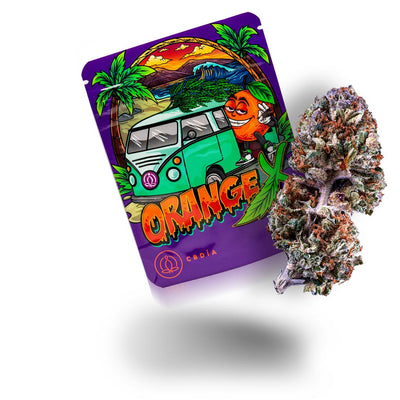
CBDÍA does not currently carry Purple Haze as a CBD flower; you'll find the current selection under CBD flowers. When comparing a CBD flower with Haze character, verifiable characteristics count: aroma, visual impression, origin with country and growing method, and the lab certificate for the respective batch. The THC content of CBD flowers is below 0.3 percent, and sale is only to adults aged 18 and over.
Conclusion: The Strain in Objective Terms
Purple Haze combines a well-known Haze heritage with purple tones that arise mainly from genetics and growing conditions. The strain stands for a sweet, spicy aroma and a Sativa-leaning profile. As a CBD flower, what counts most is the transparent documentation of origin and lab values.
Note: This profile describes the strain botanically and aromatically. It contains no statements about effects, consumption or dosage and does not replace legal advice. Sale only to adults aged 18 and over. As of: September 2026.