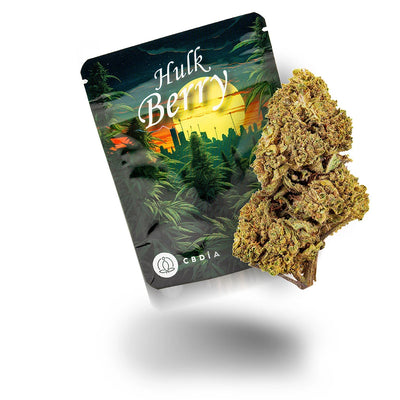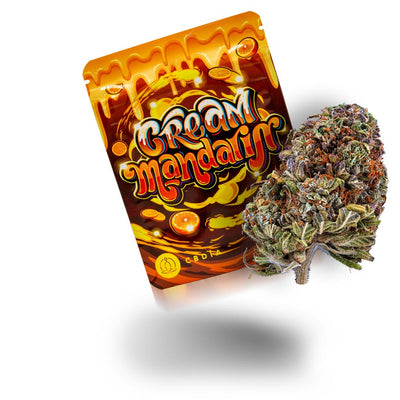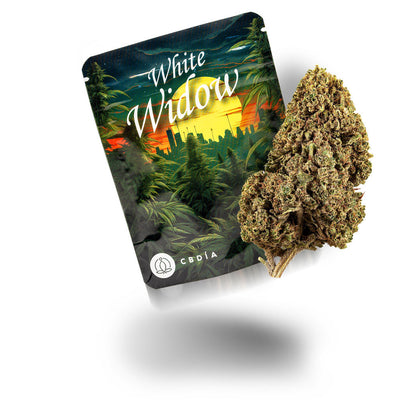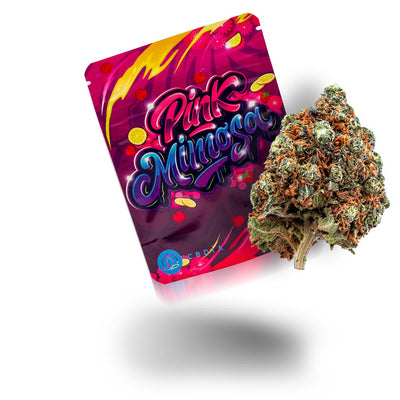


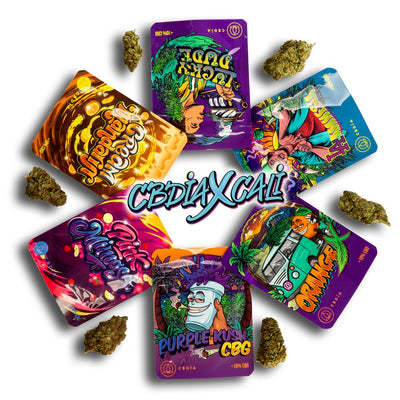
Anyone looking into CBD flower origin quickly runs into several questions: where do CBD flowers come from, under what conditions do they grow, and how can verified quality be traced? This article takes a factual look at the origin, cultivation and verification chain of CBDÍA flowers. The focus is not on health, consumption or usage claims, but on transparent criteria along the supply chain.
What matters most is the origin of the flowers, the respective cultivation method, a lab certificate for each batch, and the documented profiles of the CBD flowers. This also includes checking whether the THC content lies within the applicable limits. That makes it easier to assess which information suppliers disclose and which evidence should be available for CBD flowers. CBD is not viewed in isolation here, but in connection with strain, batch and analysis values.
Where do CBD flowers come from?
Where do CBD flowers come from? In principle, they come from approved industrial hemp, meaning hemp plants specifically cultivated as an industrial and utility crop. What matters most for CBD flower origin is the country of origin, the strains used and the growing environment. In Europe, the EU variety catalogue for industrial hemp plays an important role here, as it provides guidance on which hemp strains are intended for legal cultivation.
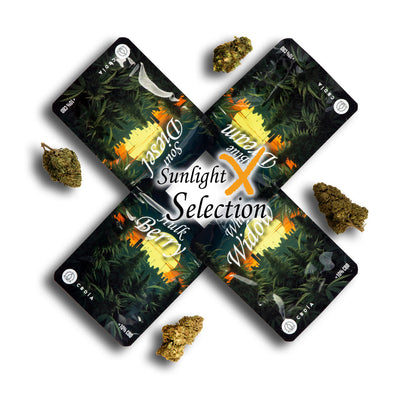
At CBDÍA, origin and cultivation method are disclosed transparently, so it remains traceable where the flowers were grown and under what conditions. As a rough guide, there are three lines: Cali comes from Austria and is cultivated using indoor growing. Sunlight X Selection comes from greenhouse cultivation, which combines natural light with protected conditions. CBDÍA Selected is produced using glasshouse cultivation, likewise in a controlled, light-permeable environment.
This classification is helpful for consumers, because CBD flowers can be shaped differently depending on the cultivation method. Origin alone does not replace lab verification, but it is an important first indication of transparency and traceability for CBD flowers.
CBD flower origin: what counts?
Transparency does not start with general quality promises, but with verifiable information. For CBD flowers, the most relevant documents are those that show where the plants were grown, which strains were used, and whether the flowers can be assigned to a specific batch.
Origin: country, batch and cultivation method
For CBD flower origin, precise information is more helpful than phrases such as “from Europe” or “controlled cultivation”. What is meaningful is the country, the cultivation method such as indoor, greenhouse or outdoor, and a batch number that allows every delivery to be assigned exactly. This makes it easier to verify the origin of the flowers. For consumers in Germany, it is also relevant whether CBD flowers were documented during cultivation and processing. That says more about quality than vague claims on the market.
Information on the EU variety catalogue
The reference to industrial hemp from the EU variety catalogue is an important indication of documented strains and traceable origin. “EU variety catalogue for industrial hemp” means that the hemp, or Cannabis sativa L., comes from listed strains. This concerns the hemp plant itself, not automatically every later statement about CBD, cannabidiol or flowers. Such information does not replace legal advice, but it helps to distinguish CBD flowers from cannabis with unclear documentation.
CBD flower cultivation: indoor, greenhouse, glasshouse
In CBD flower cultivation, indoor, greenhouse and glasshouse mainly describe the environment in which the plants grow. Light management, climate, humidity and protection from external influences can affect how reproducible the flowers, aroma, scent and freshness turn out to be. Strains of the cannabis plant also react differently to natural conditions and controlled parameters.
Indoor: Cali from Austria
The Cali line is classified as indoor cultivation from Austria. Here, CBD flowers grow in a highly controlled environment in which light, temperature and air movement can be specifically regulated. When comparing CBD flowers from indoor and greenhouse cultivation, indoor mainly stands for consistent conditions throughout cultivation, without automatically implying any assessment of quality or use.
Greenhouse: Sunlight X Selection
Sunlight X Selection is classified as a greenhouse line. In this protected cultivation, the flowers receive daylight, while greenhouse structures can protect against weather, strong wind or excessive moisture. This combines natural light conditions with controllable factors such as ventilation and climate. Here too, the description refers to the origin and cultivation method of the CBD flowers.
Glasshouse: CBDÍA Selected
CBDÍA Selected stands for a glasshouse line. Glasshouse refers to a transparent description of the cultivation method, in which plants are grown in a protected, light-permeable environment. For CBD flower cultivation, it is relevant that such systems can moderate climate influences while also allowing the use of light. What matters is not a blanket judgement, but the traceable classification of the CBD flowers.
How can verified quality be recognised?
Verified quality in CBD flowers is shown above all by verifiable documents. This includes information on CBD flower origin with country and cultivation method, a reference to industrial hemp from the EU variety catalogue, and analyses of cannabidiol, THC and other ingredients. High-quality products make this data available batch by batch.
Lab certificate per batch
A lab certificate should relate to the specific batch, not just generally to a product line. Ideally, a separate lab certificate is available for each batch, showing all relevant values: CBD content, THC content, other cannabinoids and terpenes. All analyses can be viewed under CBDÍA lab certificates. This makes it possible to check whether the documented quality of the respective CBD flowers matches the information on the packaging.
THC below 0.3 percent
The THC limit is a clearly verifiable parameter. In Germany, strict requirements apply to marketable CBD flowers; the THC content should be shown in the analysis report as below 0.3 percent. It is important that THC is not just mentioned in general terms, but documented with a measured value, method and reference to the batch.
Cannabinoid and terpene profile
A cannabinoid and terpene profile creates transparency about the spectrum of a batch. In addition to cannabidiol, the profile shows other cannabinoids and terpenes, which can, among other things, describe the documented aroma. For assessing quality, it is not only the CBD content that matters, but also whether the CBD flowers were analysed completely and traceably.
Which CBDÍA strains are there?
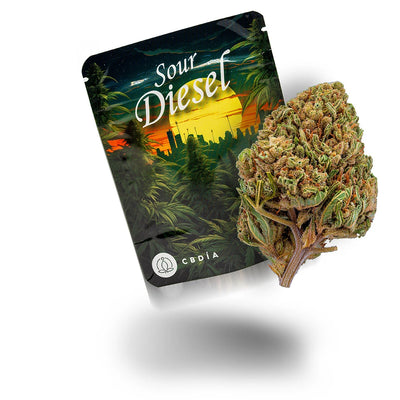
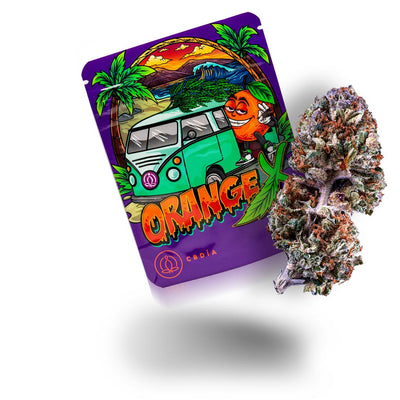
CBDÍA organises its strains into several lines, which provide an initial guide to classifying the flowers. The Cali line stands for selected profiles with clearly documented origin information. Sunlight X Selection classifies strains that, depending on the batch, can come from controlled growing environments. CBDÍA Selected brings together further products in which documentation, analysis values and strain profile are the main focus.
For assessing individual CBD flowers, the name of the line matters less than the traceable CBD flower origin. Information on the cultivation method, such as CBD flowers from indoor or greenhouse cultivation, along with lab reports and batch documentation, helps to compare strains objectively. This includes, among other things, descriptions of cannabidiol, other cannabinoids, terpenes and the respective aroma. Customers who want to buy CBD should check such information before purchase, without drawing any medical conclusions from it. This allows flowers within the lines to be compared transparently.
What evidence should be available?
For a traceable CBD flower origin, documentable information should be available for each batch. This includes a current lab certificate that shows not only the CBD value, but also cannabidiol, other cannabinoids and the THC content. It is also important to have evidence that the plant material comes from approved industrial hemp, ideally with reference to the EU variety catalogue for industrial hemp. The THC value must be below the applicable limit of 0.3 percent. Reputable information also states the country of origin, the cultivation method, such as indoor, greenhouse or outdoor, and the specific batch.
Readers can usually check this information directly on the category page, on the product, or in the enclosed analysis certificate. For CBD flowers, cannabidiol, relevant cannabinoids and terpenes should be listed transparently, as they allow conclusions about composition and strain profile. Terpenes do not replace proof of quality, but they complement the profile of the CBD flowers. This article assesses only verifiable product data and is not a review of health effects. In the end, what counts for quality is whether the lab report, origin information, strain evidence and THC compliance match each other and are traceable per batch.
Conclusion: check origin before buying
The conclusion is clear: anyone wanting to classify CBD flowers should pay attention not only to appearance and aroma, but above all to traceable information on CBD flower origin, CBD flower cultivation and independent lab testing. What matters is transparent information on lines, batches, certificates and cannabinoid profiles. This makes it easier to assess where the flowers come from and whether the documented quality matches one’s own expectations.
At CBDÍA, this information is provided in a structured way so that you can compare CBD flowers objectively before you decide to buy them. It is best to check each batch consciously, rather than relying solely on general descriptions.
This article is not legal advice and does not replace an individual review of the current legal situation; last updated: August 2026. CBD flowers are sold exclusively to adults aged 18 and over. This is not associated with any medical classification or consumption recommendation.