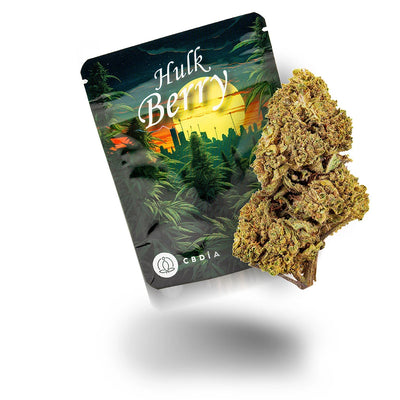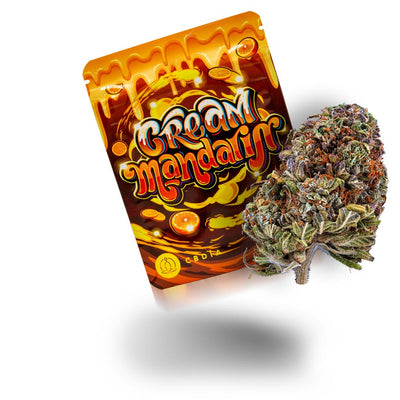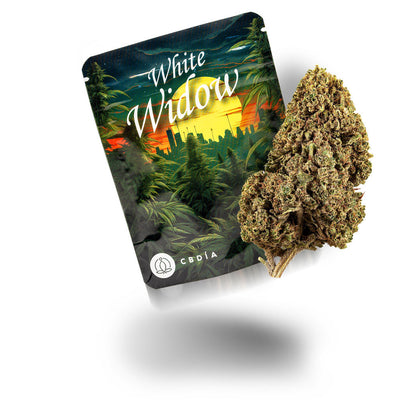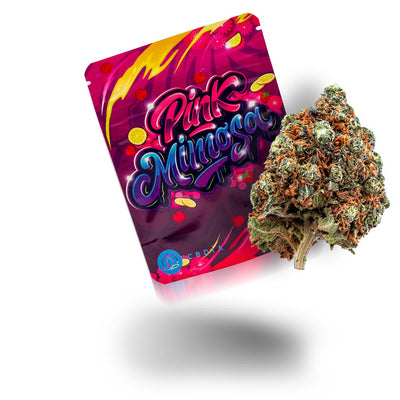







Gorilla Glue, also known as GG4, is one of the strain names that come up frequently in the cannabis world. If you're searching for the Gorilla Glue strain, you'll quickly come across differing information on origin, profile and classification. That's exactly where this strain profile comes in: you'll learn what's behind the Gorilla Glue variety, why the GG4 strain is mentioned so often, and what role genetics, aroma and terpenes play in its description.
We also clarify what's meant by Gorilla Glue CBD and how CBD variants can differ from THC-rich descriptions. References to Gorilla Glue, Gorilla, Glue and GG4 here relate to strain information; sale of the corresponding products is intended exclusively for adults aged 18 and over.
Gorilla Glue Strain: Genetics, Origin and Aroma
Gorilla Glue is a well-known cannabis strain that is usually classified as a hybrid. When people talk about the Gorilla Glue strain, it's often about GG4, also called Original Glue. The GG4 strain stands for a specific line within the Gorilla Glue family, while the name Gorilla Glue is often used somewhat more broadly in everyday use. That's why information on genetics, aroma and expression can vary slightly depending on provider or description.
CBDÍA does not currently carry Gorilla Glue as a CBD flower; you'll find the current selection under CBD flowers.
The Gorilla Glue strain owes its name to its particularly sticky flowers, which can be coated in resin. "Glue" therefore alludes to this adhesive, resinous structure, not to a consumption recommendation. Gorilla is typically described with earthy, spicy and sometimes diesel-like notes, though the exact profile depends on the particular strain. Alongside THC-oriented descriptions, you'll now also find Gorilla Glue CBD variants. Such a Gorilla Glue CBD strain usually picks up the well-known aroma direction and the strain name, but is aimed at a different cannabinoid profile than classic GG4.
What genetics is behind it?
Chem Sister, Sour Dubb and Chocolate Diesel
According to breeder information, the Gorilla Glue genetics is traced back to three parent lines: Chem Sister, Sour Dubb and Chocolate Diesel; this lineage has not been scientifically verified. In such trade descriptions, Chem Sister represents the closeness to the Chem family and often brings spicy, slightly chemical notes into the profile. Sour Dubb adds a sour-sharp direction that makes Gorilla Glue's character distinctive. Chocolate Diesel combines diesel-like sharpness with darker, slightly chocolatey undertones. This makes Gorilla not one-dimensional, but a combination of earthy, sour and fuel-like scent notes, in which, alongside terpenes, other volatile compounds are also involved. If you compare Gorilla Glue with other strains, Chem Sister, Sour Dubb and Chocolate Diesel explain well why this strain is so often described so intensely.
Is the strain sativa or indica?
The Gorilla Glue strain is usually classified as a hybrid of sativa and indica. A clear-cut sativa or indica pigeonhole is difficult, because different providers can give different information about the strain. It's therefore more sensible to understand Gorilla Glue as a balanced to strong hybrid, without claiming exact percentage values.
GG4, Original Glue and the name
The GG4 strain is one of the best-known names for Gorilla Glue. Original Glue is also frequently used, especially when referring to the original line. The name alludes to the resinous, sticky flowers that can stand out when processed. GG4 and Gorilla Glue therefore often mean the same profile in everyday use, even though providers use the name differently.

What does it taste like? Aroma and terpenes
In a cannabis context, Gorilla Glue is described above all via a strong, rather dark aroma profile. The flavour can come across as earthy, spicy and diesel-like, sometimes with sweetish or slightly sour accents. How clearly individual facets come through depends on the phenotype, the ripeness of the flowers, the drying process and the particular terpene profile.
Typical notes: diesel, earth and sweetness
The Gorilla Glue strain often shows a heavy aroma with earthy, resinous and spicy components. Typical is a diesel-like sharpness that can be reminiscent of fuel or solvent, without being equally dominant in every variant. Some expressions additionally bring sweetish notes, occasionally described as chocolate. Other phenotypes come across as more sour, that is, slightly tart or zesty. This means Gorilla Glue's aroma isn't one-dimensional: Gorilla, Glue and GG4 are perceived somewhat differently depending on origin, cultivation and processing.
Why the terpene profile matters
Terpenes are natural aroma carriers and shape how a strain smells and tastes. With the Gorilla Glue strain, the terpene profile helps classify variants better and make the sensory quality more comprehensible. A documented cannabinoid and terpene profile shows which profiles characterise a batch, rather than working with strain names alone. This is particularly relevant for you when comparing Gorilla Glue products: the aroma may be named similarly, but the terpenes and their weighting differ significantly.
Why potency is not a quality promise
Rankings that call Gorilla Glue "strong" often reduce the strain to individual lab values. More meaningful are transparent details on genetics, origin, cannabinoid and terpene profiles, and cleanly documented analyses. With the GG4 strain too, what remains decisive is which batch is being considered and how openly the provider provides data. Quality therefore lies more in traceability than in superlatives.
THC limit for CBD flowers
Different standards apply to Gorilla Glue CBD than to a THC-rich cannabis strain. In the CBDÍA context, the corresponding flowers may contain a maximum of 0.3 percent THC; the relevant THC value is therefore below the statutory limit. Such products are classified as CBD flowers made from industrial hemp and are to be distinguished from classic cannabis strain variants. Sale is only to adults aged 18 and over.
Is there a CBD variant of the strain?
Yes, Gorilla Glue is also available as a CBD variant. This isn't about the classic THC-rich context for which the Gorilla Glue strain became known, but about CBD flowers that are aromatically modelled on the Gorilla Glue variety. The focus is on an earthy, resinous profile and a classification that remains comprehensible for CBD-interested cannabis buyers.
What to look out for in CBD flowers
When choosing Gorilla Glue CBD, you should pay less attention to the name alone and more to transparent product data. Important are a lab certificate per batch, information on origin with country and cultivation method, and a note on EU-catalogue industrial hemp. Cannabinoid and terpene profiles additionally help classify the strain objectively: how high is the CBD content, which other cannabinoids are stated, and which terpenes shape the aroma? The stated THC value should also be clearly verifiable. This lets you better judge whether Gorilla Glue CBD matches the profile you're looking for.
CBD variant instead of the classic GG4 strain
The GG4 strain, often also called Gorilla Glue, originally comes from a THC-rich cannabis environment. A legal Gorilla Glue CBD variant is therefore not identical to classic GG4, but a CBD-oriented interpretation with a maximum of 0.3 percent THC. It picks up typical aroma echoes of the Glue line, but remains clearly distinct from the original Gorilla genetics in cannabinoid profile, context of use and legal classification.

Which quality evidence is important?
With a Gorilla Glue strain, it's not just the name that counts. Jona Decker classifies such information factually: what matters are verifiable evidence rather than blanket promises, such as origin, batch analyses and transparent information on cannabis constituents.
Origin, cultivation method and EU industrial hemp
For Gorilla Glue CBD, you should be able to trace which country the raw material comes from and whether it comes from indoor or outdoor production. This information describes the quality and origin context, but is not a cultivation guide. Reputable providers also state whether the plant is based on EU-catalogue industrial hemp. This is especially important when terms like Gorilla, Glue or Seeds appear in strain communication without cleanly documenting the actual origin.
Lab certificate per batch
A lab certificate should always match the specific batch of Gorilla Glue CBD. Relevant are the cannabinoid profile, the stated THC content within the statutory framework, and information on terpenes and aromatic profiles. This lets you recognise whether the declared values belong to the batch and aren't just reflecting general strain information or outdoor marketing.
Related strain profiles: Northern Lights Strain and Blue Dream Strain.
Conclusion: understanding and classifying the strain
The Gorilla Glue strain, also known as GG4 or Original Glue, can be classified above all via its origin, its earthy aroma and the typical Gorilla Glue genetics. As a Gorilla Glue variety, Gorilla Glue is a firmly established term among well-known cannabis hybrids. CBDÍA does not currently carry Gorilla Glue as a CBD flower. With the characteristics from this strain profile, you can classify Gorilla Glue objectively and check specifically with CBD flowers which version matches your requirements.
Note: This strain profile describes the variety botanically and aromatically. It contains no statements on effects, consumption or dosage. Sale only to adults aged 18 and over. As of: September 2026.