




If you're searching for the Northern Lights strain, it's usually about a strain profile with clear genetics, a typical aroma and a classification within the cannabis context. The Northern Lights variety is often linked to indica-leaning lines, earthy notes and a rather classic terpene profile. In this article you'll learn what Northern Lights means as a term, why the Northern Lights genetics is researched so often, and how variants can differ from one another.
This way you can classify Northern Lights cannabis better, without expecting consumption advice or medical statements.
Northern Lights Strain: Genetics, Origin and Aroma
The Northern Lights strain is a well-known cannabis variety that is usually classified as indica-leaning. If you're searching for the Northern Lights variety, you'll come across a strain classic with a long history and a clear profile: compact growth, a resinous appearance and a rather earthy, spicy-sweet aroma. The exact Northern Lights genetics is described differently depending on the source, but it's often about Afghani and Thai influences that have shaped the variety's character.
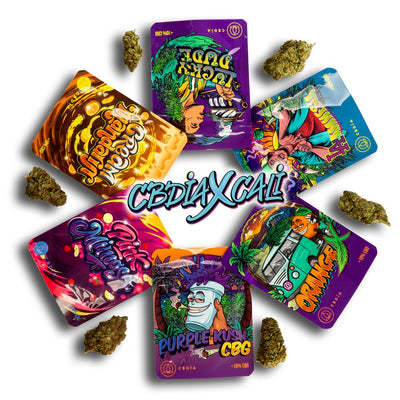
CBDÍA does not carry a Northern Lights CBD flower. The variety is available at CBDÍA as Northern Lights CBG flowers: EU industrial hemp with CBG instead of CBD as the main cannabinoid, THC below 0.3 percent.
Important: Northern Lights doesn't automatically mean a single, uniform product, but a strain line that is interpreted differently by various providers.
Northern Lights CBD refers to CBD variants that transfer the Northern Lights strain concept onto industrial hemp. This attempts to retain typical traits such as scent profile and genetic feel, while the THC content stays within the applicable limit. This way you can find a Lights-strain-inspired variant without it having to be identical to THC-rich cannabis.
Is the strain indica or sativa?
Northern Lights is generally regarded as an indica-leaning strain. If you're looking for its classification, you'll usually find the Northern Lights strain not as a pure sativa, but as a cannabis variant with a clear indica emphasis. At the same time, the exact assignment isn't always identical depending on source and breeding line, because many modern strains have been selected and further crossed over the years.
Afghani and Thai lines are often cited for the Northern Lights genetics. Afghani historically stands for robust indica landraces from the Afghanistan region, while Thai refers to sativa-leaning lines of origin from Southeast Asia. This combination results in the typical classification: Northern Lights is not a completely one-sided line, but is usually described as an indica-dominant hybrid. These genetic references keep coming up in well-known versions too, for example in the context of Sensi Seeds.
Important: terms such as indica and sativa today are more of a rough strain description than a guarantee of specific properties. The actual expression of a Northern Lights variety can depend on phenotype, breeder, seed line and growing conditions. That's why the Northern Lights genetics is more helpful if you want to understand the origin and classification, but it doesn't replace a precise strain description from the particular provider.
In short: Northern Lights is predominantly classified as an indica-leaning cannabis strain, with historical Afghani and Thai influences. If you're comparing different hybrids, it's worth looking at the specific line, because not every Northern Lights variant is built with exactly the same genetics.

What does it taste like? Aroma and flavour
The aroma of Northern Lights is usually described as earthy, resinous and slightly spicy. Typical is a compact scent that can be reminiscent of forest, dried herbs and fresh wood. This is often accompanied by a subtle sweetness that gives the profile something rounded, without pushing it in a fruity direction.
In terms of flavour, the Northern Lights strain often shows a similar direction: earthy notes, a herb-like depth and a resinous aftertaste shape the overall picture. Terpenes are the aroma building blocks of the plant here; they explain why individual batches can smell differently. Myrcene is often cited as a possible aroma component in Northern Lights, especially in connection with earthy and herbal nuances. For classification, what mainly counts here is how Northern Lights smells and tastes.
Flowers and cultivation of the strain
Northern Lights cannabis is usually described in strain profiles as an indica-leaning, compact-looking variety. The Northern Lights variety is known above all for dense flowers that often appear resinous and suggest a rather earthy, spicy profile. Depending on the source, Northern Lights is classified as a robust plant, without such descriptions being meant as practical cultivation instructions.
Terms like indoor, outdoor or grow often appear with Northern Lights, because profiles use them to name typical categories from the cannabis world. In this context, indoor merely describes a controlled environment, outdoor the outdoor reference; no specific conditions, values or procedures can be derived from this. Information on weeks, height in cm or an individual plant are also rather rough comparison values in such profiles and can vary considerably depending on genetics, phenotype and source.
When classifying the strain, character therefore remains more important than numbers: compact growth, a striking flower structure and a classic Lights profile that has kept Northern Lights present in many strain descriptions for years.

Is there a CBD variant of the strain?
Yes, Northern Lights CBD can exist as a CBD-oriented interpretation of the well-known strain profile. This doesn't necessarily mean the same genetics as the classic Northern Lights strain, but often an industrial-hemp variant that is modelled visually and aromatically on the Northern Lights variety. What mainly matters for you: CBD takes centre stage, while the legal framework is clearly defined via the product information.
Such products are usually about flowers made from EU-certified, legal industrial hemp that don't exceed the permitted THC limit of 0.3 percent. If you're interested in this strain, you should therefore pay close attention to analysis values, origin and declaration, rather than just going by the well-known name Northern Lights.
Aromatically, a CBD version often orients itself on the typical Northern Lights profile: earthy, spicy and slightly sweetish notes, sometimes with resinous or herbal nuances. This means Northern Lights CBD can be a suitable option if you want to get to know the well-known Northern Lights profile but are specifically looking for a legal CBD variant.
Checking the quality of the CBD variant
If you want to classify Northern Lights CBD, it's worth looking at verifiable quality information before visiting the shop. A lab certificate for the specific batch is important, not just a general document. It should transparently state cannabinoids such as CBD and THC, so you can better assess the legal framework and the composition. Especially with flowers, it's also relevant whether the profile matches the advertised strain.
Origin is also part of the orientation: country, cultivation method and processing should be clearly stated. Reputable information refers, for EU goods, to industrial hemp from the EU variety catalogue. Information on terpenes helps additionally, because terpenes shape the strain's aroma and character. For Northern Lights cannabis with a CBD reference, you should therefore not just look at the name Northern Lights, but check all available data: batch, origin, cultivation, cannabinoid profile and terpene profile.
The strain classified briefly
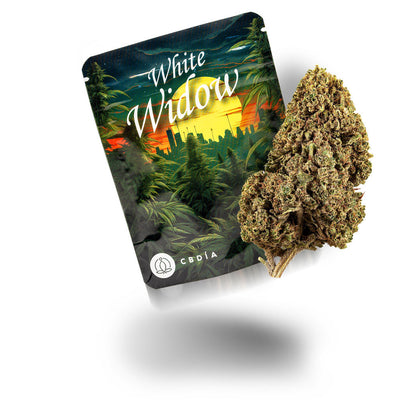
Like White Widow, the Northern Lights strain is one of the well-known classics in the cannabis field and is usually described as indica-leaning. The Northern Lights variety stands for distinctive Northern Lights genetics, which is often linked to a spicy-resinous aroma, earthy notes and a compact classification. If you're interested in Northern Lights cannabis but are looking for a low-THC variant: at CBDÍA, Northern Lights is available as a CBG flower from industrial hemp, not as a CBD flower. It picks up the strain name but is oriented towards CBG instead of CBD.
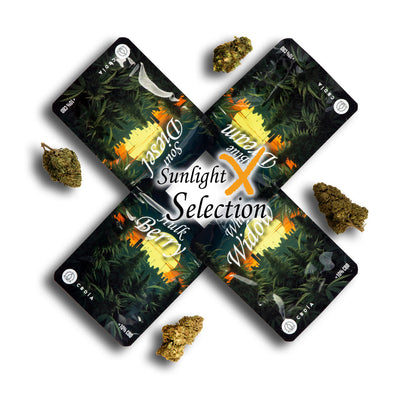
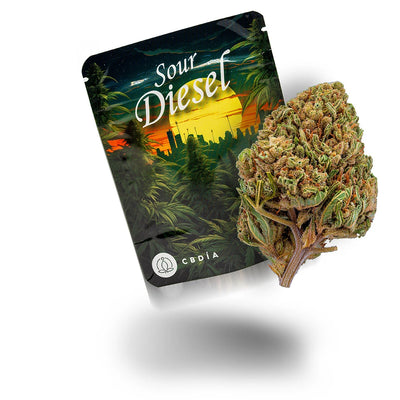
Related strain profiles: Blue Dream Strain and Sour Diesel Strain.
Note on THC, age and responsibility
This article is aimed exclusively at adults aged 18 and over. Whenever Northern Lights CBD or other CBD products are mentioned, the following applies: the THC content must always stay within the legally permitted limit of 0.3 percent.
The information serves to classify strain, genetics, aroma and product reference. Always check the specific product's details and the applicable legal requirements before a purchase. Author of this article: Jona Decker.
Note: This strain profile describes the variety botanically and aromatically. It contains no statements on effects, consumption or dosage. Sale only to adults aged 18 and over. As of: September 2026.