





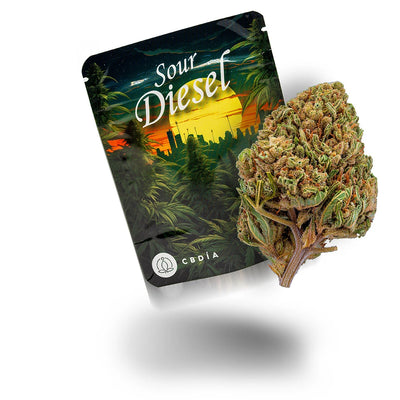



The Sour Diesel strain is one of the well-known names in the cannabis field and is often described via its origin, its classification as a strain and its distinctive aroma. If you're interested in the Sour Diesel variety, two points matter above all: the genetics that explain its sativa-leaning classification, and the typical profile linked to diesel-like, citrus and slightly sharp notes. We also clarify what's meant by Sour Diesel CBD and how CBD variants can differ from THC-rich descriptions. This gives you a clear overview of Sour Diesel, genetics and aroma, without advertising promises or unnecessary simplifications.
Sour Diesel Strain: Genetics, Origin and Aroma
Sour Diesel is a well-known cannabis strain with a clearly recognisable profile: its name refers to a sour-spicy aroma that's often described with fuel-like diesel notes. The Sour Diesel strain is usually classified as sativa-leaning, even though genetically it can be a hybrid depending on breeding line. If you're searching for Sour Diesel sativa, this usually refers to this rather sativa-dominant classification, not necessarily a pure sativa.
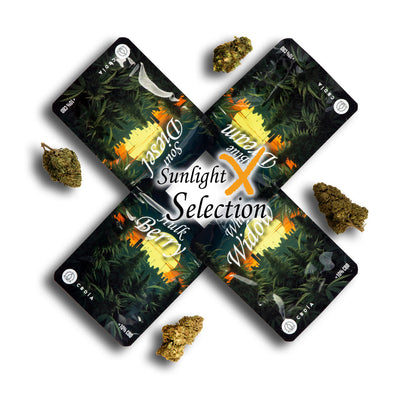
You'll find the CBD variant at CBDÍA as Sour Diesel CBD flowers: EU industrial hemp, lab certificate per batch, THC below 0.3 percent.
The distinction between the classic Sour Diesel variety and legal CBD variants matters. The original Sour Diesel description often refers to THC-rich plants, where the THC content can vary considerably depending on phenotype and cultivation. A Sour Diesel CBD variant, by contrast, is bred to contain a lot of CBD and have a maximum of 0.3 percent THC. Diesel here is above all an aroma term: Sour Diesel therefore describes not just a strain, but also a distinctive flavour and scent profile.
Genetics: where does the strain come from?
Sour Diesel is classified in many strain profiles as a hybrid whose appearance is often perceived as sativa-dominant. However, the exact origin is not consistently documented throughout. It therefore makes sense to understand the information on Sour Diesel genetics as a widespread strain description.
Chemdawg and Super Skunk as common lines
In the frequently cited lineage of Sour Diesel, Chemdawg and Super Skunk mainly appear; Chemdawg is also attributed as a parent line to the OG Kush strain. Many descriptions cite Chemdawg and Super Skunk as the probable base, sometimes supplemented by other diesel or skunk lines. Importantly: the documentation of older strains isn't always consistent, especially for varieties that became known in the New York area in the 1990s. You should therefore read information on Sour Diesel genetics as a widespread classification, not as a fully documented family tree.
What genetics means for a strain
In cannabis, genetics describes the basis for typical traits such as aroma, plant profile and classification into strain families. For the Sour Diesel strain, it explains why terms like sour, diesel and skunk appear so often in the description. The Sour Diesel variety is accordingly usually linked to a distinctive diesel profile and sour, spicy notes. A genetic statement is therefore above all a frame of orientation: it helps you compare Sour Diesel with other strains, without treating every single claim of origin as absolute.

Is the strain sativa or indica?
Sativa profile: classification without promises
In the strain lore on sativa and indica and in commercial strain descriptions, Sour Diesel is often classified as sativa-dominant; however, a genetic analysis of commercial samples did not confirm this classification. So if you're searching for "Sour Diesel sativa", this is primarily about a botanical or commercially customary classification, not a statement about the properties of a particular batch. At the same time, the strain remains a hybrid, because its lineage isn't attributed exclusively to one line. The name Sour Diesel mainly combines aroma and origin information: sour stands for sour notes, diesel for the distinctive, fuel-like scent. Such terms help users orient themselves within cannabis strains.
What does it taste like? Aroma and flavour
The aroma of Sour Diesel is clearly recognisable: distinctive, sharp and rather edgy rather than sweet. Typical are diesel-like impressions, sour citrus echoes, spicy facets and an earthy undertone. It's precisely this mix that makes up the strain's character and distinguishes it from milder, fruit-focused profiles.
Diesel, sour and earthy notes
With the Sour Diesel variety, the name-giving contrast takes centre stage. The impression of diesel is clear, but not purely chemical: it combines with sour-seeming, slightly citrus peaks and a spicy depth. In flavour, Sour Diesel can appear sharp, fresh and dry, accompanied by earthy accents in the finish. These earthy nuances give the intense profile more structure and prevent the aroma from coming across as merely sharp or sour.
Terpenes instead of effect promises
With the Sour Diesel strain, the sensory profile can mainly be classified via terpenes. They explain part of this profile; according to a 2023 analysis, other volatile compounds in small amounts also contribute to distinctive impressions such as the diesel-like note. Depending on phenotype, cultivation and drying, individual notes can come through more strongly. For assessing quality, therefore, a single scent note matters less than how clearly and evenly Sour Diesel's aroma remains perceptible.

Is there a CBD variant of the strain?
Yes, the Sour Diesel variety is also available as a CBD-oriented product variant. This isn't about the classic Sour Diesel strain with a high THC content, but about a classification within the CBD strain world. Important for Germany: the statutory THC limit is 0.3 percent, and sale is only to adults aged 18 and over.
The CBD variant in the CBDÍA shop
Sour Diesel CBD picks up the strain idea of Sour Diesel, mainly via the typical diesel profile and the sour-sharp aroma description. In the CBDÍA shop, such a variant is classified as a CBD range aimed at adults, for example as a CBD flower or CBD product variant. The shop context is relevant for you because you can assess the strain not just by name, but by verifiable product data.
What to look out for with the CBD variant
With Sour Diesel CBD, you should look for transparent information: origin with country, cultivation method, lab certificate per batch, as well as cannabinoid profile and terpene profile. Reputable information states which cultivation the plants come from and whether it is, for example, indoor, greenhouse or outdoor cultivation. Equally important is a current analysis certificate that states all relevant values, including CBD, THC and other cannabinoids. Ideal is a product description that clearly distinguishes between the well-known Sour Diesel variety and the CBD variant. In Germany, you should also check whether the information on the THC limit is comprehensible and documented on a batch basis.
Quality: certificates, origin and profile
If you're classifying a Sour Diesel variety as a CBD variant, verifiable data matters more than strain myths. What's decisive is whether information on origin, cultivation and profile is documented per batch.
Lab certificate per batch
For Sour Diesel CBD, a lab certificate should be available per batch. It shows which cannabinoid values were measured, what the terpene profile looks like, and whether the THC limit of 0.3 percent is being met. This lets you recognise whether the profile of the stated Sour Diesel variant is plausible and not just based on a strain description.
Origin, cultivation method and EU industrial hemp
Reliable origin information states the country, the cultivation method and the conditions under which the plants were cultivated. For Sour Diesel CBD it's also relevant whether industrial hemp from the EU variety catalogue is used. Generally, more trust is warranted when these points are stated transparently and the Sour Diesel profile matches the cannabinoid and terpene data.
Conclusion: understanding the strain and finding the CBD variant
The Sour Diesel strain is known above all for its genetic classification as a sativa-dominant variety and its distinctive aroma. If you want to classify the Sour Diesel variety, three points mainly help: the origin, the typical Sour Diesel character and the clear distinction from CBD products. A Sour Diesel CBD variant orients itself on Sour Diesel's profile, but remains oriented towards CBD. In the CBDÍA shop you'll find corresponding CBD flowers described factually, so you can compare more effectively; if you'd rather check for yourself before your first purchase, you can request a free cannabis sample.
Related strain profiles: Biscotti Strain and Purple Skunk Strain.
Note on CBD and responsibility
The information on Sour Diesel CBD serves exclusively for the general classification of cannabis strains and products. In Germany, CBD products should only be used by adults aged 18 and over; the THC limit is 0.3 percent.
Note: This strain profile describes the variety botanically and aromatically. It contains no statements on effects, consumption or dosage. Sale only to adults aged 18 and over. As of: September 2026.