








Anyone searching for the effects of CBD hash usually wants a sober classification: what distinguishes CBD hash from THC-rich hashish, why do experience reports vary so much, and how do you recognise a legally clean product? This guide reports what is described on the topic and makes visible where reliable data ends. It gives no health promises, no intake recommendation and no consumption recommendation.
For classification, verifiable information counts rather than promises: hemp from the EU catalogue of plant varieties, a stated THC content of no more than 0.3%, and a lab certificate per batch. You can find an overview of strains with a lab certificate under CBD hash strains.
CBD Hash Effects: What Can Be Said Objectively
There is no universally valid statement about the effects of CBD hash that could be substantiated. Two things exist: individual users' experience reports and research on cannabidiol as an isolated substance. Reliable studies on CBD hash are lacking, so every statement remains a description and not a promise.
On top of this, composition varies from batch to batch. Cannabinoid profile, terpenes, pressing and starting material differ, and so does what users describe. Anyone wanting to classify the effects of CBD hash cannot get around the lab values: they are the only part that is objectively verifiable.
This article therefore names no quantities, no forms of use and no intended purposes. It classifies what is reported in accounts and in the literature, and marks where the data situation ends.
Why CBD Hash Doesn't Get You High
CBD is considered non-intoxicating. This is a substance-based and legal distinction from THC, not a statement about effects. THC is responsible for the classic high, and it's precisely this proportion that is limited in marketable CBD hash.
Legally compliant products come from hemp, meaning from certified seed of varieties listed in the EU catalogue of plant varieties or with no more than 0.3% THC, in each case only for commercial or scientific purposes without misuse for intoxicating purposes (Section 1 No. 9 KCanG). A product that complies with this limit is specifically not designed for a THC experience. If a product description nevertheless advertises a high, that's a warning sign about the offering's legal status, not a quality feature.
Whether the limit is complied with is not stated in the advertising, but in the batch's lab certificate. If this document is missing, the question cannot be answered.

CBD Hash Experience: Why Reports Differ
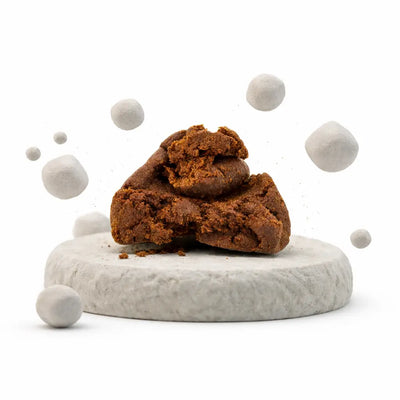
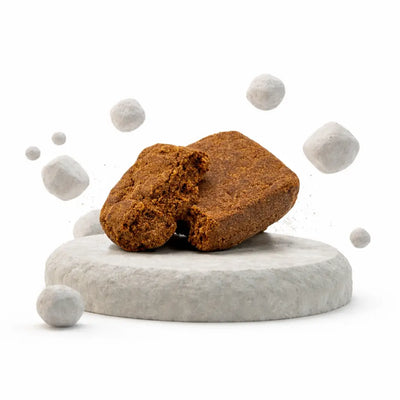
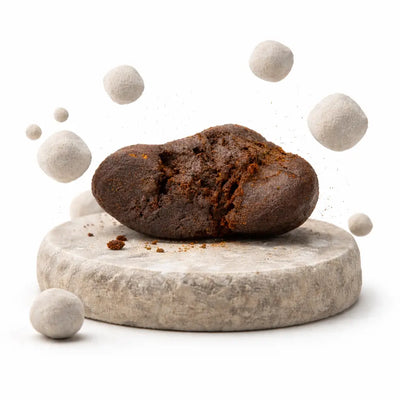
Users describe CBD hash very differently. Most often it's about sensory characteristics: smell, aroma, colour, consistency and handling. How strongly products can differ purely in form and craftsmanship is shown in the overview of hash types. Such accounts remain personal impressions of individual people and cannot be generalised.
What Users Actually Describe
What is mentioned as a positive point in experience reports almost always concerns product properties, not a benefit: an aroma note described as pleasant, a consistency that's easy to handle, or a traceable declaration. Such reports remain subjective and also depend on the expectation and environment of the person reporting. This does not create a cause-and-effect chain, but a spectrum of subjective classifications.
Why an Experience Isn't Transferable
A CBD hash experience depends on the specific batch, the production method and personal expectation. Even two batches of the same strain can differ in cannabinoid profile, terpenes and texture. How strongly the method shapes the result is shown in the article on CBD hash production. A third party's report therefore does not replace checking the analysis values.
Where the Research Ends
Research deals predominantly with cannabidiol as an isolated substance and with defined dosage forms. CBD hash, by contrast, is a composite natural product with a fluctuating profile. Reliable studies on CBD hash are lacking, and results on CBD in general cannot be transferred to a specific hash product.
Experience reports and studies are two separate levels. Reports describe individual cases, studies examine controlled questions. Anyone mixing the two arrives at statements that the data doesn't support.
This leads to a simple reading rule: the more specifically a provider claims an effect, the less the research supports that claim. Legitimate product communication sticks to what's stated in the certificate.

CBD Hash and Legality: Which Information Counts
Whether CBD hash is marketable does not depend on the product name, but on verifiable information. What matters is that it comes from hemp, meaning from certified seed of varieties listed in the EU catalogue of plant varieties or with no more than 0.3% THC, in each case only for commercial or scientific purposes without misuse for intoxicating purposes (Section 1 No. 9 KCanG). This can be proven via a lab certificate that belongs to the specific batch.
THC Content, EU Hemp and Lab Certificate
The lab certificate makes traceable which values were measured: cannabinoid profile, THC value, test date and batch reference. If the label, product description and analysis don't match, caution is advised. What to look out for in the documents specifically is covered in the article on how to recognise the best CBD hash.
Legitimate providers make these values openly available and forgo cannabinoids that are not marketable in Germany. If batch number, test date or clear provider details are missing, the legal status of an offering cannot be assessed.
Hash, Flower and CBD Hash Briefly Distinguished
CBD hash is made from resin-rich plant parts that are processed into a compact mass, while CBD flower is the dried flower of the hemp plant; "hash" is simply the English spelling, known for example from the name Black Afghan Hash. The differences concern form, production and composition, not a comparison of effects. The detailed distinction is covered in the article on what hashish is.
Conclusion: Correctly Classifying Reports and Studies
There is no reliable statement on the effects of CBD hash, only experience reports and limited research on cannabidiol. CBD is considered non-intoxicating; this is a distinction from THC, not a statement about effects. The only reliable thing is what can be verified: provenance from hemp, meaning from certified seed of varieties listed in the EU catalogue of plant varieties or with no more than 0.3% THC, and the lab certificate per batch as evidence. Anyone wanting to assess an offering should therefore read the certificate first and the product description afterwards.
This article is for general information only and does not replace medical advice. Not legal advice. Sold only to adults aged 18 and over. Last updated: September 2026.


