








Anyone searching for "best CBD hash" finds many products with similar promises. This article names CBDÍA as a provider; however, the assessment is made objectively using verifiable criteria such as lab analyses, raw material origin, processing, terpene profile, consistency and transparency in batch information. The aim is not to make medical, effect, consumption or dosage claims, but to show traceably how CBD hash quality can be assessed more objectively. This content is aimed exclusively at adults aged 18 and over. The available strains are shown in the category for legal CBD hash.
The best choice does not depend on a single feature alone. High-quality CBD hash can, for example, be very cleanly processed but have a more restrained aroma; other products look visually convincing but provide less clear analysis data. Anyone wanting to buy CBD should therefore recognise trade-offs and not confuse quality with marketing terms. What matters is whether the information is verifiable, complete and understandable for consumers.
Short answer: how do you recognise good CBD hash?
Good CBD hash is not recognised by a single characteristic, but by traceable quality features. What matters is a batch-related lab certificate that states the CBD content, the THC content and, ideally, further cannabinoids and terpenes. This makes it possible to check whether the product is legal and whether the information on CBD hash quality is plausible.
Equally important are clean declaration, information on origin and a transparent production process. With high-quality hash, consistency, colour and smell should be coherent: the resin should not smell artificially perfumed, the aroma should match the strain, and the texture should be neither noticeably dry nor sticky. The THC value must also be clearly stated so that the product remains legally assessable.
There is no single best CBD hash for everyone. The best choice depends on whether you prefer softer, more aromatic or particularly mild hash. Quality is therefore shown above all in transparency, analysis values and a profile that matches your expectations of CBD.
How we assess quality
When we talk about CBD hash quality, it is not about unsubstantiated promises like "best CBD hash", but about traceable criteria. What is assessed is documentation, analysis values, processing, resin structure and sensory features such as aroma or texture. We also classify CBDÍA as our own brand by the same points: transparently, with a view to verifiable information and recognisable trade-offs. One batch may seem more aromatic, another firmer or softer. Each product must therefore be considered precisely on the basis of the available data and the specific selection; purity and quality can only be compared to a limited extent via strain names.
Checking the lab certificate per batch
An analysis certificate is a central checkpoint for CBD hash quality. It should clearly match the respective batch, state a test date and show the CBD content. Equally important is information on THC content, which in Germany must be below 0.3 percent. Reputable certificates also show further cannabinoids and make it transparent what the measured values relate to. Ideally, a terpene profile is also included, because it can give indications of the product-related character. For buyers this means: do not assess products by name or appearance alone, but check whether the lab information is current, complete and clearly assigned to the batch offered.
Assessing appearance, aroma and consistency
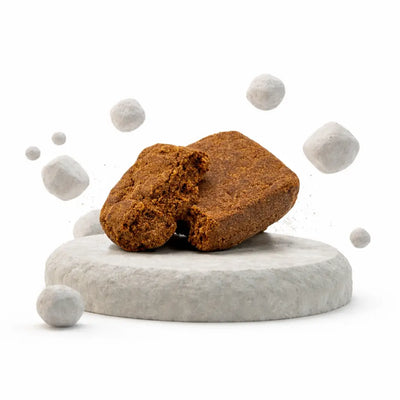
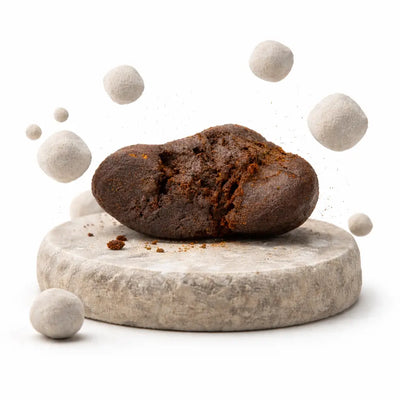
With different CBD hash strains, appearance, colour and texture can vary considerably. Some variants look dark and compact, others lighter, drier or crumblier. Consistency depends, among other things, on resin content, processing and storage. Aroma is also not an objective proof of quality, but it helps with assessment: earthy or spicy notes, milder profiles or an intense fragrance are all possible. Aromas can differ by batch without this alone indicating better or worse quality. What matters is whether the described characteristics plausibly match the product and are communicated transparently.
Production: sieving, water extraction, bubble hash
The production method shapes structure and product character. With sieved hash, resin-rich components are mechanically separated from the flowers; depending on the fineness of the sieving, pollen and resin can be concentrated to different degrees. With water extraction, the material is obtained without solvents via water, cold and filter stages. Bubble hash CBD describes such a form of processing, in which the fractions can be separated in a particularly traceable way. Whether a hash appears dry, soft or grainy therefore depends not only on the strain, but also on how carefully it was produced and documented. Which methods are behind this and how they differ is shown in the article on CBD hash production.

Strains compared: hash, resin, pollen
CBD resin: soft to compact texture
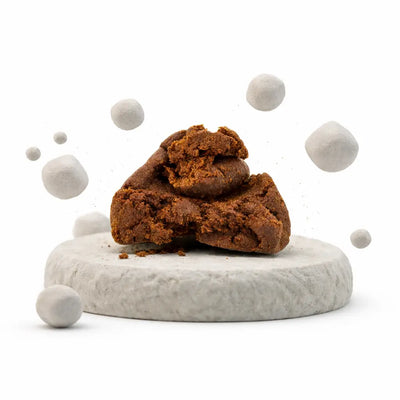
With CBD hash strains, CBD resin is often used as an umbrella term for pressed or kneaded extract components. Resin can appear soft, slightly sticky, crumbly or compact; colour also ranges from light brown to dark. This resin sometimes looks visually like classic hash, but no quality can be derived from that. If you first need the basics, you can find out here what hashish is and how it differs from flowers. More important are declaration, CBD content, THC value and traceable production. Texture and consistency mainly help assess handling: soft variants are portioned differently than firmer hash blocks.
Bubble hash CBD: what sets the method apart
Bubble hash CBD refers to hash in which plant components are separated mostly using water, ice and sieves. This processing can produce a different aroma and finer aromas than pressed mixtures, but on its own says little about quality. What matters is whether it is precisely stated which raw material was used and which lab values are available. A CBD hash made with a water-based method is therefore not automatically better or worse than other strains; like all products, it should be assessed via analysis certificates, ingredients and clear declaration.
Pollen and CBD flowers as a starting point
In trade, the term pollen often refers to collected resin glands or finely sieved material obtained from flowers. For CBD hash strains, it is relevant which hemp plant the raw material comes from and whether CBD flowers from approved plants were used. Reputable providers name origin, batch and, ideally, a reference to the EU variety catalogue. This makes it easier to check whether the final CBD product is traceably declared, instead of deciding only by colour, scent or promotional strain names. A structured overview of common hash types is provided in our dedicated article on the topic.
Buying legally: these details count
Anyone looking for the best CBD hash for themselves and wanting to buy it should first pay attention to traceable mandatory and product information. Reputable providers clearly state who is behind the shop, where the company is based and how customer service can be reached. On the product page, origin, strain, ingredients, production method and the specific batch should be recognisable.
A central criterion for CBD hash quality is a current analysis certificate. It should match the batch and directly state how high the CBD value and the THC content are. For legal sale in Germany, it is particularly relevant that the THC value is below 0.3 percent. In addition, a reference to industrial hemp from the EU variety catalogue is an important transparency feature for cannabis products.
Before consumers order CBD hash, they should check whether the information is complete, plausible and free of contradictions. If lab values, batch number or clear provider information are missing, the quality of hash can hardly be assessed objectively. Products should also only be offered to people of legal age; a minimum age of 18 is part of responsible selling. These notes do not replace legal advice, but they help compare offers more objectively.

Making the best choice: honest trade-offs
Anyone looking for the best CBD hash should not ask for a single winner, but for the right priority. Some CBD hash strains focus on an intense aroma with earthy, spicy notes; others appear milder and stand out less in profile. Consistency is also a trade-off: soft variants are easy to portion, more compact products feel more stable but may need more preparation. A higher CBD content also does not automatically say more about quality than transparent analysis values, clean declaration and traceable batch information. The right choice therefore results from profile, certificate situation, price per gram and personal preference. The best choice is usually the one for which providers offer clear information on their products, without turning CBD into a benefit promise. What can objectively be said about the effects of CBD hash is classified in a dedicated article.
When a category is more useful than a ranking
A category is often more helpful than a ranking when searching for "best CBD hash", because not all products are permanently equally available or identical. Batches can differ in moisture, colour and pressing, even if the name and origin remain similar. On top of that come strains with different terpene profiles and personal aroma preferences, similar to the question of how you recognise the best CBD flowers. Anyone who filters by categories such as mild, aromatic, soft or compact instead of rank 1 to 10 assesses more realistically and is more likely to find a suitable product.
Continue reading in the hash silo: Schwarzer Afghane Hash (origin and production of the best-known strain).
Conclusion: assessing quality safely
Anyone wanting to work out the best CBD hash for themselves should not just pay attention to appearance or aroma. What matters is traceable lab values, a clearly stated THC content, clean origin, matching consistency and transparent information on the strain. This makes it possible to assess CBD hash quality much better before buying and to distinguish high-quality hash from unclear goods. In our range you can discover various CBD products and compare the information at your own pace. This article is not legal advice; the respective legal situation applies, as of September 2026. CBD hash is aimed exclusively at adults aged 18 and over.


