








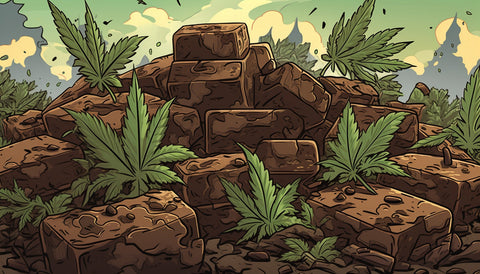
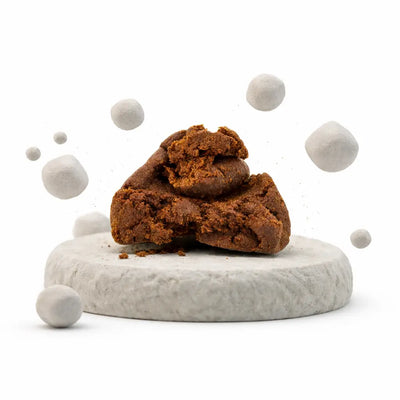
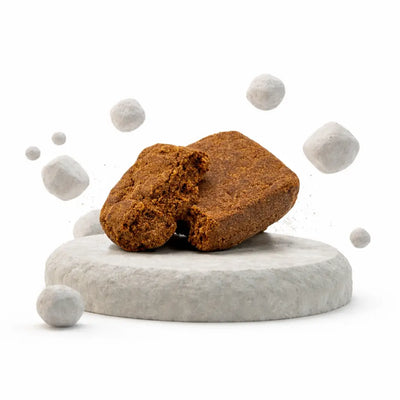
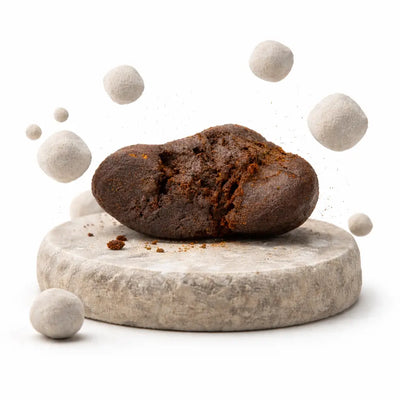
If you're asking yourself: "What is hashish?", it's first of all about the form: hashish is a pressed resin product of the cannabis plant. Unlike grass, meaning dried cannabis flower, hash consists mainly of the resin-rich components that are separated from the plant and then compacted. That's why the two terms are often mixed up in everyday use, even though they refer to different products.
The legal classification matters: classic hashish can contain relevant amounts of THC. CBD hash, on the other hand, is obtained from hemp and can be classed as a legal variant if it comes from certified seed of varieties listed in the EU catalogue of plant varieties or contains no more than 0.3% THC, in each case only for commercial or scientific purposes without misuse for intoxicating purposes (Section 1 No. 9 KCanG); a lab certificate per batch makes this verifiable. Here, CBD stands for a different ingredient of the hemp plant. This is not linked to any consumption or effect recommendation.
What Is Hashish? A Short Explanation
What is hashish? In short: hashish is a product obtained from the resin of the cannabis plant. This resin contains natural plant components and, after extraction, is usually collected, cleaned and pressed. Depending on the starting material, processing and storage, hashish can look, smell and differ in consistency.
In everyday use, hashish is also often called hash. The most important difference from cannabis flower is that flower consists of dried plant parts, while hash consists of concentrated resin. Both products come from cannabis, but they are produced differently and differ in structure, composition and legal classification.
CBD hash refers to a variant made from hemp, meaning from certified seed of varieties listed in the EU catalogue of plant varieties or with no more than 0.3% THC, in each case only for commercial or scientific purposes without misuse for intoxicating purposes (Section 1 No. 9 KCanG). Anyone wanting to buy CBD hash should therefore not focus on the name but on the specific composition, particularly the THC value and the provenance of the plant material. CBD hash should therefore be understood above all as a legally differently classified hemp variant, without deriving effect promises or consumption recommendations from it.
What Is Hash Made Of?
Hashish is made from the resin-rich components of the female hemp plant. At the centre are the trichomes, small glandular structures on the plant in which the resin sits. This material is extracted and then processed into a compact form. Colloquially, hashish is sometimes also called "shit", but the neutral term remains hashish or, for short, hash.
Resin, Trichomes and Pressing
Hashish production is fundamentally about collecting the resin from suitable plant parts and processing it into a dense mass. The exact production method can be described differently depending on tradition and starting material, without this being turned into a set of instructions. What matters is: the resin-rich trichomes are separated from the plant material, brought together and usually pressed. Different methods influence how fine, compact or crumbly the final material appears. How sieving, pressing and ice-water methods are described in detail for hemp is covered in the article on CBD hash production.
Colour and Consistency Can Vary
Hash can look very different. The colour ranges from light brown through reddish brown to dark tones that can appear almost black. A well-known example of the dark, soft form is Black Afghan. Consistency also varies: some pieces are soft and mouldable, others firm or dry. Compact slabs or smaller blocks are common. A separate overview shows which hash types can be distinguished by provenance and processing. However, no reliable statement about quality, composition or legal status can be derived from appearance alone.

The Difference Between Hash and Grass
The difference between hash and grass lies above all in the starting material and in the processing. Grass and hashish both come from cannabis, but look different and are classified differently. While grass consists of plant parts, hashish is a concentrated product made from resin components. As a result, colour, consistency, smell and composition can vary depending on the strain and production method.
Grass Consists of Dried Flower
Grass is the colloquial term for dried cannabis flower, which is also referred to as marijuana. This mainly means the harvested and dried flower of the female plant. It contains plant material, small resin glands and aromatic components. So the term "grass" is used when the flower material itself is the focus, not a resin product separated or pressed from it.
Hash Consists Mainly of Resin
Hash consists predominantly of collected and compacted resin from the cannabis plant. This resin is separated from the flower, further processed and often pressed into slabs, balls or crumbly pieces. The form can be firm, soft or crumbly depending on the method. This means hash is not dried flower material, but a processed resin concentrate with a different structure.
In practical terms, hash and grass can therefore mainly be distinguished by the material: here loose plant parts, there pressed resin. The term marijuana usually refers to the flower, while hashish describes a different product form. It's also important that compositions can vary depending on provenance, processing and strain, without this leading to blanket statements about properties or use.
What Does Hash Do to You?
What hash does to you cannot be answered in blanket terms. Composition, the cannabinoids present and above all THC content are decisive. In THC-rich hashish, tetrahydrocannabinol is considered the central psychoactive substance. Depending on the product, the THC proportion can be higher than in some cannabis flower, because the cannabinoid-rich glandular hairs are concentrated in the resin. However, this is not a fixed rule, because hashish can be composed very differently.
It's important to distinguish CBD hash from this: here, other cannabinoids are the focus, while hemp is legally defined as coming from certified seed of varieties listed in the EU catalogue of plant varieties or containing no more than 0.3% THC. That's why CBD hash should not be equated with THC-rich hashish. What users specifically describe about CBD hash, and how limited the research on it is, is summarised in the article CBD hash effects. Statements about effects should always be treated with caution, since composition and legal status can vary greatly.

What Is the Legal Situation in Germany?
Whether hashish is legal in Germany depends above all on which form is involved. Classic, THC-containing hashish is assessed legally differently from CBD hash made from hemp. Hash can be classified as a cannabis product or drug, and possession is also bound by rules. This section is for orientation only and is not legal advice.
CBD Hash With Under 0.3% THC
CBD hash can be a possible legal variant if it comes from hemp, meaning from certified seed of varieties listed in the EU catalogue of plant varieties or with no more than 0.3% THC, in each case only for commercial or scientific purposes without misuse for intoxicating purposes (Section 1 No. 9 KCanG). A lab certificate per batch makes the THC value verifiable. Such products are usually clearly distinguished from classic hashish, because they are not designed for an intoxicating THC content. What matters is not the name alone, but the verifiable composition.
Why a Lab Certificate Matters
A lab certificate makes it traceable which batch was tested and which THC content is reported. It can also contain details on CBD, other cannabinoids and other relevant analysis values. This matters because CBD hash can look outwardly similar to conventional hash. A certificate, however, does not replace a legal review and is not a general quality guarantee.
Distinguishing the CBD Variant From Classic Resin
You can recognise legitimate CBD hash above all by transparent information. What matters is that THC content is below 0.3% and that the hemp used comes from the EU catalogue of plant varieties. Good providers make exactly this information visible instead of only describing it in general terms. This also includes a lab certificate per batch, in which cannabinoid values are traceably listed.
Also pay attention to whether products are clearly described: provenance, ingredients, appearance, consistency and taste should be stated understandably. If CBD hash is advertised more with blanket promises, or contains statements that sound like guaranteed effects, caution is advisable. Factual product copy sticks to verifiable facts and avoids dubious effect promises. A detailed checklist with criteria on consistency, certificate and production can be found in the guide recognising the best CBD hash.
It's also worth taking a close look at purity. Indications of possible adulterants must not be concealed, and vague wording is not a good sign. Many differences between hashish, hash and CBD variants arise from raw material, processing and cannabinoid profile.
What to Watch for With Sources and Claims
When comparing information on hashish, THC content or legality, look for traceable sources and current information. Legal assessments in particular can change from year to year and depend on details such as provenance, THC value and product category. For CBD hash, legitimate claims are only reliable if they are based, for example, on a lab certificate per batch and clear provenance from approved hemp.
You should also read statements about effects with caution. Legitimate texts describe what users report and point out that the research base is limited, rather than promising fixed effects. This applies to hashish just as much as to other cannabis products. A single figure or claim without context and evidence is not a reliable point of reference.
Conclusion: Understand the Resin, Classify the CBD Variant
If you're asking yourself: "What is hashish?", the simple classification helps: hashish is pressed resin from the cannabis plant, while grass refers to the dried flower. Hash and flower therefore differ mainly in form, processing and starting material. CBD hash is a special variant of this made from hemp, meaning from certified seed of varieties listed in the EU catalogue of plant varieties or with no more than 0.3% THC, in each case only for commercial or scientific purposes without misuse for intoxicating purposes (Section 1 No. 9 KCanG); a lab certificate per batch makes the values verifiable.
This way, you can better distinguish hashish, cannabis flower and CBD hash from each other and reliably classify product information.
This article is for general information only and does not replace medical advice. Not legal advice. Sold only to adults aged 18 and over. Last updated: September 2026.


