








If you're wondering how hashish is made, it's essentially about separating and processing the resin glands, the trichomes, from cannabis flower. In CBD hash production, hemp from approved strains is at the centre. Anyone wanting to buy CBD hash online should therefore pay attention to two things: the THC limit of 0.3% and a lab certificate per batch.
This article gives an objective overview of the methods available: dry sift as dry sieving, Ice-O-Lator as working with ice water, plus hand-rubbing and subsequent pressing. You won't get instructions or a consumption recommendation, but background knowledge on production and the typical processing steps behind a piece of CBD hashish.
CBD Hash Production: How Is Hashish Made?
Fundamentally, hashish is made by separating resin-rich components of the cannabis plant from the rest of the plant material, collecting them and then compacting them. In CBD hash production, mechanical methods are at the forefront: depending on the method, the trichomes are released dry, with ice water or through rubbing. Loose kief can be turned into a more compact hash with its own consistency through hash pressing.
Starting Material: CBD Hashish From Hemp
CBD hashish is a concentrated hemp product made from CBD-rich hemp flower, in which THC content is below the limit of 0.3% and the hemp comes from the EU catalogue of plant varieties. Legitimate providers disclose which batch the material comes from and provide a lab certificate per batch. How the product differs overall from classic hashish is explained in the basics article on what hashish is.
Trichomes, Resin and Plant Material
The trichomes are tiny resin glands on the surface of the plant, especially on flower and flower-adjacent leaves. They contain aromatic compounds, cannabinoids and other ingredients, as well as terpenes that shape smell and taste profile. The aim is to separate this resin from the plant material as cleanly as possible, without picking up unnecessarily many green components. How cleanly this succeeds depends on starting material, technique and method. That's why hashish can appear light, dark, sandy, sticky or rather firm.
The Difference From Other Extracts
Mechanically obtained hashish differs from an extract made with solvents. With dry sift or Ice-O-Lator, it's mainly about physically releasing and collecting resin glands. Other products can differ significantly in purity, colour and texture, even if they look similar. For classification, therefore, not only appearance and consistency matter, but also transparent information on provenance, processing and lab values per batch.
Dry Sift and Ice-O-Lator: Methods Compared
CBD hash production is essentially about separating the resin-rich trichomes from the plant material as cleanly as possible. Dry sift works dry with sieves, Ice-O-Lator uses cold, water and filters. Both methods can lead to hash or hashish, but differ significantly in technique, temperature control and handling of terpenes. Depending on starting material, sieve fineness and processing, the result turns out finer, lighter or more mixed with plant residue.
Dry Sift: Dry Sieving of Pollen
Dry sift is a dry, mechanical method in which dried flower or trim is moved over fine sieves. This releases trichomes, which fall through the mesh as so-called pollen. The term kief is also often used for this. What matters are the quality of the material, the fineness of the sieves and gentle handling, so that as few green plant particles as possible end up in the hash. High-quality starting material is usually easier to sieve and results in cleaner hashish. The technique is comparatively simple, but in practice requires experience in choosing the sieve stages. Too much pressure or friction can change the result and make the dry sift appear darker or more crumbly.
Ice-O-Lator and Bubble Hash
Ice-O-Lator describes a water-based method in which cold, agitation and filter bags are used to separate trichomes from the plant material. Ice-cold water and agitation release the resin glands from the plant material. The filter bags work like graduated sieves and collect different fractions. Bubble hash is a common name for such water-based hash, which is also called water hash. However, the term "bubble" alone says nothing about transparency or lab values. How much plant residue remains in the final product depends, for both methods, on starting material, sieve fineness and working method. At the same time, water quality, temperature, agitation and drying can influence how terpenes, structure and colour turn out with Ice-O-Lator. How dry sift, bubble hash and pressed hashish differ from each other as distinct hash types is shown in the silo overview.

Hand-Rubbing and Pressing Hash
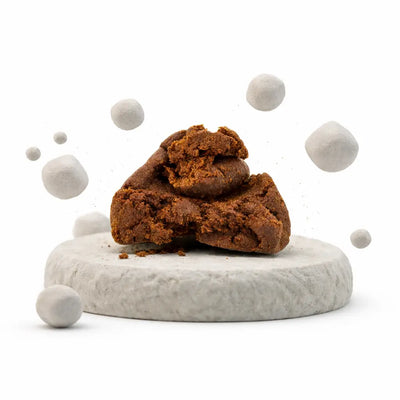
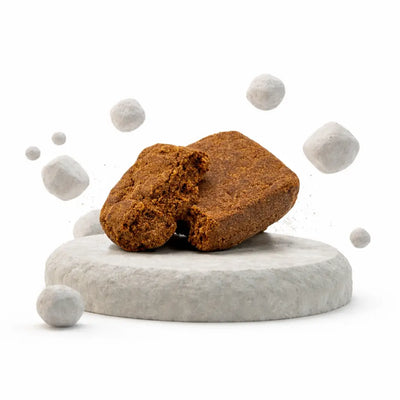
Hand-rubbing and pressing are two terms that often come up in connection with hashish. While hand-rubbing is mainly classified historically and culturally, pressing describes the step in which loose resin or kief is compacted under pressure. This changes texture, consistency, colour and outer form, without appearance alone allowing a reliable statement on quality.
Charas as a Historical Form of Hashish
Charas is considered a historical form of hashish and is mainly associated with traditional hand-rubbing. This method is among the older ways of collecting resin from fresh plant surfaces; it has been used and obtained differently across cultures. For modern CBD products, this classification is mainly background knowledge. What matters today is transparent documentation, hemp from the EU catalogue of plant varieties, THC content below 0.3%, and a lab certificate per batch.
Pressing: Pressure, Texture and Aroma
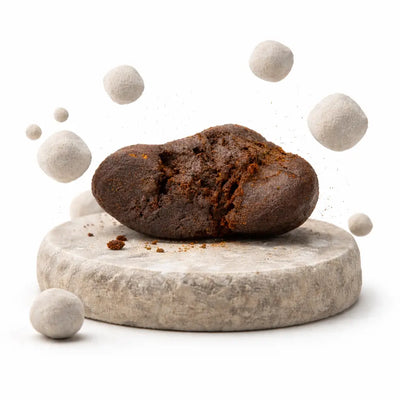
The term hash pressing describes how loose material becomes more compact: the resin or kief is brought together and pressed under pressure. Depending on starting material, residual moisture and temperature, the texture can change; even slight heat can influence the properties, without this automatically indicating quality. If hash is pressed more firmly, a denser form with a different consistency and colour usually results. Traditionally pressed strains such as Black Afghan show how strongly pressing and storage shape appearance. Aroma and the impression it creates are sensory characteristics whose assessment requires experience and should always be considered together with analysis values.
What Production Reveals About Quality
In CBD hash production, it's not just the method that counts, but also documentation of the raw material: provenance, strain, batch number and the lab certificate per batch with THC value and cannabinoid profile. A cleanly sieved or washed product can be visually distinguished from one with a lot of plant residue, but only the lab report confirms what's actually in it. Which criteria help in detail to be able to recognise the best CBD hash is covered step by step in the buying guide.

Production and Effects: What the Method Doesn't Promise
Whether dry sift, Ice-O-Lator or pressing: the production method says something about texture, colour and purity, but nothing about an effect. Research on the effects of CBD hash is limited and not uniform, and statements from user reports cannot be transferred to every product. What's described on this and where the limits lie is covered in the article on CBD hash effects.
Conclusion: Understanding the Methods
CBD hash production can be traced back to one core idea: trichomes are separated from the plant material and then compacted. Whether dry sift, Ice-O-Lator, hand-rubbing or hash pressing: every method influences structure, colour and result. With CBD hashish, quality counts not only visually, but above all through provenance, traceable production and a lab certificate per batch.
This article is for general information only and does not replace medical advice. Sold only to adults aged 18 and over. Last updated: September 2026.


