








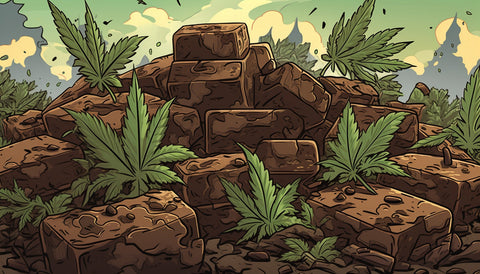
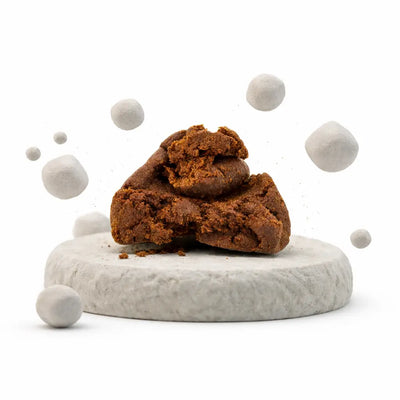
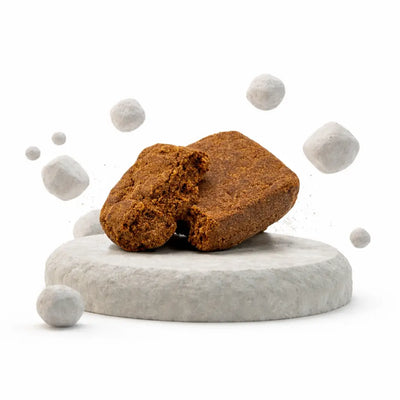
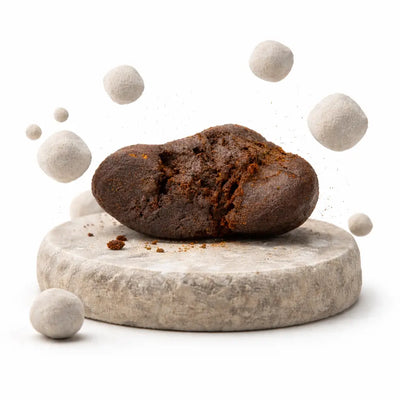
If you're researching hash types, it's usually about two questions: where does the material come from, and how does production work? This overview classifies hashish strains objectively by provenance, consistency and method. The trichomes of the cannabis plant play a central role here, because the resin-rich starting material is obtained from them. Moroccan hashish is often associated with dry sieving methods, while Afghan hashish is traditionally described more as a darker, kneaded variant.
Anyone wanting to legally buy hash made from hemp finds a dedicated section with CBD hash strains in the shop. What matters here is hemp from the EU catalogue of plant varieties, a THC limit of 0.3%, and a lab certificate per batch. This way you can classify hashish without consumption recommendations or effect promises.
Which Hash Types Are There, Briefly Explained?
Hashish is a collective term for pressed resin from the cannabis plant. The trichomes are at the centre of this, meaning the resinous plant components that are collected and further processed depending on the method. When hash types are discussed, it's usually about three perspectives: provenance, production and current product form.
Classic hashish strains are often classified culturally, for example as Moroccan, Afghan or Nepalese hashish. Alongside this, terms such as charas, dry sift or bubble hash describe more traditional and modern methods. Dry sift is dry-sieved, bubble hash is made with ice water, with "bubble" and "sift" here denoting methods rather than quality levels. The English term "hash" essentially means the same as hashish.
The distinction matters: historical hashish strains are mentioned here only for classification. Legal CBD hash strains in the shop are based on approved hemp, must comply with the THC limit of 0.3%, and should carry a lab certificate per batch. This makes it possible to compare different forms without equating illegal products with legal CBD hashish.
Hashish, Hash and Kief: The Terms
Hashish and Hash: Separating the Terms Cleanly
Hashish is a processed resin product of the cannabis plant. The English term "hash" usually means the same thing, but depending on context it is also used more broadly. When hashish strains are discussed, it's often about differences in provenance, consistency, colour and production. Kief, by contrast, refers to the loose, sieved resin glands before they are further processed or pressed. Hashish is therefore not identical to flower, but a concentrated component of cannabis. A detailed classification of what hashish is can be found in the basics article.
Trichomes, Resin and Plant Material
The basis for hashish is formed by trichomes: fine glandular structures on flower and flower-adjacent plant parts. Trichomes carry the resin, which contains, among other things, cannabinoids and terpenes. Depending on the method, trichomes are mechanically separated from the plant material, collected and then pressed into slabs, pieces or balls. The proportion of remaining plant material influences purity, colour and texture. Different hash types therefore arise not only from different cannabis plants, but also from processing, sieving, pressure and storage. The more cleanly the resin is separated from the plant material, the more homogeneous the structure of the finished hashish usually appears.

Traditional Types of Hashish by Provenance
Traditional hashish strains are often classified by provenance, method and processing. However, these classic forms don't automatically say anything about quality. What matters most for describing hashish is the plants used, the trichomes obtained, pressing, consistency, aroma and regional production traditions. Internationally, you'll also come across the term "hash" for this.
Moroccan Hashish
Moroccan hashish is considered one of the best-known classic provenance types. In Morocco, hashish is traditionally often produced by dry sieving: dried flower is moved or sieved so that fine kief with resin-rich components is separated. This material is then usually pressed. A light to brownish colour is typical, depending on the plant material, sieving and pressing force. The texture can be rather dry, crumbly or firmer, without this leading to a general statement on the classification of individual batches.
Afghan Hashish
Afghan hashish is historically associated with darker, often more strongly kneaded or pressed variants. In Afghanistan, this traditional processing played an important cultural role for a long time. The surface can appear dark brown to almost black, and the consistency is often described as soft, elastic or dense. Depending on regional practice, Afghan hashish is made from collected resin material that is brought together through heat, pressure and kneading. A dedicated article introduces the best-known representative of this tradition: Black Afghan.
Lebanese Hashish and Charas
Other hash types include Lebanese hashish, which is also traditionally described as being made from sieved and then processed plant material. Depending on drying and processing, lighter, reddish or darker tones can arise. Charas differs significantly from this: charas is a hand-rubbed form associated primarily with India and neighbouring regions. Fresh plant material is rubbed between the hands so that resin adheres and is later collected. In India, charas has a long cultural classification; however, this is only about provenance and production, not about use or evaluation of hashish.
How Do Moroccan and Afghan Hashish Differ?
Moroccan hashish and Afghan hashish are among the best-known traditional hashish strains. The main difference lies in provenance and processing: in Morocco, the dried plant material is often sieved so that fine resin collects, which is then pressed. In Afghanistan, processing is often more artisanal, with the material being kneaded or compacted more strongly depending on the method.
Colour, texture and consistency also typically differ. Moroccan hashish is often described as light brown to reddish-brown, with a rather dry to slightly crumbly texture. Afghan hashish often appears darker, sometimes almost black, and usually has a softer, denser consistency. The aroma can vary depending on the starting material, storage and processing, without this automatically indicating a particular quality.
What matters: these differences don't make any strain generally better, higher-quality or stronger. The characteristics mainly help you classify hash historically and in craft terms. With hashish, provenance details, processing and visible properties can give clues, but they do not replace a transparent analysis or reliable product information.

Modern Forms: Dry Sift, Bubble Hash and Rosin
Modern hash types differ mainly in how the trichomes are separated from the rest of the plant material. Whether dry-sieved, separated with ice water or pressed: the focus is always on the resin-rich starting material of the flower and the question of how fine the fraction obtained is. How these methods work with legal hemp is explained in the article on CBD hash production.
Dry Sift and Static Sift
Dry sift refers to dry sieving, in which fine kief is separated from the plant material through sieves of varying fineness. Depending on the sieve size, different qualities arise, which in hash types are often classified by colour, grain and purity. Dry sift can remain loose or be pressed later. Static sift is considered a particularly fine separation in which unwanted particles are more strongly separated out. This makes dry sift appear more homogeneous, without this automatically leading to a particular rating.
Bubble Hash
Bubble hash is described as an ice-water method: the trichomes are separated from the plant material through cold and agitation and then sorted by size. Compared with dry hash, bubble hash does not arise from rubbing or classic pressing, but through mechanical separation in water. Within modern hashish strains, bubble hash stands for a distinct category, because structure, colour and fineness can turn out differently. The term "bubble" refers to the production method here, not to any application.
Rosin as a Pressed Modern Form
Rosin is a modern product in which resin is pressed out of suitable starting material through pressure and heat. Unlike dry sift or bubble hash, rosin does not arise primarily through sieving or washing, but through a pressing process. This makes it distinguishable from classic hashish forms and other hash types. In overviews of hash, rosin is often classified as a solvent-free concentrate form. As with all modern variants, the classification depends on how the material was produced, separated and further processed.
What Evidence Does Legal CBD Hash Need?
With CBD hash strains, it's not just about provenance or production, but above all about traceable evidence. Legitimate information helps you classify hashish strains objectively and not judge a product solely by name, colour or aroma.
THC Limit, EU Hemp and Lab Certificate
For CBD hash strains, three points are central: THC content must comply with the applicable THC limit of 0.3%, the hemp used should come from the EU catalogue of plant varieties, and a lab certificate should exist for every batch. This lab certificate makes transparent which values were tested for the specific product. It's important that the information can be clearly assigned to the respective batch, rather than just referring generally to hashish or hash. If CBD hash is made from flower, plant material, sift or resin, the provenance and processing should be traceably described. This does not replace legal advice, but it is an important frame of reference for legality and quality.
Recognising Quality Without Effect Promises
You can recognise good CBD hash strains by verifiable characteristics, not by promises about effects. This includes transparent analyses, clear batch details and a coherent description of colour, aroma, texture and consistency. Which criteria matter in detail is shown in the buying guide recognising the best CBD hash.
Conclusion: Which Strain Suits Your Interest?
The main hash types can be classified by provenance, processing and starting material. Classic hashish strains such as Moroccan hashish and Afghan hashish show how strongly region and production shape the appearance. Hashish is not a uniform product, but comprises different strains with different texture, colour and quality. You should only understand statements about effects as subjective description; how the topic is classified objectively is covered in the article on CBD hash effects. If you're interested in CBD hash strains, what matters most is legal provenance, a THC limit of no more than 0.3%, and a lab certificate per batch for all products.
This article is for general information only and does not replace medical advice. Sold only to adults aged 18 and over. Last updated: September 2026.


