








Origin and Meaning of Black Afghan
Black Afghan is one of the most famous names in the history of hashish. The name refers to Afghanistan, where the cultivation of cannabis and the production of hashish have a long tradition. Afghanistan is considered one of the world's leading regions for the production of traditional hashish; a United Nations survey from 2010 named the country as the world's largest hashish producer. Important for classification: Black Afghan is THC-containing hashish and has nothing in common with CBD hash made from hemp, except the production idea of collecting and pressing resin. This article describes origin, names and traditional production as a topic in cultural history.
What Is Black Afghan?
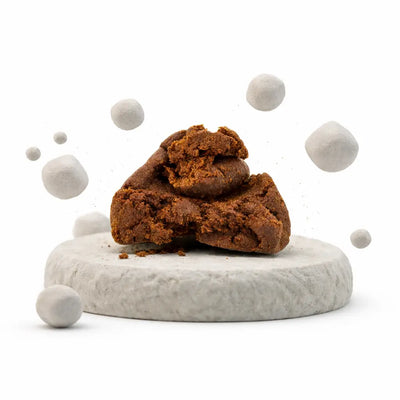
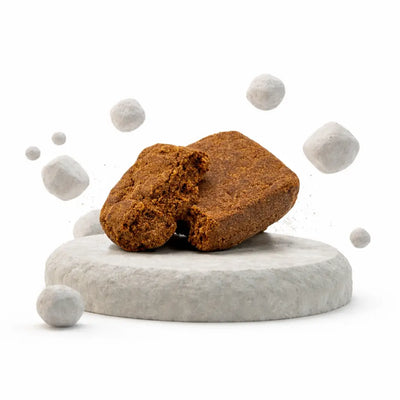
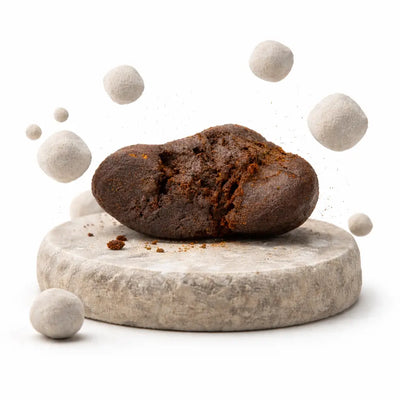
Black Afghan is a traditional hashish name for pressed cannabis resin from Afghanistan. It is usually described as very dark, with a soft, mouldable hash consistency and an earthy, spicy scent. United Nations reports describe Afghan hashish in shades ranging from greenish-brown to dark brown; the colour therefore depends heavily on the starting material and processing. In trade outside Afghanistan, "Black Afghan" is also used for products of very different origins, so the name alone says little about a specific piece.
What Does Black Afghan Mean?
The name "Black Afghan" is made up of two parts: the origin designation Afghanistan and the dark colour of the pressed resin. In Europe it became known especially in the 1960s and 1970s, when travel routes led through Afghanistan and the name entered pop culture. Today the name is more of a generic term for dark, soft hashish than a protected designation of origin.

Besides Black Afghan, there are many other hash varieties with their own origin and production. For CBD hash made from hemp, origin, growing method and the lab certificate for each batch matter most.
Where Does Black Afghan Hash Come From?
The traditional growing region is considered to be mainly the north of Afghanistan around the province of Balkh; according to UNODC, cultivation has since shifted heavily to the south. Farmers in these regions use traditional techniques to extract the resin from the plants and process it into hashish. UNODC surveys also show that processing differs from region to region. United Nations reports document this cultivation as part of international drug control.
Why Is It Called Black Afghan?
The name "Black Afghan" refers to the dark, almost black colour of this hashish, which results from warming and pressing the resin. When warmed and kneaded, the lighter resin powder turns into a dark, cohesive mass. At the same time, the name refers to the Afghan origin. Because the term has taken on a life of its own in common usage, today it is mainly a trade name and not proof of quality.
Black Afghan Hash: Production and Properties
The traditional production of Black Afghan is well documented in UNODC reports. It proceeds in several steps that are also generally found in other sifted hashish types: drying, threshing, sieving, warming and pressing. Differences arise mainly from the number of sieving passes and the way the resin powder is processed.
How Is Black Afghan Made?
After harvest, the cannabis plants are first dried. In Afghanistan, the dried plants are threshed and sieved several times; the resin-rich powder, locally called Garda, is then warmed and pressed by hand. The first sieving passes yield a finer, more resin-rich powder than the later ones. Unlike modern CBD hash production from hemp, which often also uses methods involving ice water or heat and pressure, the traditional method relies mainly on dry sifting and manual labour.
What Properties Does Black Afghan Hashish Have?
Black Afghan is described as soft, supple and easily mouldable. Its dark colour results from warming and pressing the resin. The scent is usually described with earthy, spicy and sweet notes. How much THC or other cannabinoids a piece contains cannot be said without a lab analysis, because starting material and processing vary greatly.
What Does Black Afghan Smell Like?
The smell of Black Afghan is described as intense. It combines earthy aromas with spicy and sweet notes typical of traditionally made hashish. This scent is the result of the cannabis plant's unique terpene profiles and the processing of the resin. Terpenes change during warming and storage, which is why freshly pressed resin smells different from older resin.
Difference from Other Hash Varieties:
Black Afghan differs mainly through its soft consistency and dark colour from other hash types, such as the lighter, more crumbly Moroccan hashish. Besides manual labour, UNODC also describes mechanical processing in Afghanistan, where the resin powder is warmed in kneading machines and processed into a dark paste. So the idea of Afghan hash being exclusively handmade is not correct.
Difference from CBD Hash:
CBD hash is made from hemp whose varieties are listed in the EU variety catalogue and which contains a maximum of 0.3 percent THC. Origin, growing method and cannabinoid content are traceable for CBD hash via a lab certificate for every batch. Black Afghan, on the other hand, is THC-containing hashish; its trade is prohibited in Germany.
Continue reading in the hash silo: recognising the best CBD hash.
The Role of Black Afghan in International Trade
Black Afghan is not only a term with cultural significance, but also the subject of international drug control. The United Nations has recorded cannabis cultivation in Afghanistan in its own surveys for years, because the country is among the most important countries of origin for hashish. The trade in THC-containing hashish is largely prohibited internationally.
Why the Name Is Still Known Today:
The fact that Black Afghan is still known today is mainly due to its role in the pop culture of the 1960s and 1970s and the long tradition of hashish production in the region. This turned the name into a fixed term, which is often also used for products that have nothing to do with Afghanistan.
How Do You Recognise Genuine Black Afghan Hash?
A reliable origin check is not possible without a lab analysis and an unbroken supply chain. Colour, consistency and smell say little, because they change with storage and processing and can easily be imitated. In Germany, THC-containing hashish is only permitted within the narrow framework of the Consumer Cannabis Act, for example when passed on within cultivation associations, as described in the article on cannabis social clubs. Buying it commercially is not permitted.
For CBD hash, the opposite applies: here quality can be assessed using verifiable information, namely a lab certificate, THC value, origin and growing method. These are exactly the criteria that legal CBD hash made from hemp must be measured against.
Note: This article describes the origin, production and properties of a traditional hashish variety. It contains no statements about effects, consumption or dosage; a factual account of CBD hash effects can be found in its own article. CBD hash is sold only to adults aged 18 and over. As of: September 2026.


